Asbestos Removal vs Asbestos Abatement: What’s the Difference?
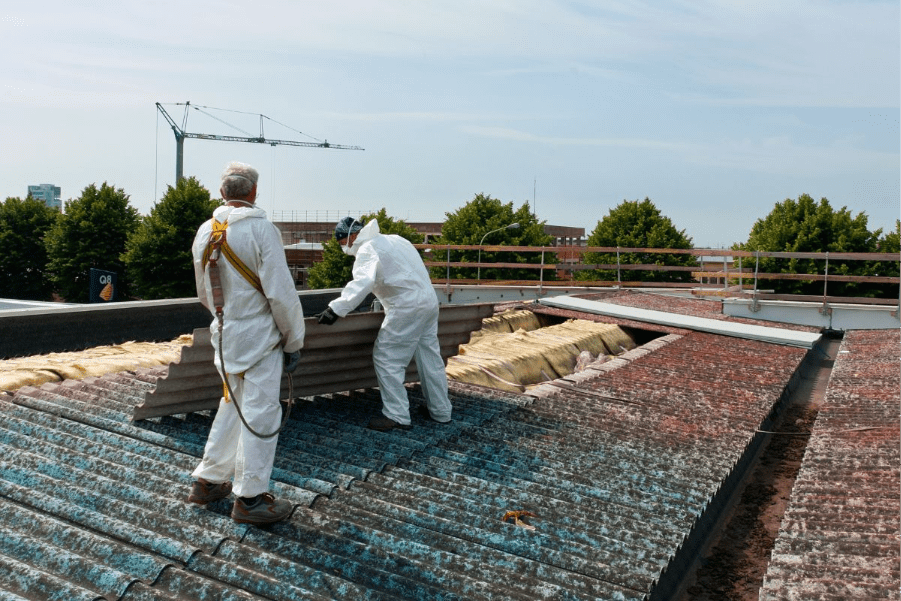
Understanding hazardous materials in buildings is essential for maintaining safe living and working environments. At A-Best Abatement Inc, we often hear questions about the difference between asbestos removal and asbestos abatement. While these terms are commonly used interchangeably, they refer to different processes and approaches to managing asbestos risks.
In this guide, we will break down the key differences, explain when each method is appropriate, and help you understand the role of professional asbestos contractors in ensuring safety and compliance.
What Is Asbestos and Why Is It Dangerous?
Before exploring asbestos removal and asbestos abatement, it is important to understand what asbestos is and why it poses a risk.
In this section, we will cover the basics of asbestos and its impact on health.
Common Uses of Asbestos in Buildings
Asbestos was widely used in construction materials due to its durability and heat resistance. It can still be found in many older buildings.
Common locations include:
- Insulation materials
- Roofing and siding
- Floor tiles and adhesives
- Pipe insulation
These materials may appear harmless when intact, but they can become dangerous when disturbed.
Health Risks Associated with Asbestos Exposure
When asbestos fibers become airborne and are inhaled, they can cause serious health conditions.
These include:
- Lung diseases such as asbestosis
- Mesothelioma
- Lung cancer
Because of these risks, proper asbestos safety measures are essential during any renovation or demolition work.
Asbestos Removal vs Asbestos Abatement: Key Differences
Although both processes aim to reduce asbestos’ hazards, they are not the same. Below, we explain how they differ in purpose and execution.
What Is Asbestos Removal?
Asbestos removal involves eliminating asbestos-containing materials from a property.
This process is typically recommended when materials are damaged, deteriorating, or likely to be disturbed. Removal requires specialized equipment and trained asbestos contractors to ensure fibers are not released into the air.
Asbestos removal services often include:
- Inspection and testing
- Safe removal procedures
- Proper disposal of hazardous materials
This method provides a permanent solution but may require more time and cost.
What Is Asbestos Abatement?
Asbestos abatement refers to managing asbestos without necessarily removing it entirely.
It focuses on reducing the risk of exposure through methods such as:
- Encapsulation (sealing the material)
- Enclosure (covering asbestos materials)
- Ongoing monitoring
Abatement is often used when asbestos is in good condition and unlikely to be disturbed.
Comparison Table: Removal vs Abatement
To better understand the differences, here is a simple comparison:
| Feature | Asbestos Removal | Asbestos Abatement |
| Purpose | Complete elimination | Risk management |
| Cost | Higher upfront | Lower initially |
| Permanence | Permanent solution | Temporary or controlled |
| Use Case | Damaged materials | Stable materials |
| Risk Level | Eliminates risk | Reduces risk |
This table highlights how each approach serves different needs depending on the condition of the material.
When Should We Choose Asbestos Removal?
Choosing the right approach depends on the condition of the asbestos and future plans for the property.
Below, we explore scenarios where removal is the better option.
Situations That Require Full Removal
Asbestos removal is recommended when materials are no longer safe to remain in place.
Examples include:
- Renovation or demolition projects
- Visible damage or deterioration
- High-risk exposure areas
In these cases, complete removal ensures long-term safety and compliance with regulations.
Benefits of Asbestos Removal
Some key advantages include:
- Eliminates health risks permanently
- Increases property value
- Reduces future liability
While the process may be more complex, it provides peace of mind for homeowners and property managers.
When Is Asbestos Abatement the Better Choice?
In some situations, removal is not necessary or practical. Abatement offers a safer and more cost-effective alternative.
This section explains when abatement is appropriate.
Conditions Suitable for Abatement
Abatement works best when asbestos-containing materials are stable and undisturbed.
Suitable scenarios include:
- Materials in good condition
- Areas with limited access
- Situations where removal would cause disruption
In these cases, asbestos remediation techniques can effectively manage the risk.
Advantages of Asbestos Abatement
Key benefits include:
- Lower initial cost
- Less disruption to occupants
- Faster implementation
However, ongoing monitoring is essential to ensure continued safety.
Importance of Hiring Professional Asbestos Contractors
Handling asbestos is not a DIY task. Professional expertise is critical to ensure safety and compliance.
Here, we explain why working with qualified contractors is essential.
Safety and Compliance
Certified asbestos contractors follow strict safety guidelines and regulations.
They use specialized equipment and protective gear to minimize exposure risks. Proper containment and disposal methods are also essential to prevent environmental contamination.
Role of Asbestos Removal Services
Professional asbestos removal services provide a comprehensive approach, including:
- Detailed inspections
- Risk assessments
- Safe removal or abatement procedures
This ensures that all work is carried out safely and efficiently.
Asbestos Safety Measures We Should Follow
Even with professional help, understanding basic safety practices is important.
This section outlines key precautions.
Do Not Disturb Suspected Materials
If you suspect the presence of asbestos, it is best to avoid disturbing the material.
Drilling, cutting, or sanding can release harmful fibers into the air.
Schedule Professional Inspection
Always arrange for a professional inspection before starting renovation work.
Early detection helps prevent accidental exposure and ensures proper planning.
Cost Considerations and Long-Term Value
Cost is often a deciding factor when choosing between removal and abatement.
Let’s explore how these options compare financially.
Short-Term vs Long-Term Costs
While asbestos abatement may have a lower upfront cost, it may require ongoing monitoring.
Asbestos removal, on the other hand, involves a higher initial investment but eliminates future risks and maintenance.
Factors That Influence Cost
Several factors affect pricing, including:
- Size of the affected area
- Type of asbestos material
- Accessibility of the location
- Required safety measures
Understanding these factors helps us make informed decisions.
Conclusion
Understanding the difference between asbestos removal and asbestos abatement is essential for making safe and informed decisions. Both methods play an important role in managing asbestos risks, but the right choice depends on the condition of the materials and the specific needs of the property.
At A-Best Abatement Inc, we believe that safety should always come first. Whether we choose complete removal or controlled abatement, working with experienced professionals ensures that asbestos hazards are managed effectively and responsibly.
Contact Us
If you need expert guidance or professional services, Contact Us today to discuss your asbestos concerns and find the right solution for your property.
Frequently Asked Questions
Asbestos removal eliminates the material completely, while asbestos abatement focuses on managing and reducing exposure risk.
Yes, when performed by certified professionals, asbestos abatement safely controls exposure risks.
Removal is recommended when materials are damaged, deteriorating, or likely to be disturbed.
The duration depends on the size and complexity of the project but typically ranges from a few days to several weeks.
Yes, hiring qualified asbestos contractors ensures compliance with safety regulations and proper handling of hazardous materials.