How Demolition and Asbestos Removal Work Together
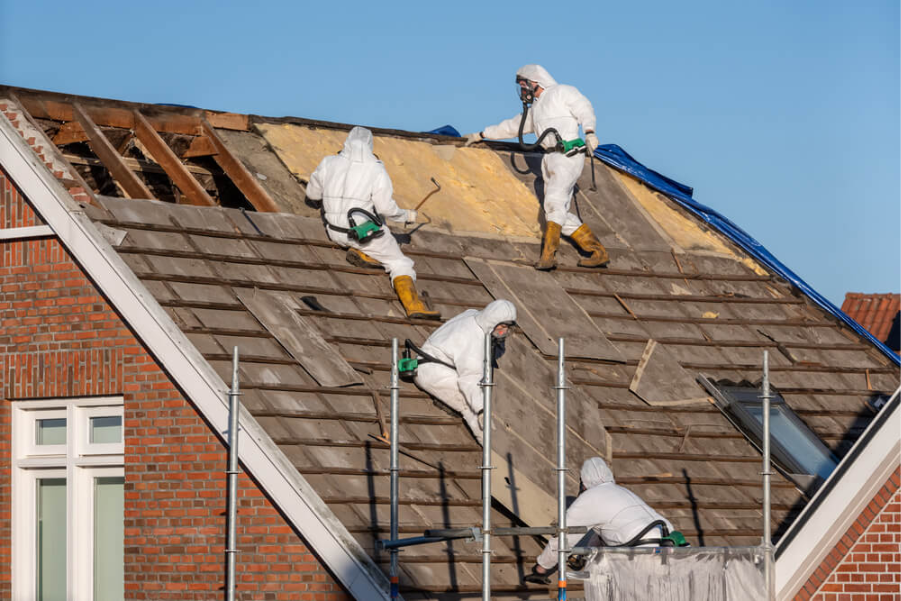
When planning a building project, safety and compliance are essential from the very beginning. At A-Best Abatement Inc, we understand how closely demolition and asbestos removal are connected. Before any structure is taken down, it is critical to identify and manage hazardous materials like asbestos to protect workers, occupants, and the surrounding environment.
In this guide, we explore how demolition and asbestos removal work together, why proper planning matters, and how we can ensure safe and efficient project execution.
Why Demolition and Asbestos Removal Must Be Planned Together
Demolition projects often involve older structures that may contain hazardous materials. In this section, we look at why integrating asbestos removal into demolition planning is essential.
The Risk of Asbestos in Demolition Projects
Many buildings constructed before modern regulations contain asbestos in insulation, roofing, and other materials. During demolition, these materials can be disturbed, releasing dangerous fibers into the air.
This makes asbestos demolition a high-risk activity if not managed properly. Without prior inspection and removal, the demolition process can create serious health hazards for workers and nearby communities.
Legal and Safety Requirements
Regulations require that asbestos be identified and managed before demolition begins. This ensures compliance with safety standards and reduces liability.
Proper planning typically includes:
- Asbestos inspections and testing
- Risk assessments
- Safe removal procedures
By addressing these steps early, we can avoid delays and ensure that demolition proceeds safely.
The Step-by-Step Process of Demolition and Asbestos Removal
Understanding the workflow helps us see how both processes are interconnected. Below is a breakdown of how demolition and asbestos removal are carried out together.
Step 1: Inspection and Asbestos Survey
Before any work begins, a thorough inspection is conducted to identify asbestos-containing materials.
This involves:
- Sampling materials
- Laboratory testing
- Detailed reporting
The survey helps determine whether asbestos remediation or full removal is required before demolition.
Step 2: Asbestos Removal or Remediation
Once asbestos is identified, the next step is to manage it safely.
Depending on the condition of the materials, this may involve:
- Complete removal
- Encapsulation
- Controlled containment
Professional teams follow strict protocols to prevent fiber release and ensure safe disposal.
Step 3: Clearance and Safety Verification
The site must be cleared and inspected to confirm it is safe for after demolition removal.
This includes air quality testing and visual inspections to ensure no hazardous materials remain.
Step 4: Demolition Execution
Once the site is confirmed safe, demolition can proceed without the risk of asbestos exposure.
This integrated approach ensures that both processes support each other effectively.
Key Differences Between Standard Demolition and Asbestos Demolition
Not all demolition projects are the same. When asbestos is involved, additional precautions are required.
Below is a comparison to highlight the differences.
| Aspect | Standard Demolition | Asbestos Demolition |
| Risk Level | Moderate | High |
| Safety Measures | Basic | Advanced containment |
| Inspection Required | General | Detailed asbestos survey |
| Equipment | Standard tools | Specialized protective equipment |
| Timeline | Shorter | Longer due to safety procedures |
This table shows how asbestos demolition requires a more controlled and structured approach.
Safety Measures in Demolition and Asbestos Removal
Safety is the most important aspect of any project involving hazardous materials. In this section, we explore essential safety practices.
Personal Protective Equipment (PPE)
Workers involved in asbestos removal must wear specialized protective gear.
This includes:
- Respirators
- Protective suits
- Gloves and eye protection
These measures reduce the risk of inhaling harmful fibers.
Containment and Air Control
Containment systems are used to prevent asbestos fibers from spreading.
Common methods include:
- Sealed work areas
- Negative air pressure systems
- HEPA filtration
These systems are critical for maintaining safe working conditions.
Proper Waste Disposal
Asbestos waste must be handled and disposed of according to strict regulations.
Improper disposal can lead to environmental contamination and legal penalties.
Benefits of Combining Demolition and Asbestos Removal
Integrating both processes offers several advantages. Let’s explore how this approach improves efficiency and safety.
Improved Project Efficiency
When asbestos removal is planned alongside demolition, the project runs more smoothly.
Benefits include:
- Reduced delays
- Better coordination between teams
- Streamlined workflow
Enhanced Safety Standards
Combining both processes ensures that all risks are addressed before demolition begins.
This reduces exposure risks and protects workers and nearby residents.
Cost Management
Although asbestos removal adds to the initial cost, it prevents unexpected expenses later.
Proper planning helps avoid fines, delays, and additional remediation work.
Common Challenges and How to Overcome Them
Every project comes with challenges, especially when dealing with hazardous materials.
In this section, we discuss common issues and solutions.
Unexpected Asbestos Discovery
Sometimes asbestos is discovered during demolition rather than before.
To manage this:
- Stop work immediately
- Conduct an emergency assessment
- Implement proper asbestos remediation
Project Delays
Delays can occur due to regulatory requirements or safety concerns.
Planning and working with experienced professionals help minimize disruptions.
Role of Professional Contractors in Demolition Safety
Handling demolition and asbestos removal requires expertise and compliance with strict guidelines.
Why Experience Matters
Professional contractors understand the complexities of asbestos demolition and follow industry best practices.
They ensure that all work meets safety and legal requirements.
Choosing the Right Team
When selecting contractors, consider:
- Certifications and licenses
- Experience in asbestos projects
- Commitment to safety standards
Working with qualified professionals ensures the success of the project.
Conclusion
Understanding how demolition and asbestos removal work together is essential for safe and efficient construction projects. By identifying asbestos early, implementing proper removal or remediation, and following strict safety protocols, we can minimize risks and ensure compliance.
At A-Best Abatement Inc, we believe that careful planning and professional expertise are the foundation of successful projects. Integrating asbestos removal with demolition not only protects people but also ensures long-term safety and environmental responsibility.
Contact Us
If you are planning a demolition project and need expert guidance, Contact Us today to discuss your requirements and ensure a safe and compliant process.
Frequently Asked Questions
Asbestos removal prevents harmful fibers from being released during demolition, ensuring safety for workers and the environment.
Asbestos demolition refers to demolition projects that involve the safe handling and removal of asbestos-containing materials.
The timeline depends on the size of the project and the amount of asbestos present, but it typically takes several days to weeks.
No, demolition without proper asbestos removal can pose serious health risks and violate safety regulations.
Certified professionals with experience in asbestos remediation and demolition safety should handle these tasks.