Why Hiring Licensed Asbestos Removal Companies Matters
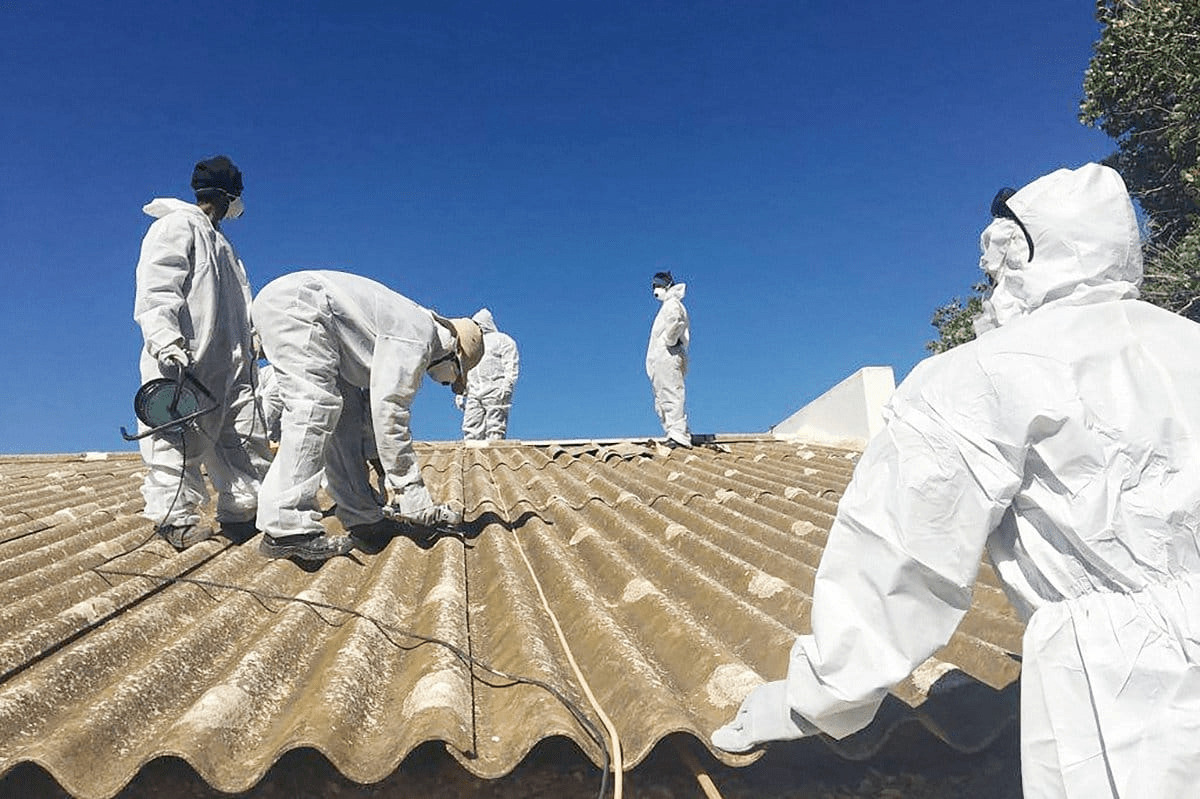
Asbestos was once widely used in residential, commercial, and industrial construction because of its durability and fire-resistant properties. However, decades of research have shown that asbestos exposure can pose serious health risks when fibers become airborne and are inhaled. As a result, proper handling and removal require specialized knowledge, training, and safety procedures.
This is why hiring licensed asbestos removal companies is so important. Professional asbestos removal helps protect occupants, workers, and surrounding communities while ensuring compliance with local regulations. At A-Best Abatement Inc, we understand the importance of safe asbestos management and why working with qualified professionals remains the safest approach for property owners.
Understanding the Risks of Asbestos Exposure
Before discussing the benefits of professional removal, it is important to understand why asbestos requires specialized handling.
When asbestos-containing materials remain undisturbed, they may not present an immediate risk. Problems often arise when materials deteriorate or are disturbed during renovation, demolition, or maintenance activities.
How Asbestos Becomes Hazardous
Asbestos fibers are microscopic and can become airborne when damaged materials are cut, drilled, broken, or removed improperly.
Once released, these fibers can:
- Remain suspended in the air
- Travel through ventilation systems
- Settle on surfaces
- Be inhaled unknowingly
Because the fibers are so small, they are often impossible to detect without specialized testing and monitoring equipment.
Health Concerns Associated With Exposure
Long-term asbestos exposure has been linked to several serious health conditions.
Potential health risks include:
- Asbestosis
- Lung cancer
- Mesothelioma
- Chronic respiratory complications
Many asbestos-related illnesses develop years after exposure, making prevention especially important.
Common Locations Where Asbestos May Be Found
Older properties may contain asbestos in a variety of building materials.
Examples include:
- Insulation products
- Floor tiles
- Ceiling materials
- Roofing products
- Pipe insulation
- Textured coatings
Identifying these materials often requires professional inspection and testing before any work begins.
Why Licensed Asbestos Removal Companies Are Essential
Removing asbestos is not the same as general construction or demolition work. It requires strict safety protocols and specialized expertise.
The following sections explain why licensed professionals play such a critical role.
Specialized Training and Certification
Licensed asbestos professionals undergo extensive training to understand proper containment, removal, transportation, and disposal procedures.
Their training typically covers:
- Hazard identification
- Personal protective equipment
- Containment methods
- Air monitoring procedures
- Emergency response protocols
This knowledge helps reduce exposure risks throughout the removal process.
Compliance With Regulatory Requirements
Federal, state, and local regulations often govern asbestos-related work.
Licensed asbestos removal companies understand these requirements and help ensure projects remain compliant.
Compliance may involve:
- Worksite preparation
- Documentation requirements
- Air quality testing
- Waste transportation procedures
- Approved disposal practices
Failure to comply with regulations can result in fines, delays, and potential liability concerns.
Reduced Risk of Contamination
Improper asbestos removal can spread fibers throughout a property.
Professional removal teams implement containment systems designed to minimize contamination risks.
Common measures include:
- Sealed work areas
- Negative air pressure systems
- Specialized filtration equipment
- Controlled removal procedures
These safeguards help protect both workers and building occupants.
The Difference Between Licensed and Unlicensed Removal Services
Not all contractors possess the qualifications required for asbestos-related work.
Understanding the differences can help property owners make informed decisions.
Experience With Hazardous Materials
Licensed professionals routinely handle hazardous materials and understand the complexities involved.
Their experience allows them to:
- Identify potential risks
- Develop removal plans
- Follow industry best practices
- Respond to unexpected challenges
This expertise contributes to safer project outcomes.
Access to Proper Equipment
Asbestos removal requires specialized equipment that may not be available to general contractors.
Examples include:
- HEPA filtration systems
- Protective suits
- Respirators
- Air monitoring devices
- Containment materials
The proper use of this equipment is essential for maintaining a safe environment.
Insurance and Accountability
Licensed contractors often carry insurance coverage that supports both workers and clients.
Benefits may include:
- Greater project accountability
- Enhanced protection against liability
- Compliance with industry requirements
- Professional documentation
These factors provide additional confidence during asbestos-related projects.
The Role of Asbestos Abatement Professionals
Asbestos removal is only one component of a broader asbestos management strategy.
Qualified asbestos abatement professionals help oversee the entire process from assessment to final clearance.
Inspection and Material Assessment
Before removal begins, professionals conduct thorough evaluations to determine the presence and condition of asbestos-containing materials.
This process may involve:
- Visual inspections
- Sample collection
- Laboratory analysis
- Risk assessments
Accurate identification helps guide appropriate removal strategies.
Containment and Removal Planning
Every asbestos project requires a customized approach based on the property’s layout and condition.
Planning considerations often include:
- Occupancy status
- Material location
- Accessibility
- Ventilation systems
- Safety requirements
Detailed planning helps minimize disruption while maintaining safety standards.
Clearance Testing and Verification
Following removal, additional testing may be performed to verify that asbestos fibers have been properly addressed.
This final step helps ensure:
- Regulatory compliance
- Safe occupancy
- Successful project completion
- Peace of mind for property owners
Comparing Professional and DIY Asbestos Removal
The table below highlights key differences between professional and unqualified removal efforts.
| Factor | Licensed Professionals | DIY Removal |
|---|---|---|
| Safety Training | Extensive | Limited |
| Regulatory Compliance | Yes | Often No |
| Specialized Equipment | Yes | Rarely |
| Air Monitoring | Yes | Limited |
| Containment Procedures | Professional | Inconsistent |
| Disposal Compliance | Yes | Often Difficult |
| Exposure Risk | Reduced | Increased |
The comparison clearly demonstrates why professional expertise is critical when handling hazardous materials.
Importance of Proper Asbestos Disposal
Safe removal is only part of the process. Proper asbestos disposal remains equally important.
Improper disposal can create environmental and public health concerns.
Preventing Environmental Contamination
Asbestos waste must be carefully packaged, labeled, transported, and disposed of according to applicable regulations.
Proper procedures help prevent:
- Soil contamination
- Airborne fiber release
- Community exposure
- Illegal dumping issues
Responsible disposal protects both people and the environment.
Meeting Legal Requirements
Many jurisdictions have strict rules governing asbestos disposal.
Licensed professionals understand:
- Approved disposal facilities
- Transportation regulations
- Documentation requirements
- Waste tracking procedures
Following these requirements helps avoid legal complications.
Choosing the Right Asbestos Removal Contractors
Selecting the right contractor is an important step in any asbestos project.
Property owners should evaluate qualifications, experience, and safety practices before making a decision.
Verify Licensing and Credentials
Always confirm that contractors possess appropriate licensing and certifications.
Key considerations include:
- Current licenses
- Regulatory compliance records
- Training certifications
- Industry experience
Verification helps ensure professional standards are maintained.
Ask About Safety Procedures
Reliable contractors should be able to explain their safety processes clearly.
Topics worth discussing include:
- Containment methods
- Protective equipment
- Air monitoring
- Disposal procedures
Transparency often reflects professionalism and preparedness.
Review Project Experience
Previous experience handling similar projects can provide valuable insight.
Experienced asbestos removal contractors are often better equipped to manage complex situations while maintaining safety and efficiency.
Conclusion
Hiring licensed asbestos removal companies is one of the most important steps property owners can take when dealing with asbestos-containing materials. From regulatory compliance and contamination control to proper asbestos disposal and air quality protection, qualified professionals provide expertise that helps safeguard people and property.
At A-Best Abatement Inc, we recognize the importance of safe asbestos management and the role that trained specialists play in protecting public health. Whether a project involves inspections, removal, containment, or asbestos cleanup services, working with licensed professionals helps ensure the process is completed responsibly and safely.
Contact Us
For more information about asbestos management and removal solutions, visit our Contact Us page.
Frequently Asked Questions
Licensed asbestos removal companies have the training, equipment, and certifications required to safely manage asbestos-containing materials while following regulatory requirements.
Asbestos removal contractors inspect, contain, remove, transport, and coordinate proper asbestos disposal according to applicable regulations.
Requirements vary by jurisdiction, but professional involvement is strongly recommended whenever asbestos-containing materials may be disturbed.
Asbestos cleanup services use containment systems, specialized equipment, and air monitoring procedures to reduce exposure risks during removal activities.
After removal, asbestos materials are packaged, transported, and handled through approved asbestos disposal processes designed to protect public health and the environment.