Vermiculite Insulation Asbestos Removal: Safe Cleanup Process
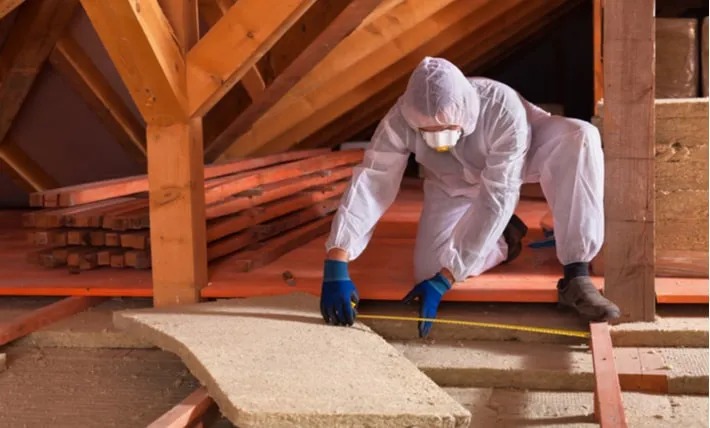
Many older homes across the United States contain vermiculite insulation, particularly in attics and wall cavities. While vermiculite itself is not always hazardous, some products were contaminated with asbestos during mining and processing. As a result, homeowners often face concerns about potential exposure when renovating, maintaining, or purchasing older properties.
Understanding the proper approach to vermiculite insulation asbestos removal is essential for protecting occupants and maintaining a safe living environment. At A-Best Abatement Inc, we recognize the importance of following safe procedures whenever suspected asbestos-containing materials are present. Knowing how vermiculite is identified, tested, contained, and removed can help property owners make informed decisions about asbestos remediation.
What Is Vermiculite Insulation?
Before discussing removal procedures, it is important to understand what vermiculite insulation is and why it may pose concerns.
Vermiculite was widely used as insulation due to its lightweight structure, fire resistance, and thermal performance.
Understanding Vermiculite Materials
Vermiculite is a naturally occurring mineral that expands when heated. Once processed, it forms lightweight granules commonly used for insulation.
Characteristics often include:
- Pebble-like appearance
- Silver, gold, or gray coloring
- Lightweight composition
- Excellent thermal properties
For many years, vermiculite insulation was installed in attics and wall spaces throughout residential construction.
Why Some Vermiculite Contains Asbestos
Certain vermiculite products originated from mines where asbestos contamination occurred naturally.
Because asbestos fibers could mix with vermiculite during extraction and processing, some insulation products may contain hazardous materials.
Important considerations include:
- Age of the home
- Source of insulation materials
- Location of installation
- Results of laboratory testing
Visual inspection alone cannot determine whether asbestos is present.
Common Areas Where Vermiculite Is Found
Vermiculite insulation is most commonly discovered during renovations or home inspections.
Typical locations include:
- Attics
- Wall cavities
- Ceiling spaces
- Floor insulation systems
These hidden locations often require professional assessment before any disturbance occurs.
Why Vermiculite Insulation Asbestos Removal Requires Special Care
Materials containing Asbestos can become dangerous when disturbed. This is one of the primary reasons why vermiculite insulation asbestos removal requires careful planning and specialized handling procedures.
Even routine maintenance activities can create exposure risks if contaminated insulation is present. Understanding the importance of vermiculite insulation asbestos removal helps property owners reduce potential exposure and maintain a safer indoor environment.
Disturbing Insulation Can Release Fibers
When vermiculite insulation is moved, compressed, vacuumed, or removed improperly, microscopic asbestos fibers may become airborne.
Potential exposure situations include:
- Remodeling projects
- Electrical work
- HVAC installation
- Attic storage access
Airborne fibers can remain suspended for extended periods and spread throughout a property.
Exposure Risks for Occupants
Asbestos exposure is primarily associated with inhalation of airborne fibers.
Possible risks may affect:
- Homeowners
- Family members
- Contractors
- Maintenance personnel
Reducing unnecessary disturbance is an important part of protecting indoor air quality.
Contamination Beyond the Attic
One common misconception is that contamination remains isolated within attic spaces.
In reality, fibers may travel through:
- Air ducts
- Ventilation systems
- Ceiling openings
- Construction gaps
This highlights the importance of comprehensive containment procedures during removal projects.
Identifying Suspected Asbestos Attic Insulation
Many homeowners discover insulation during inspections but are unsure whether it contains asbestos.
The following steps help determine the appropriate course of action.
Visual Indicators
Although laboratory testing is required for confirmation, vermiculite insulation often has a distinctive appearance.
Possible indicators include:
- Loose-fill granules
- Shiny particles
- Pebble-like texture
- Gray or brown coloration
However, appearance alone should never be used to confirm safety.
Professional Sampling and Testing
Testing remains the most reliable method for determining asbestos content.
The process may involve:
- Controlled sample collection
- Laboratory analysis
- Material identification
- Risk assessment
Professional testing minimizes the chance of accidental fiber release.
Avoiding DIY Inspection Mistakes
Attempting to collect samples without proper precautions can create unnecessary risks.
Homeowners should avoid:
- Sweeping insulation
- Vacuuming attic materials
- Moving insulation piles
- Collecting samples without protection
Professional evaluation is typically the safest option.
The Safe Vermiculite Cleanup Process
A structured cleanup process helps reduce exposure risks and supports successful asbestos remediation.
Every project should follow established safety protocols.
Initial Site Assessment
The first step involves evaluating the property and determining the scope of contamination.
Assessment activities often include:
- Property inspection
- Material testing
- Risk evaluation
- Project planning
Accurate planning creates a foundation for safe removal procedures.
Containment Setup
Containment helps prevent asbestos fibers from spreading beyond the work area.
Protective measures may include:
- Plastic barriers
- Sealed entry points
- Negative air systems
- Warning signage
Effective containment is one of the most important stages of the project.
Controlled Material Removal
Once containment is established, trained professionals carefully remove insulation using specialized equipment and procedures.
Removal objectives include:
- Minimizing dust generation
- Preventing fiber release
- Protecting surrounding areas
- Supporting safe waste handling
This stage requires strict attention to detail and safety protocols.
Comparing Professional Removal Stages
The table below outlines the typical stages involved in vermiculite insulation asbestos removal.
| Removal Stage | Purpose |
|---|---|
| Inspection | Identify materials and risks |
| Testing | Confirm asbestos presence |
| Planning | Develop removal strategy |
| Containment | Prevent contamination spread |
| Removal | Safely extract insulation |
| Cleanup | Eliminate residual debris |
| Air Verification | Confirm safe conditions |
| Disposal | Transport waste properly |
Each phase contributes to reducing exposure risks and supporting successful project completion.
The Role of Asbestos Remediation
Removal alone does not always address every concern. Asbestos remediation often involves additional protective measures.
The goal is to restore safe conditions within the property.
Decontamination Procedures
After insulation removal, surfaces may require specialized cleaning.
Common methods include:
- HEPA vacuuming
- Surface wiping
- Dust removal
- Equipment decontamination
Thorough cleaning helps reduce residual contamination.
Air Quality Verification
Air monitoring is often conducted following removal and cleanup activities.
Benefits include:
- Confirming project effectiveness
- Supporting regulatory compliance
- Providing occupant reassurance
- Identifying remaining concerns
Verification helps ensure the environment is suitable for occupancy.
Restoring the Space
Once remediation is complete, the affected area may be prepared for future insulation installation.
Restoration activities may include:
- Surface repairs
- Insulation replacement
- Ventilation improvements
- Energy-efficiency upgrades
This final stage helps return the property to normal use.
Proper Handling and Asbestos Disposal
Safe waste management is a critical component of asbestos-related projects.
Improper disposal can create environmental and public health risks.
Packaging Requirements
Contaminated materials must be packaged according to established guidelines.
This typically involves:
- Sealed containers
- Durable packaging materials
- Proper labeling
- Controlled handling procedures
Secure packaging helps prevent accidental release during transportation.
Transportation Considerations
Asbestos-containing waste requires careful transport to approved disposal facilities.
Important factors include:
- Regulatory compliance
- Documentation requirements
- Approved transportation methods
- Waste tracking procedures
These measures support accountability throughout the disposal process.
Environmental Protection
Responsible asbestos disposal helps protect surrounding communities and natural resources.
Benefits include:
- Reduced contamination risks
- Improved public safety
- Environmental compliance
- Long-term health protection
Proper disposal remains essential even after removal activities are completed.
Preventing Future Asbestos Exposure
After remediation is completed, homeowners can take steps to reduce future concerns.
Ongoing awareness helps maintain a safe property environment.
Schedule Regular Inspections
Periodic inspections can identify potential issues before they become larger concerns.
Areas worth monitoring include:
- Attics
- Utility spaces
- Renovation zones
- Older building materials
Early detection supports proactive management.
Plan Renovations Carefully
Before beginning renovation work, homeowners should evaluate the presence of older insulation materials.
Professional assessments help:
- Prevent accidental disturbance
- Reduce project delays
- Improve safety planning
- Support compliance efforts
Preparation is often the most effective form of prevention.
Conclusion
Proper vermiculite insulation asbestos removal plays an important role in protecting occupants from potential asbestos exposure. From testing and containment to vermiculite cleanup, asbestos remediation, and proper disposal, every stage requires careful planning and specialized expertise.
At A-Best Abatement Inc, we understand the challenges associated with asbestos attic insulation and contaminated vermiculite materials. By following established safety procedures and prioritizing responsible remediation practices, property owners can create healthier indoor environments while reducing long-term risks.
Contact Us
For more information about vermiculite insulation asbestos removal and remediation services, visit our Contact Us page.
Frequently Asked Questions
Vermiculite insulation asbestos removal is the process of safely identifying, containing, removing, and disposing of vermiculite insulation that may contain asbestos fibers.
No. However, some vermiculite products were contaminated during mining operations, which is why professional testing is recommended.
Asbestos attic insulation may pose risks if disturbed and fibers become airborne. Undisturbed materials may present lower risks, but professional evaluation is recommended.
Asbestos remediation may include testing, containment, removal, cleaning, air verification, and proper asbestos disposal.
Because of potential asbestos contamination, professional assessment and removal are generally recommended to reduce exposure risks and ensure safe handling procedures.