What Should You Do After Mold Is Discovered in a Home Inspection?
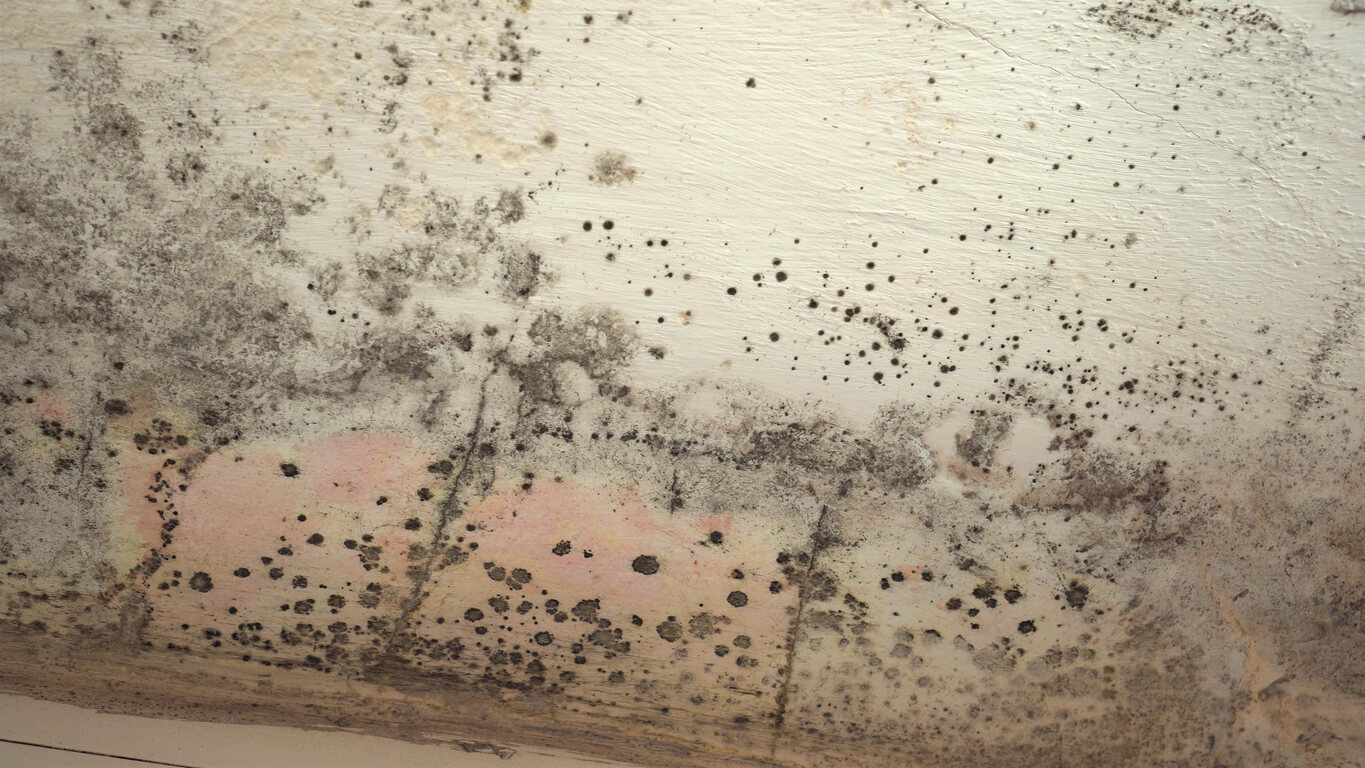
Discovering mold during a home inspection can feel stressful for homeowners, buyers, and sellers alike. Mold issues may affect property value, indoor comfort, and even the overall condition of the home if left untreated. The good news is that identifying mold early gives us the opportunity to address the issue before it becomes more serious. Working with a professional mold removal service helps ensure the problem is handled correctly and safely.
At A-Best Abatement Inc, we understand how overwhelming mold discoveries can be during a property transaction or routine inspection. Knowing what steps to take next can help protect your home, your investment, and your indoor air quality.
Why Mold Is Commonly Found During Home Inspections
Home inspections are designed to uncover hidden issues that may not be visible during a walkthrough. Mold is one of the most common findings because it often grows in damp, poorly ventilated, or hidden areas of a property.
A mold inspection may reveal growth in:
- Basements
- Crawl spaces
- Bathrooms
- Attics
- Around plumbing leaks
- Behind drywall
- Under flooring
Moisture problems are usually the root cause. Even a small water leak can create the right environment for mold growth within 24 to 48 hours.
How Mold Affects a Property
Mold can impact more than just appearance. If not addressed properly, it may lead to structural damage and poor indoor air quality. Certain types of mold can also spread quickly throughout the home.
Common property concerns include:
| Mold Issue | Potential Impact |
|---|---|
| Hidden moisture | Damage to walls and flooring |
| Musty odors | Reduced indoor comfort |
| Airborne spores | Poor indoor air quality |
| Long-term growth | Expensive repairs |
| Water damage | Structural deterioration |
Why Immediate Action Matters
Waiting too long after discovering mold can make the issue worse. Mold colonies continue growing as long as moisture remains present. Acting quickly helps minimize cleanup costs and limits additional damage.
Professional mold treatment solutions can identify the moisture source while safely removing contaminated materials. This step is essential for preventing recurring mold growth.
Step 1: Review the Inspection Report Carefully
After mold is discovered, the first step is reviewing the inspection findings in detail. Inspection reports typically explain where mold was found, the severity of the issue, and whether additional testing is recommended.
This stage helps us understand whether the problem is isolated or widespread throughout the home.
Understand the Type of Mold Issue
Not all mold problems are equal. Some inspections reveal minor surface growth, while others uncover major contamination behind walls or in HVAC systems.
The report may mention:
- Visible mold growth
- Moisture intrusion
- Water damage history
- Elevated humidity levels
- Suspected hidden mold
Understanding the extent of the issue helps determine the next steps.
Ask Questions About Moisture Sources
Mold usually points to an underlying moisture problem. During this stage, it is important to identify what caused the growth.
Potential moisture sources include:
- Roof leaks
- Plumbing issues
- Foundation cracks
- Condensation buildup
- Flood damage
- Poor ventilation
Addressing moisture is critical because mold will likely return if water issues are not resolved.
Step 2: Schedule a Professional Mold Assessment
A professional evaluation provides a more detailed understanding of the mold issue. Many homeowners choose to work with specialists who can perform advanced testing and determine the safest remediation approach.
Companies offering mold remediation services often use specialized equipment to detect hidden contamination and moisture.
What Happens During a Mold Assessment
Professional assessments may include:
- Moisture mapping
- Air quality testing
- Surface sampling
- Thermal imaging
- Containment planning
These tools help identify affected areas that may not be visible during a standard inspection.
Why DIY Testing Is Often Inaccurate
Store-bought mold tests can sometimes create confusion because mold spores naturally exist in most environments. Professional testing provides more reliable information and helps determine whether remediation is truly needed.
Experts can also distinguish between harmless surface mildew and larger contamination concerns that require professional cleanup.
Step 3: Hire a Trusted Mold Removal Service
Once the scope of the issue is clear, the next step is hiring a qualified mold removal service. Proper remediation involves more than simply cleaning visible spots. The process should remove contamination safely while preventing spores from spreading to other areas of the property.
Professional remediation companies follow industry standards for containment, removal, cleaning, and restoration.
What Professional Mold Remediation Includes
A thorough mold remediation process often includes:
- Containment of affected areas
- Air filtration and ventilation control
- Removal of contaminated materials
- Deep cleaning and sanitization
- Moisture correction
- Restoration of damaged surfaces
Professional equipment helps reduce airborne spores during the cleanup process.
Signs of a Reliable Mold Removal Company
When choosing a provider, look for:
- Licensed and insured professionals
- Clear inspection reports
- Experience with mold damage restoration
- Transparent pricing
- Positive customer reviews
- Detailed remediation plans
Working with experienced professionals helps ensure the issue is resolved properly the first time.
Step 4: Address Repairs and Moisture Prevention
Removing mold is only one part of the process. Long-term prevention requires correcting the conditions that allowed mold growth in the first place.
Moisture management is the foundation of preventing future contamination.
Common Repairs After Mold Removal
Depending on the extent of damage, repairs may include:
- Replacing drywall
- Installing new insulation
- Repairing plumbing
- Fixing roof leaks
- Improving drainage
- Sealing foundation cracks
Some homes may also require flooring replacement or repainting after remediation is complete.
Improve Ventilation and Airflow
Poor airflow often contributes to moisture buildup indoors. Improving ventilation can significantly reduce the chance of future mold growth.
Helpful prevention measures include:
- Using bathroom exhaust fans
- Running dehumidifiers
- Improving attic ventilation
- Opening windows when possible
- Maintaining HVAC systems
Indoor humidity should ideally remain below 50 percent.
Step 5: Understand How Mold Can Affect Real Estate Transactions
Mold discoveries can impact both buyers and sellers during real estate transactions. However, finding mold does not necessarily mean the sale cannot proceed.
Understanding how remediation affects negotiations can help both parties move forward more confidently.
For Home Buyers
Buyers should avoid panicking after a mold finding. Instead, focus on gathering information about the severity of the issue and the estimated remediation cost.
Buyers may:
- Request remediation before closing
- Negotiate repair credits
- Request additional inspections
- Ask for documentation of completed cleanup
Professional remediation documentation can help reassure lenders and insurance providers.
For Home Sellers
Sellers benefit from addressing mold issues quickly and transparently. Delaying remediation may create larger problems during negotiations or future inspections.
Completing professional cleanup before listing can:
- Improve buyer confidence
- Prevent delays
- Support property value
- Reduce liability concerns
Keeping records of all remediation work is highly recommended.
How Mold Impacts Indoor Air Quality
Indoor air quality is one of the biggest concerns associated with mold growth. Airborne spores can circulate through the property, especially when mold spreads into ventilation systems or hidden wall cavities.
Maintaining healthy indoor environments starts with moisture control and prompt remediation.
Signs Mold May Be Affecting Indoor Air
Some common warning signs include:
- Persistent musty odors
- Excessive humidity
- Visible condensation
- Stale indoor air
- Worsening allergy symptoms
Poor ventilation often increases these problems over time.
The Importance of Professional Cleanup
Professional home mold cleanup helps reduce contamination while preventing spores from spreading during removal. Improper DIY cleanup methods can accidentally disturb mold colonies and release more spores into the air.
This is why professional containment and filtration systems are so important during remediation projects.
Preventing Mold Problems in the Future
After remediation is complete, prevention becomes the priority. Small maintenance habits can help reduce future moisture problems and protect indoor spaces.
Consistent inspections and moisture management are essential for long-term prevention.
Simple Mold Prevention Tips
Homeowners can reduce risk by:
- Fixing leaks quickly
- Monitoring humidity levels
- Cleaning gutters regularly
- Inspecting basements and attics
- Servicing HVAC systems
- Drying wet materials immediately
Routine maintenance often prevents costly remediation later.
Schedule Regular Property Inspections
Regular inspections help identify early warning signs before major mold growth occurs. Professional inspections are especially helpful after storms, flooding, or plumbing leaks.
Many homeowners schedule periodic evaluations to protect indoor air quality and avoid expensive repairs.
Conclusion
Discovering mold during a home inspection can feel overwhelming, but taking quick and informed action makes a major difference. Reviewing the inspection report, identifying moisture sources, and working with a professional mold removal service are important steps toward protecting your property and indoor environment.
At A-Best Abatement Inc, we believe homeowners deserve clear guidance and effective solutions when dealing with mold concerns. Professional remediation, proper repairs, and long-term moisture prevention can help restore confidence in your home while reducing future risks.
Contact Us
If you need expert help with mold inspection, remediation, or indoor air quality concerns, visit our Contact Us page to speak with our team and learn more about available solutions.
Frequently Asked Questions
It is best to act as soon as possible. Mold can spread rapidly when moisture remains present, which may increase repair costs over time.
A professional mold removal service can safely remove active mold growth and address moisture sources to reduce the risk of recurrence.
Not all mold is highly dangerous, but any mold growth may affect indoor air quality and damage building materials if ignored.
Many homes with mold issues can still be good investments if professional mold remediation is completed properly and moisture problems are corrected.
Preventative maintenance includes controlling humidity, fixing leaks promptly, improving ventilation, and scheduling regular property inspections.