How to Get Rid of Mold Permanently: Expert Tips for a Healthier Home
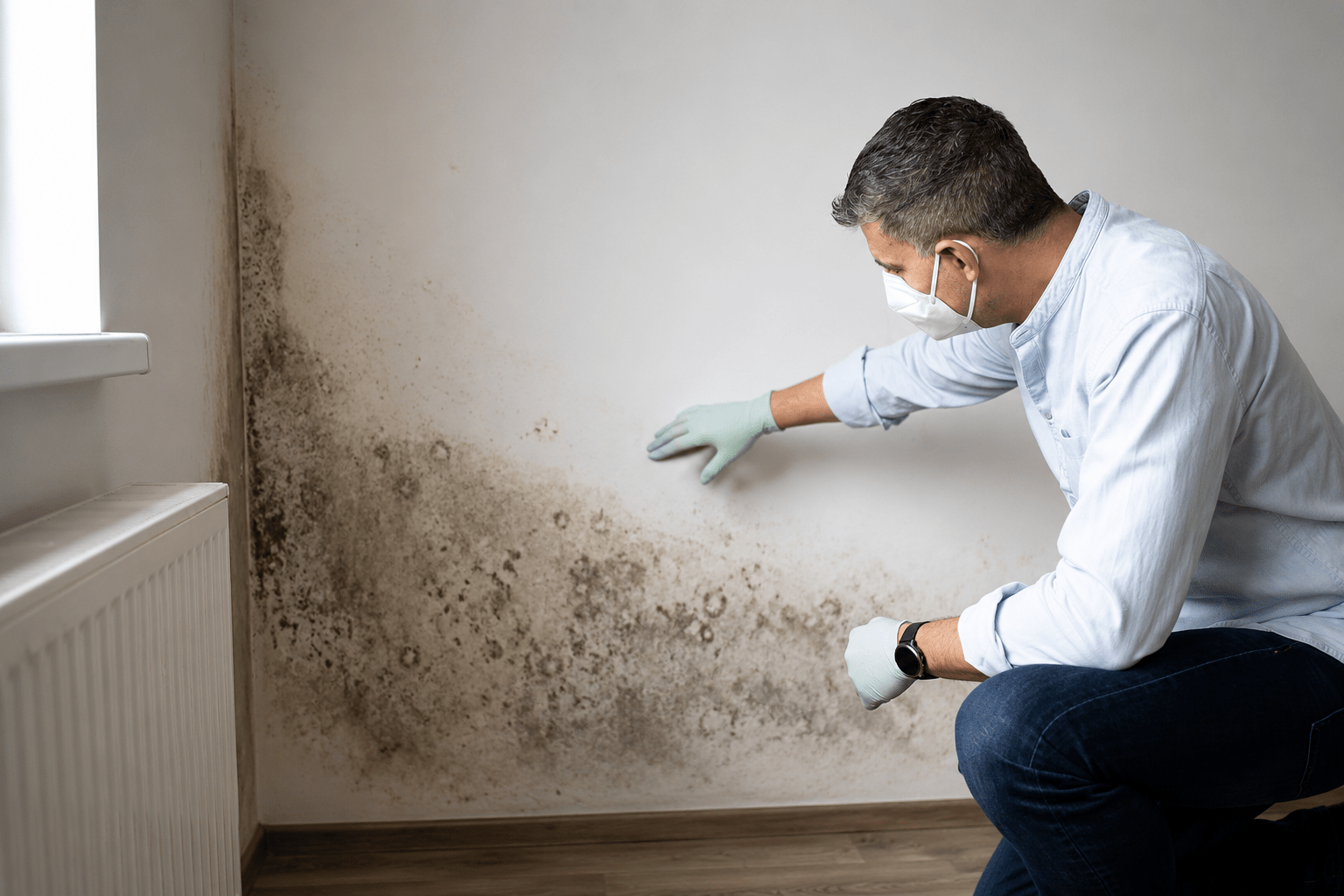
How to get rid of mold is a question many homeowners ask after finding signs of indoor mold in their property. Mold can spread quickly when moisture is left untreated, leading to damage, unpleasant odors, and poor indoor air quality. The good news is that with the right mold removal methods and proper moisture control, you can stop mold from returning and keep your property safe.
At A-Best Abatement, we provide complete mold remediation services that go beyond surface cleaning. Our trained professionals perform detailed mold inspections, identify hidden moisture problems, safely remove mold using industry-approved methods, and restore affected areas to create a healthier indoor environment. Whether your property has mold caused by water damage, leaks, or high humidity, our team delivers reliable, long-lasting solutions that help protect your home, your family, and your investment.
Key Takeaways
- Mold grows where moisture is present.
- Early action helps reduce repair costs.
- Mold removal and mold remediation are different processes.
- Moisture control is the best way to prevent mold.
- Professional inspections help find hidden mold.
What Is Mold and Why Does It Grow?
Mold is a natural fungus that grows in damp environments. It spreads through tiny airborne spores that settle on wet surfaces and begin growing when moisture is available. Mold can develop within 24 to 48 hours after a water leak or flood. It commonly appears in bathrooms, basements, attics, kitchens, and crawl spaces because these areas often have higher humidity or poor ventilation.
Common causes of mold growth include:
- Water leaks
- High humidity
- Flood damage
- Poor ventilation
Understanding how mold develops helps property owners take the right steps to prevent future problems.
Signs You May Have Indoor Mold
Mold is not always visible. It can grow behind drywall, beneath flooring, or inside ceilings before becoming noticeable. In many cases, a musty smell is the first warning sign. Finding mold early makes cleanup easier and helps prevent further damage.
Look for these common signs:
- Musty odors
- Water stains
- Peeling paint
- Dark or fuzzy patches on surfaces
If mold is discovered, it is important to identify and repair the moisture source before cleaning the affected area.
How to Get Rid of Mold Safely
Learning how to get rid of mold begins with understanding how serious the problem is. Small mold spots on hard surfaces may sometimes be cleaned safely, while larger infestations often require professional equipment and containment. Attempting to remove extensive mold without proper protection can spread spores throughout the property.
For small mold problems, wear protective gear, clean the affected surface, and dry the area completely afterward. If mold continues to return or covers a large area, professional mold removal is recommended.
Mold Removal vs. Mold Remediation
Although the terms are often used together, mold removal and mold remediation are not the same. Mold removal focuses on eliminating visible mold from surfaces. Mold remediation goes further by finding the moisture source, removing contaminated materials when necessary, and helping prevent future mold growth.
Mold Removal
Mold removal is suitable for small, isolated areas where moisture has already been addressed. It focuses on cleaning visible mold from affected surfaces and disposing of materials that cannot be restored.
Typical mold removal may include:
- Cleaning contaminated surfaces
- Removing damaged materials
- Drying the affected area
Mold Remediation
Mold remediation is a complete process that addresses both the mold and the cause of the problem. Professionals inspect the property, contain affected areas, improve air quality, and ensure the space is properly dried before restoration begins.
A typical remediation project includes:
- Mold inspection
- Moisture detection
- Air filtration
- Safe cleanup and drying
Because remediation targets the root cause, it offers a more permanent solution.
Why Moisture Control Is Essential
Many people remove visible mold, but overlook the moisture problem that caused it. Without proper moisture control, mold often returns within a short time. Preventing excess moisture is the most effective way to protect your property from future mold growth.
Simple ways to control moisture include:
- Repair leaks quickly.
- Improve ventilation.
- Use dehumidifiers in damp spaces.
- Dry wet materials within 48 hours.
These simple steps greatly reduce the risk of mold developing again.
Why a Mold Inspection Matters
Hidden mold can continue spreading long before it becomes visible. A professional mold inspection helps locate moisture behind walls, under flooring, and inside ceilings. Finding these hidden problems early can prevent costly repairs and improve indoor air quality.
During an inspection, professionals typically:
- Check moisture levels
- Identify hidden mold
- Find water intrusion sources
- Recommend the best mold treatment plan
Early inspections make mold cleanup faster, safer, and more effective.
When Should You Call a Professional?
Not every mold problem can be handled with household cleaners. If mold covers a large area, keeps coming back, or follows significant water damage, professional help is the safest choice. Restoration experts follow a strict Disinfecting Protocol to contain mold, clean affected materials, and restore a healthy indoor environment while minimizing the spread of spores.
Professional mold treatment is recommended when:
- Mold has spread over a large area.
- Water damage has affected structural materials.
- Mold repeatedly returns after cleaning.
- Family members experience ongoing allergy symptoms indoors.
The Mold Cleanup Process
Professional mold cleanup follows a careful process to remove mold safely while limiting the spread of spores. Every property is different, so the exact steps depend on the amount of mold and the extent of the water damage. The goal is not only to remove visible mold but also to restore a clean and healthy indoor environment.
A typical cleanup process includes:
- Inspecting the affected areas
- Containing mold to prevent it from spreading
- Removing damaged materials when necessary
- Cleaning and drying the space thoroughly
Long-Term Mold Prevention Tips
Once mold has been removed, preventing it from returning should become a priority. Mold spores naturally exist in the air, so controlling moisture is the best way to stop new growth. Regular home maintenance can greatly reduce the risk of future mold problems.
Simple prevention tips include:
- Fix water leaks as soon as they appear.
- Keep indoor humidity below 50%.
- Improve ventilation in bathrooms, kitchens, and attics.
- Clean and inspect damp areas regularly.
These small steps can protect your property and reduce the need for future mold treatment.
Common Mistakes to Avoid
Many homeowners unintentionally make mold problems worse by treating only the visible growth. Without fixing the moisture source, mold often returns within a short time. Using the wrong cleaning methods can also spread spores to other parts of the building.
Avoid these common mistakes:
- Painting over mold instead of removing it
- Ignoring small water leaks
- Drying the area too slowly
- Cleaning large mold infestations without protective equipment
Taking the right approach from the beginning helps save time and repair costs.
When Should You Hire Mold Professionals?
While small mold spots may be manageable, larger infestations require specialized equipment and experience. Professionals can locate hidden mold, identify moisture sources, and recommend the most effective solution for long-term protection.
You should contact experts if:
- Mold covers more than a small area.
- Water damage has affected walls or ceilings.
- Mold keeps returning after cleaning.
- You notice strong musty odors throughout the property.
If your building is older, professionals may also identify other environmental hazards that require specialized handling. Some local asbestos removal companies provide additional environmental services when hazardous building materials are discovered during restoration.
Why Choose A-Best Abatement?
At A-Best Abatement, we understand that every mold problem is different. Our experienced team provides thorough mold inspection, professional mold removal, and complete mold remediation services designed to address both the visible mold and the underlying moisture problem. We focus on long-term solutions that help protect your property and improve indoor air quality.
Whether you are dealing with a recent water leak or extensive mold growth, our experts are ready to help you restore a clean and healthy environment.
Conclusion
Knowing how to get rid of mold starts with acting quickly and addressing the source of moisture. While small mold problems may be manageable, larger infestations often require professional mold remediation to fully protect your property. By investing in proper moisture control, regular inspections, and timely mold treatment, you can reduce future damage and maintain healthier indoor air for your family or business.
If you suspect mold in your home or commercial property, contact A-Best Abatement today to schedule a professional mold inspection and receive expert mold remediation services you can trust.
Frequently Asked Questions
The best way to get rid of mold permanently is to remove the mold, fix the moisture source, dry the affected area, and take steps to prevent future moisture problems.
Yes. Mold can return if the underlying moisture problem is not repaired. Proper moisture control is essential for long-term mold prevention.
Recurring mold is usually caused by unresolved moisture issues such as leaks, high humidity, poor ventilation, or hidden water damage. Fixing the source of moisture is essential to prevent mold from returning.
The timeline depends on the size of the affected area and the extent of the damage. Small projects may take a day or two, while larger remediation projects can take several days.
Repair leaks promptly, improve ventilation, control indoor humidity, and schedule regular mold inspections to catch moisture problems before mold develops.