Attic Mold Remediation: Warning Signs, Causes & Professional Solutions
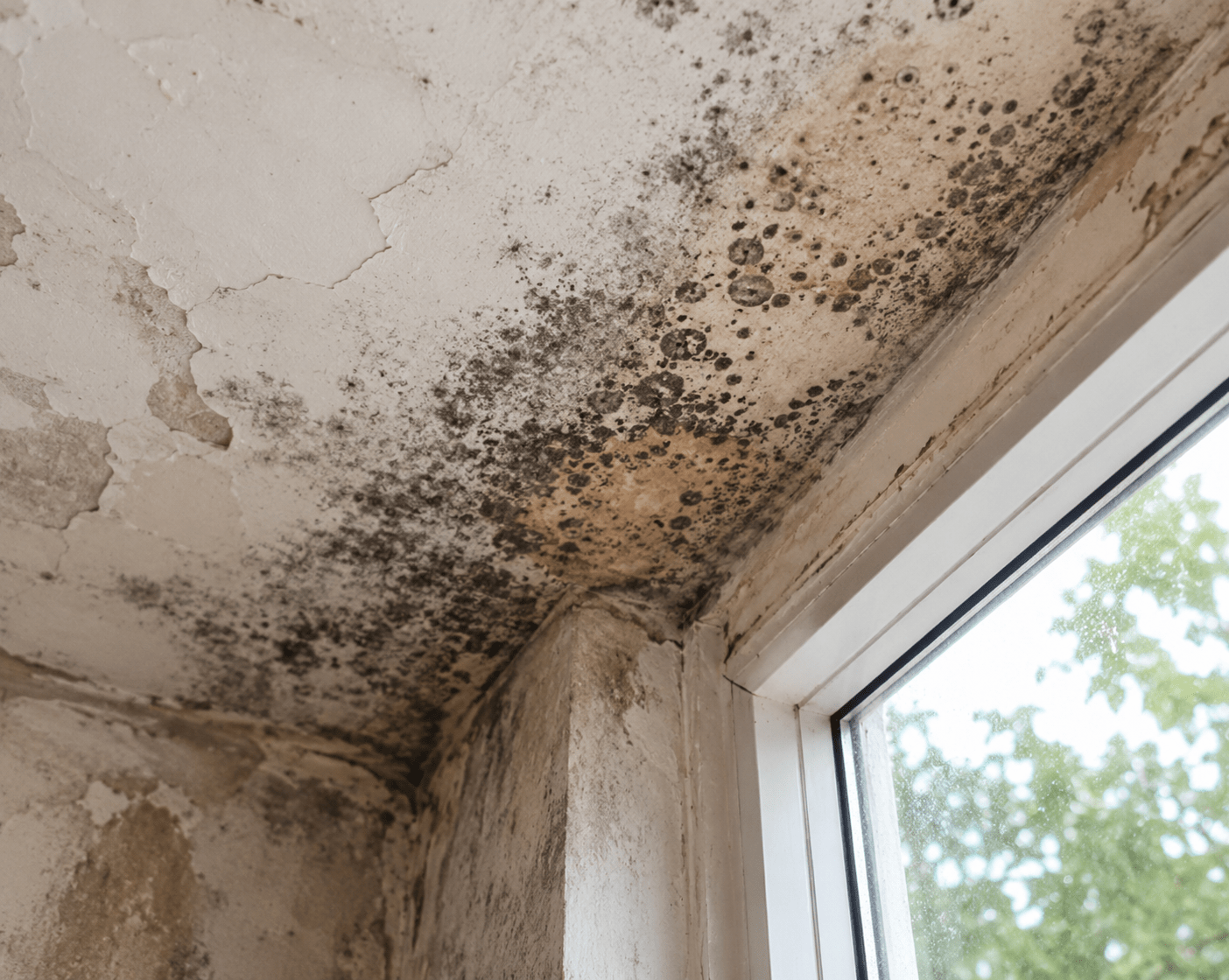
Attic mold remediation is one of the most important services homeowners may need after discovering mold in their attic. Because attics are rarely visited, mold can grow unnoticed for months before visible damage appears. Moisture from roof leaks, poor ventilation, or excess humidity creates the perfect environment for mold to spread. Acting quickly can help protect your home’s structure, improve indoor air quality, and prevent costly repairs. If you suspect mold in your attic, the experienced team at A-Best Abatement can perform a professional mold inspection and recommend the safest solution.
What You’ll Learn
- What causes attic mold to grow
- Early warning signs every homeowner should know
- Why professional attic mold removal is often the safest solution
- How experts remove mold and prevent it from returning
- Simple ways to reduce moisture and protect your attic
- When it’s time to call a professional remediation team
Why Does Mold Grow in the Attic?
Many homeowners assume mold only grows in damp basements or bathrooms. In reality, the attic is one of the most common places for mold because it often experiences changes in temperature and humidity. Since most people rarely check their attic, moisture problems can go unnoticed for a long time. When mold is discovered in an attic, it is often a sign that hidden moisture issues have been present for an extended period.
Once moisture gets trapped, mold can begin growing on roof decking, wooden beams, insulation, and other building materials. Over time, it can spread across large sections of the attic if the underlying problem isn’t fixed. If mold is discovered early, professional inspection and remediation can help prevent further damage and protect the home’s indoor air quality.
Some of the most common causes include:
- Roof leaks after heavy rain or damaged shingles
- Poor attic ventilation
- High indoor humidity
- Bathroom or kitchen exhaust fans venting into the attic
- Condensation during seasonal temperature changes
Common Warning Signs of Attic Mold
Mold usually doesn’t appear overnight. Instead, your home gives you small warning signs that are easy to miss. Knowing what to look for can help you catch the problem before it becomes more serious.
Here are some of the most common signs homeowners notice.
A Musty Smell in the Attic
A strong, musty odor is often one of the earliest signs of mold. Even if you can’t see visible growth, that damp smell usually means excess moisture is present.
If the smell becomes stronger after rain or during humid weather, it’s a good idea to have the attic inspected before mold spreads further.
Dark Stains on Wood or Roof Decking
Black, green, or brown patches on wooden rafters or roof decking are common indicators of mold growth. At first, these stains may look harmless, but they can spread quickly if moisture remains trapped.
It’s important not to assume every dark stain is dirt. A professional inspection can identify whether mold is present and determine how extensive the contamination has become.
Visible Moisture or Condensation
Water droplets on rafters, damp insulation, or condensation around roof vents often indicate excessive moisture inside the attic. These conditions create the perfect environment for mold to develop.
Even small amounts of moisture can become a problem if they continue over weeks or months.
Higher Indoor Humidity
Your attic plays an important role in regulating your home’s temperature and airflow. When excess attic humidity builds up, moisture can collect on wooden surfaces and insulation.
If your home often feels damp or humid, especially during warmer months, the attic may be contributing to the problem.
Why Professional Attic Mold Removal Is Important
Many homeowners think they can remove attic mold using bleach or household cleaners. While this may remove some surface staining, it rarely addresses the root cause of the problem.
Professional attic mold removal focuses on more than cleaning visible mold. Specialists inspect the entire attic, locate moisture sources, contain affected areas, remove contamination safely, and recommend solutions to prevent mold from returning.
Attempting DIY cleanup without proper equipment may spread mold spores throughout the home, making the problem even worse.
What Happens During an Attic Mold Inspection?
A professional mold inspection provides a clear understanding of what’s happening inside your attic. Instead of relying on guesswork, trained technicians carefully assess both the mold growth and the moisture source causing it.
Most inspections include:
- A detailed visual inspection
- Moisture readings
- Roof and ventilation assessment
- Inspection of insulation and roof decking
- Recommendations for the best remediation approach
This information helps homeowners make informed decisions before mold causes further damage.
How Professionals Perform Attic Mold Remediation
Every property is different, so remediation plans are tailored to the level of contamination. The goal isn’t just to remove mold—it’s to eliminate the conditions that allowed it to grow in the first place.
A typical remediation process includes:
- Containing affected areas
- Removing contaminated materials when necessary
- Thorough mold cleanup
- Drying moisture-affected surfaces
- Correcting ventilation or leak issues
- Final cleaning and inspection
Working with an experienced mold remediation company helps ensure the problem is resolved safely and effectively rather than temporarily hidden.
Can Attic Mold Damage Your Home?
Yes, attic mold can cause more than just cosmetic damage. If left untreated, it can spread across wooden beams, roof decking, and insulation. Over time, this may weaken building materials and reduce your home’s energy efficiency. Mold can also affect indoor air quality, especially if spores travel through your ventilation system.
Ignoring the problem can lead to:
- Damage to roof decking and timber framing
- Reduced insulation performance
- Poor indoor air quality
- Higher repair and restoration costs
- Mold spreading to other parts of the home
The sooner the issue is identified, the easier it is to resolve.
Can You Remove Attic Mold Yourself?
It’s natural to want to handle small mold problems yourself, but attic mold is often more extensive than it appears. While surface cleaning may remove visible stains, it usually doesn’t eliminate the moisture source that’s allowing mold to grow.
Before attempting DIY cleanup, ask yourself:
- Do you know what’s causing the moisture?
- Has the roof leak or ventilation issue been repaired?
- Is the mold limited to a very small area?
- Do you have the proper protective equipment?
If you’re unsure about any of these questions, it’s safer to contact professionals. Improper cleaning can spread mold spores throughout the home and make the problem worse.
How to Prevent Attic Mold
The best way to avoid attic mold remediation is to stop moisture from building up in the first place. Regular maintenance and good airflow can go a long way toward protecting your attic and extending the life of your roof.
Simple prevention tips include:
- Repair roof leaks as soon as they’re discovered.
- Keep attic vents clear and functioning properly.
- Ensure bathroom and kitchen exhaust fans vent outside, not into the attic.
- Check the attic for condensation during seasonal changes.
- Schedule regular roof and attic inspections.
A little preventive maintenance today can save you from costly repairs in the future.
When Should You Call a Mold Remediation Professional?
Some mold problems are obvious, while others remain hidden until significant damage has already occurred. If you’ve noticed a persistent musty smell, visible mold, or signs of water intrusion in your attic, it’s time to seek professional help.
You should arrange an inspection if:
- Mold continues returning after cleaning.
- Water stains appear on ceilings.
- Your attic has experienced a roof leak.
- Condensation is a recurring problem.
- Family members experience allergy symptoms indoors.
A professional inspection can identify the cause early and help prevent the mold from spreading further.
Conclusion
Attic mold remediation is about much more than removing visible mold. It’s about identifying the source of the moisture, stopping the spread of contamination, and protecting your home’s structure for the long term. By recognizing the warning signs early and addressing problems like roof leaks, poor ventilation, or excess humidity, you can avoid expensive repairs and improve the overall health of your home.
If you suspect mold in your attic, don’t wait until the damage becomes more severe. The experienced team at A-Best Abatement provides thorough inspections, safe remediation, and long-term solutions tailored to your property.
Contact A-Best Abatement today to schedule a professional attic mold inspection and let our experts restore a cleaner, safer, and healthier home.
Frequently Asked Questions
The most common causes include roof leaks, poor ventilation, excess humidity, condensation, and exhaust fans venting into the attic instead of outdoors.
Yes. Mold spores can travel through your home's ventilation system and reduce indoor air quality, especially if the mold problem becomes widespread.
The timeline depends on the size of the affected area and the extent of the damage. Smaller jobs may take a day, while larger remediation projects can require several days.
If the moisture source has been repaired and the remediation process is completed correctly, mold is much less likely to return. Ongoing maintenance and proper ventilation also help prevent future growth.