Mold Cleaning Service vs. Professional Remediation: What’s the Difference?
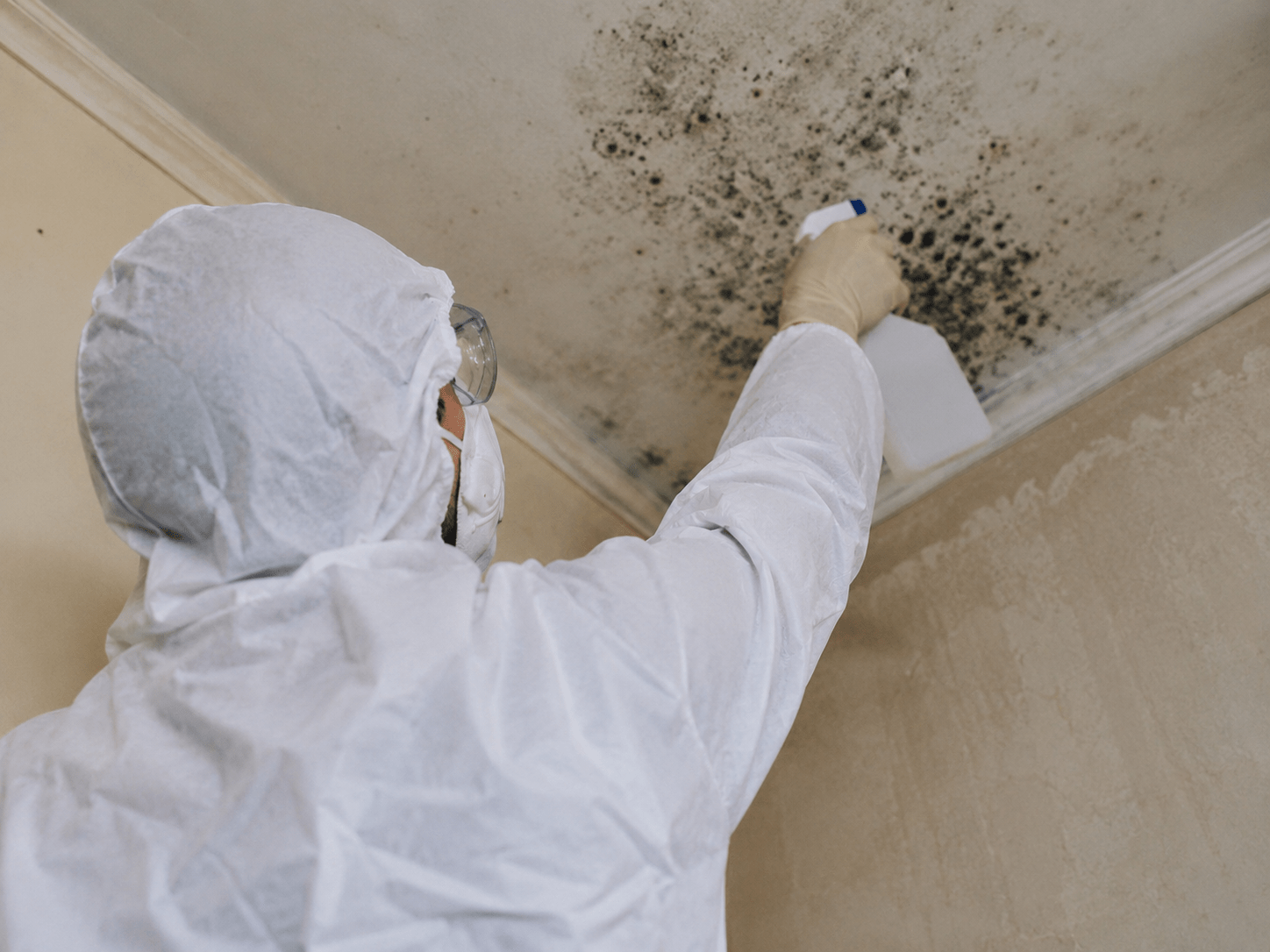
A mold cleaning service may seem like the quickest way to deal with visible mold, but cleaning alone doesn’t always solve the problem. In many cases, mold continues growing behind walls, under flooring, or inside insulation even after the surface looks clean. Understanding the difference between simple mold removal and professional remediation can help you protect your property and avoid expensive repairs later. If you’re unsure about the extent of mold in your home or business, A-Best Abatement can provide a professional mold inspection and recommend the right solution.
Quick Facts
- A mold cleaning service removes visible mold but may not eliminate the source.
- Professional mold remediation focuses on finding and fixing the moisture problem.
- Mold can continue growing even after surface cleaning.
- Early action helps reduce repair costs and protects indoor air quality.
- Professional inspections determine how serious the contamination is.
- Fixing the moisture source is essential to stop mold from returning.
Why Cleaning Mold Isn’t Always Enough
Many homeowners believe that wiping away mold or using household cleaners completely solves the issue. Unfortunately, mold often grows deeper than the surface you can see. It can spread inside drywall, wood framing, insulation, or ceiling cavities without leaving obvious signs.
When only the visible mold is cleaned, the hidden moisture and remaining spores can continue to grow. Over time, the mold simply returns, leaving homeowners frustrated and facing even larger repair costs.
Common reasons mold comes back include:
- Water leaks that haven’t been repaired
- High indoor humidity
- Poor ventilation
- Hidden moisture inside walls
- Incomplete mold cleanup
What Is a Mold Cleaning Service?
A mold cleaning service usually focuses on removing mold that’s visible on surfaces such as walls, ceilings, tiles, or furniture. This type of service works well for very small areas where mold hasn’t spread beyond the surface.
Cleaning normally includes removing stains, disinfecting affected areas, and improving the appearance of the surface. While this can make mold less noticeable, it doesn’t always solve the underlying problem. In older homes or commercial buildings, professionals may also recommend asbestos remediation before restoration work begins if hazardous materials are discovered during the inspection.
A standard cleaning service may include:
- Surface cleaning
- Basic sanitizing
- Removing visible mold stains
- Deodorizing affected rooms
If moisture remains trapped behind the surface, mold may return within weeks or months.
What Is Professional Mold Remediation?
Professional mold remediation is much more than simply cleaning mold. It involves identifying why mold developed in the first place and safely removing contaminated materials when necessary.
Rather than focusing only on what you can see, remediation addresses the entire problem. Specialists locate moisture sources, contain affected areas, remove contaminated materials, dry the property, and help prevent future mold growth.
This process is designed to protect both the building and the people inside it.
Mold Cleaning Service vs. Mold Remediation
Many people use these terms interchangeably, but they are not the same.
A cleaning service focuses on appearance, while remediation focuses on solving the problem permanently.
A Mold Cleaning Service Typically Includes
- Cleaning visible mold
- Removing surface stains
- Basic disinfection
- Improving appearance
Professional Remediation Includes
- Finding the moisture source
- Containment of affected areas
- Safe removal of contaminated materials
- Drying and restoring the property
- Preventing future mold growth
This is why professional remediation is usually recommended whenever mold has spread beyond a small surface area.
When Is a Mold Cleaning Service Enough?
There are situations where a cleaning service may be suitable. If mold is limited to a very small area and hasn’t spread into building materials, cleaning may be all that’s required. However, if the mold continues to return or has affected a larger area, it may be time to consider a professional abatement service to address the underlying cause and prevent further contamination.
Examples include:
- Small mold spots on bathroom tiles
- Surface mildew around sinks
- Minor condensation-related mold
Even in these cases, it’s important to fix the moisture problem. Otherwise, the mold is likely to return.
When Do You Need Professional Mold Remediation?
If mold has spread beyond what you can easily clean, professional remediation is usually the safest option. Large mold problems often indicate hidden moisture, which needs to be identified before repairs begin.
Professional remediation is recommended if:
- Mold keeps coming back
- Water damage has occurred
- You notice strong musty odors
- Mold is growing inside walls or ceilings
- Family members experience allergy symptoms indoors
Ignoring these warning signs can allow mold to spread further and increase repair costs.
How Professionals Handle Mold Problems
Professional remediation follows a structured process that removes mold safely while reducing the risk of spreading spores throughout the building.
Most projects include:
- A detailed inspection
- Moisture testing
- Identifying water intrusion
- Containing affected areas
- Safe mold damage cleanup
- Drying affected materials
- Final cleaning and verification
Every step is designed to address both the mold and the moisture that caused it.
Why Professional Mold Inspection Matters
Many mold problems remain hidden until they become severe. A professional inspection helps identify issues before they turn into major repairs.
Experienced mold specialists use specialized equipment to locate moisture behind walls, under flooring, and inside ceilings. This allows them to develop an effective remediation plan instead of relying on guesswork.
Professional inspections often include:
- Moisture readings
- Thermal imaging
- Air sampling when required
- Surface testing
- Detailed inspection reports
Benefits of Hiring a Professional Mold Cleaning Company
Choosing a professional mold cleaning company gives you more than just a clean-looking home. Professionals understand how mold spreads and know how to remove it safely without allowing spores to contaminate other areas of the property.
Instead of treating only the visible signs, they focus on identifying the root cause, reducing the risk of future mold growth, and protecting your indoor air quality. This gives homeowners greater confidence that the problem has been properly addressed.
Some of the biggest benefits include:
- Accurate identification of the mold source
- Safe containment of affected areas
- Proper cleaning and restoration techniques
- Reduced risk of mold returning
- Improved indoor air quality
Can You Clean Mold Yourself?
Many homeowners attempt to remove mold using bleach or household cleaning products. While this may work for very small surface spots, it rarely solves the entire problem. In fact, disturbing mold without the proper equipment can release spores into the air and spread contamination to other parts of the property.
DIY cleaning may be suitable for minor surface mold, but larger infestations or mold caused by water damage should always be assessed by professionals. Addressing the moisture source is just as important as removing the mold itself.
Before attempting DIY cleanup, ask yourself:
- Is the affected area larger than a few square feet?
- Has the mold returned after previous cleaning?
- Do you know what’s causing the moisture?
- Could the mold be growing inside walls or ceilings?
If the answer is “yes” to any of these questions, it’s time to seek professional assistance.
How to Prevent Mold from Returning
Removing mold is only part of the solution. Preventing it from coming back requires controlling the moisture that allowed it to grow in the first place.
Regular maintenance and quick action after leaks can significantly reduce the risk of future mold problems.
Here are a few simple ways to help prevent mold:
- Repair plumbing and roof leaks quickly.
- Improve ventilation in bathrooms and kitchens.
- Use dehumidifiers in damp areas when needed.
- Dry wet carpets and building materials promptly.
- Schedule routine property inspections if your building has experienced water damage before.
Taking these small steps can save you from expensive repairs and future remediation work.
When Should You Call a Mold Remediation Professional?
Some mold problems are obvious, while others remain hidden for months. If you notice a musty smell, recurring mold patches, or signs of water damage, don’t ignore them. Early action can prevent structural damage and reduce remediation costs.
You should contact a professional if:
- Mold continues returning after cleaning.
- Water damage has affected your property.
- You notice a persistent damp odor.
- Mold is visible in multiple rooms.
- Occupants experience allergy-like symptoms indoors.
A professional inspection provides peace of mind and ensures the problem is handled correctly from the beginning.
Conclusion
Choosing between a mold cleaning service and professional remediation depends on the size of the problem and what’s causing it. While surface cleaning may remove visible mold, it doesn’t always address hidden moisture or contamination behind walls, ceilings, or flooring. That’s why many mold problems return after DIY cleaning or basic cleanup services.
Professional remediation focuses on finding the source of the moisture, removing contaminated materials safely, and restoring your property to a healthier condition. Taking action early not only protects your home but can also help reduce long-term repair costs and improve indoor air quality.
If you suspect mold in your home or commercial property, don’t wait until the problem gets worse. Contact A-Best Abatement today to schedule a professional inspection and let our experienced team provide safe, reliable, and long-lasting mold remediation solutions.
Frequently Asked Questions
No. A mold cleaning service focuses on removing visible mold from surfaces, while mold remediation identifies the source of moisture, removes contaminated materials when necessary, and helps prevent mold from returning.
Yes. If the underlying moisture problem isn't fixed, mold can return even after the visible growth has been cleaned away.
Professionals use moisture meters, thermal imaging cameras, and other inspection tools to locate hidden moisture and mold growth without unnecessary damage to your property.
The timeline depends on the size of the affected area and the extent of the damage. Small projects may take a day or two, while larger remediation jobs can take several days.