Mold Remediation Explained: A Certified Expert Guide to the Complete Process
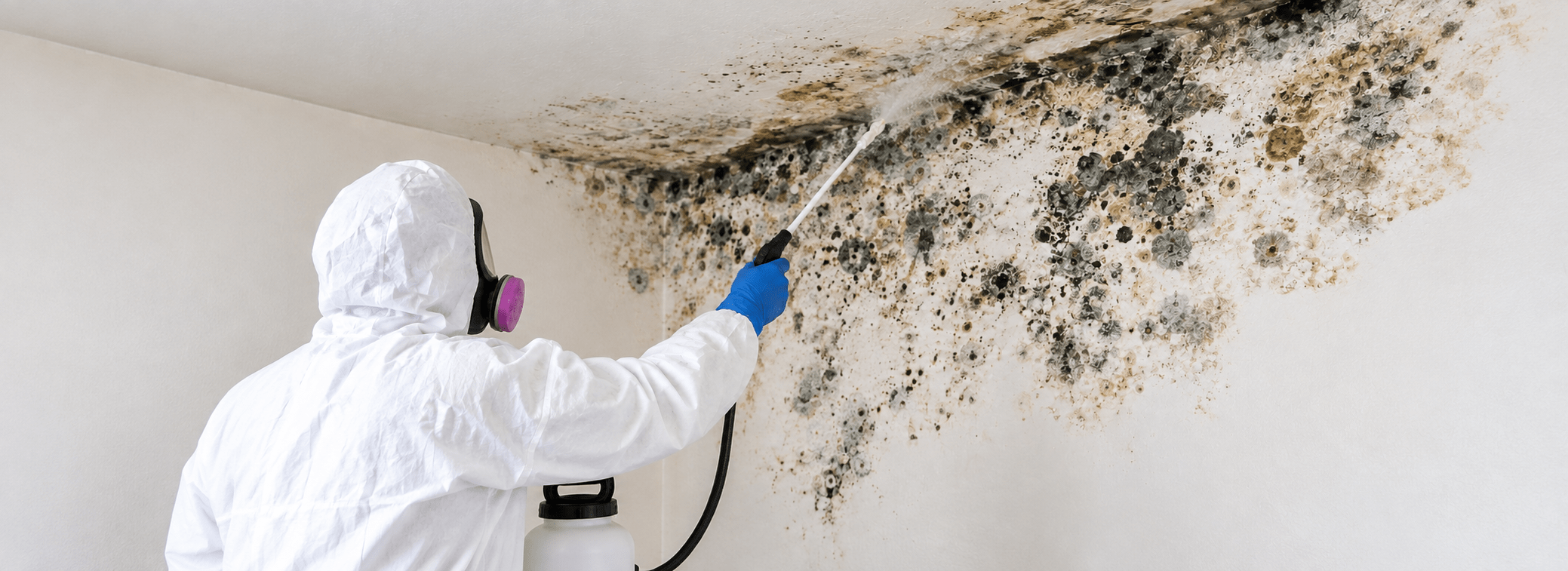
Mold remediation is the process of finding mold, controlling its spread, cleaning affected areas, and fixing the moisture problem that caused it. Mold can develop after leaks, flooding, plumbing problems, or high humidity. It can also grow in hidden places such as behind walls, under floors, inside attics, and in crawl spaces.
For homeowners and business owners, understanding professional mold remediation can make a mold problem easier to manage. The goal is not just to clean visible growth. A proper approach also looks at moisture, affected materials, hidden growth, and ways to reduce the chance of mold returning.
What Is Mold Remediation?
Mold remediation is the professional process of identifying mold growth, containing its spread, removing contaminated materials, cleaning affected areas, and addressing the moisture source that allowed mold to develop. Unlike simple mold cleaning, remediation focuses on restoring the affected space to a safe condition and reducing the chance of mold returning.
Mold can develop when areas remain damp because of leaks, flooding, plumbing problems, condensation, or excessive humidity. It may grow on visible surfaces such as walls and ceilings, but it can also remain hidden behind drywall, under flooring, inside insulation, or in crawl spaces and attics.
Why Is Mold Remediation Different from Basic Cleaning?
Basic cleaning may work for a small amount of mold on a solid surface. Remediation takes a wider approach. It looks at why the mold appeared, whether it has spread, and whether building materials have been affected.
A professional approach may include:
- Finding the moisture source.
- Inspecting nearby areas.
- Creating a cleanup plan.
- Using containment when needed.
- Cleaning or removing affected materials.
- Drying the area.
- Taking steps to prevent future growth.
This makes remediation more than simply spraying and wiping the surface.
What Causes Mold to Grow Inside a Property?
Mold can grow when moisture reaches materials such as drywall, wood, carpet, insulation, or ceiling materials. Leaks and flooding are common causes, but condensation and poor ventilation can also create suitable conditions.
A-Best Abatement identifies water leaks, flooding, condensation, and poor ventilation as common causes. Mold can appear in basements, attics, crawl spaces, walls, kitchens, ducts, and areas around HVAC systems.
Common causes include:
- Plumbing or roof leaks.
- Flooding or standing water.
- High indoor humidity.
- Poor bathroom ventilation.
- Condensation around pipes or HVAC equipment.
- Water-damaged drywall or wood.
- Damp crawl spaces and basements.
Finding and correcting the moisture source is a key part of effective mold control.
The Mold Remediation Process: Step by Step
The mold remediation process depends on the size of the problem, the affected materials, and the source of moisture. A-Best Abatement uses inspection, containment, and treatment as part of its approach, with the overall remediation process focused on identifying the source of mold, controlling its spread, removing affected materials, correcting moisture problems, and restoring the affected area.
1. Mold Inspection and Assessment
The process begins with an assessment of the property. Professionals look for visible mold, moisture, water damage, musty odors, and areas where mold may be hidden. This helps determine the scope of the problem and the right cleanup plan.
An inspection may identify:
- Visible mold growth.
- Damp or damaged materials.
- Signs of past leaks.
- Hidden areas that may need further inspection.
- Moisture around plumbing, roofs, or HVAC systems.
A careful assessment helps prevent the problem from being treated too narrowly.
2. Find and Fix the Moisture Source
Mold can return if the moisture problem remains. The source could be a leaking pipe, roof, flooding, condensation, or poor airflow. Professionals need to identify the cause and determine what must be corrected.
Important moisture-control steps include:
- Repairing plumbing and roof leaks.
- Drying wet materials.
- Improving ventilation.
- Controlling indoor humidity.
- Addressing drainage problems.
- Correcting water entry points.
3. Create a Remediation Plan
After the affected areas are identified, professionals can create a plan for the work. The plan considers the size of the affected area, building materials, moisture source, containment needs, and safe handling procedures.
A remediation plan may include:
- Areas requiring treatment.
- Materials that can be cleaned.
- Materials requiring removal.
- Containment requirements.
- Equipment and protective measures.
- Drying and follow-up procedures.
A clear plan keeps the project controlled and helps reduce unnecessary disruption.
4. Contain the Affected Area
Containment helps prevent mold, dust, and debris from spreading to clean areas. It can be especially important when damaged drywall, insulation, flooring, or other materials need to be disturbed. Depending on the project, professionals may use barriers, controlled work areas, and specialized equipment.
Containment can help:
- Limit mold spore movement.
- Protect unaffected rooms.
- Keep the work area controlled.
- Reduce the spread of dust and debris.
- Support safer cleanup.
The containment method depends on the size and location of the mold problem.
5. Clean, Treat, or Remove Affected Materials
The final cleanup method depends on the type of material and the extent of the mold damage. Hard, non-porous surfaces can often be cleaned and treated, while heavily contaminated porous materials, such as certain carpets, insulation, or ceiling tiles, may need to be removed and replaced. The goal is to eliminate visible mold, address contamination thoroughly, and prevent the problem from spreading or returning.
Professionals may:
- Clean suitable hard surfaces.
- Remove severely affected porous materials.
- HEPA vacuum affected areas.
- Clean surrounding surfaces.
- Handle damaged materials safely.
There is no single cleaning method for every mold situation.
Mold Removal vs. Mold Remediation: What Is the Difference?
Mold removal vs. mold remediation is a common question because the terms are often used interchangeably. Removal focuses on physically taking mold away. Remediation is broader and considers the moisture source, containment, cleanup, damaged materials, and steps that help reduce future growth.
The difference is simple:
- Mold removal: focuses on removing mold.
- Mold remediation: addresses the wider mold problem.
- Mold cleanup: focuses on cleaning affected areas.
- Moisture correction: addresses the conditions that support mold.
A complete solution may involve several of these steps.
When Should You Hire a Professional?
Small mold problems may sometimes be handled by property owners. However, larger growth, hidden mold, repeated problems, or major water damage can require professional assistance.
Consider professional mold remediation when:
- Mold covers a large area.
- Mold keeps returning.
- Major flooding has occurred.
- Mold may be inside walls or ceilings.
- HVAC systems may be affected.
- The source or extent is unclear.
- Damaged materials need removal.
- Commercial property is affected.
Can You Get Rid of Mold Permanently?
It is more accurate to focus on controlling mold and preventing the conditions that support its growth. Mold spores are naturally present in the environment, so completely removing every spore from a building is not realistic. However, property owners reduce the chance of recurring growth by controlling moisture.
Helpful steps include:
- Repairing leaks quickly.
- Drying wet materials.
- Improving ventilation.
- Controlling humidity.
- Keeping drainage systems working.
- Watching areas with previous water damage.
- Addressing damp smells and spots early.
When Mold Damage Requires More Than Mold Cleanup
Mold may be part of a larger property problem. A major water event can damage drywall, flooring, insulation, wood, and other materials. In these cases, visible cleaning alone may not solve the problem. Professional mold damage restoration can involve addressing damaged materials and the moisture source. The right approach depends on the condition of the property.
Older buildings may also contain other environmental hazards. For example, asbestos removal contractors may be needed when asbestos-containing materials must be disturbed. A-Best Abatement also provides asbestos services for properties that require specialized handling.
Why Choose a Professional Mold Remediation Company?
A qualified mold remediation company can assess the property, develop a cleanup plan, establish containment, and use professional equipment when needed.
A-Best Abatement has more than 30 years of experience and provides mold services for residential and commercial properties. Its approach focuses on identifying the source of mold and using specialized filtration and vacuum equipment.
When choosing a provider, consider:
- Relevant experience.
- Proper training.
- Clear communication.
- A written scope of work.
- Safe containment practices.
- Proper material handling.
- Residential and commercial experience.
A-Best Abatement serves Maine, Massachusetts, New Hampshire, Rhode Island, and Southern Maine.
Final Thoughts: Professional Help Can Make Mold Problems Easier to Manage
Mold remediation is more than cleaning a visible stain. A proper process looks at the moisture source, affected areas, building materials, containment needs, and steps that can help prevent future growth. Small problems may sometimes be manageable with basic cleaning. Larger, hidden, or recurring problems may require professional assessment and specialized equipment.
A-Best Abatement provides professional mold remediation and environmental services across Maine, Massachusetts, New Hampshire, Rhode Island, and Southern Maine. Need help with a mold problem? Contact A-Best Abatement to discuss your property and get professional assistance.
Frequently Asked Questions
Professional help may be needed when mold covers a large area, keeps returning, is hidden behind walls, or follows major water damage.
Yes. A proper plan identifies moisture sources such as leaks, flooding, or high humidity and addresses the conditions that support mold growth.
Sometimes. Lightly affected drywall may be cleaned, while severely damaged or heavily contaminated materials may need to be removed.
An inspection can help determine the size and location of the problem. It is especially useful when mold may be hidden or water damage is present.
Repair leaks, control humidity, improve ventilation, and keep water-damaged areas dry. Regular checks can also help catch moisture problems early.