Musty Smell in Basement? It Could Be Hidden Mold
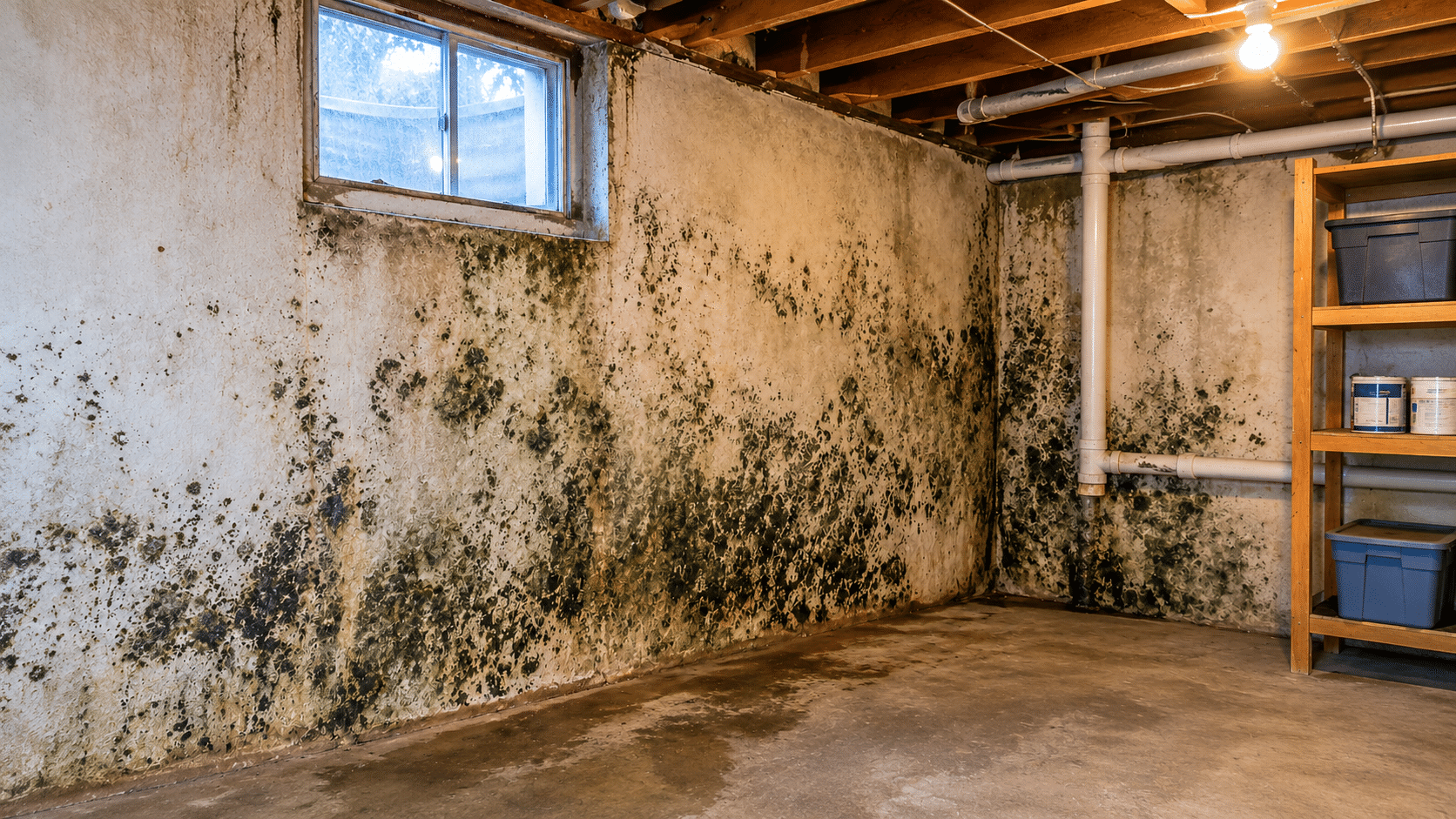
A musty smell in basement areas should not be ignored. That stale, earthy odor may point to hidden mold, excess moisture, or a water problem behind walls, floors, or other materials. A-Best Abatement helps homeowners identify and address mold and moisture concerns before they become bigger problems. A musty odor does not always mean there is visible mold. Sometimes, the source may be hidden behind drywall, under flooring, around pipes, or near the foundation. Finding the source early can help prevent further damage and make cleanup easier.
What You Should Know
A musty basement odor can have several causes, but moisture is one of the most common. Mold needs moisture to grow, so finding and fixing the source is an important part of solving the problem.
- A musty odor can be an early sign of hidden mold.
- Basement moisture can come from leaks, condensation, seepage, or poor drainage.
- Mold can grow behind walls, under floors, and inside other hidden areas.
- A professional mold inspection can help locate the source.
- Cleaning visible mold without fixing moisture can allow the problem to return.
- Professional mold remediation may be needed when growth is widespread or hidden.
Why Does a Musty Smell in Basement Areas Happen?
A musty odor usually develops when moisture stays in an enclosed area for too long. Basements are especially vulnerable because they are below ground level and often have limited airflow. Water can enter through foundation walls, floors, windows, plumbing, or other openings.
The smell may also come from damp materials. Wet wood, drywall, carpet, cardboard, and insulation can hold moisture and create conditions where mold can grow. The U.S. Environmental Protection Agency explains that moisture control is a key part of preventing indoor mold growth.
Common causes include:
- Leaking pipes or plumbing fixtures
- Water seeping through foundation walls or floors
- Condensation on cold surfaces
- High indoor humidity
- Poor basement ventilation
- Flooding or previous water damage
Finding the cause is more important than simply covering the smell. Air fresheners may hide the odor for a short time, but they do not remove the moisture or mold behind it.
Could a Musty Smell Mean Hidden Mold?
Yes. A musty smell can be a warning sign of mold, especially when the odor continues after the basement has been cleaned or aired out. Mold can grow in places that are difficult to see, including behind drywall, beneath flooring, inside wall cavities, and around damp insulation.
A-Best Abatement notes that mold commonly develops in basements because excess moisture or problems with the foundation can allow water to enter the space. Their mold guidance also identifies an unpleasant musty smell as a common sign of mold.
Signs That May Point to Hidden Mold
The smell becomes more concerning when it appears with other signs of moisture or mold. You may notice changes in the basement before you actually see mold growth.
Look for:
- Dark, green, white, or brown spots
- Damp or soft drywall
- Water stains on walls or ceilings
- Peeling paint or wallpaper
- Warped wood or flooring
- Condensation on pipes or walls
- A basement that feels damp or humid
- Allergy-like symptoms that seem worse indoors
These signs do not prove that mold is present. However, they can show that the basement has conditions that support mold growth.
What Causes Basement Moisture?
Basement moisture can enter a home in several ways. Sometimes the problem is easy to spot, such as a leaking pipe. Other times, water may slowly seep through the foundation or collect because of poor drainage.
Cold basement walls can also create condensation. When warm, moist air touches a cold surface, water droplets can form. Over time, this moisture can soak into nearby materials and create a place for mold to grow. The EPA recommends controlling humidity, fixing leaks, improving ventilation, and keeping wet materials dry to reduce the chance of mold growth.
Common Sources of Water Intrusion
Water intrusion does not always cause a large flood. Even small amounts of moisture can become a problem when they continue for weeks or months.
Common sources include:
- Foundation cracks
- Poor grading around the home
- Clogged or damaged gutters
- Downspouts that direct water toward the foundation
- Plumbing leaks
- Basement window leaks
- Sump pump problems
- Condensation
- Previous flooding
A professional can help determine whether the odor is linked to active moisture, old water damage, or hidden mold.
How Can You Find the Source of the Musty Odor?
Start by checking the areas where moisture is most likely to collect. Look around plumbing connections, foundation walls, windows, floor edges, and areas where water has been stored or spilled.
Do not stop at the first area that smells damp. Mold can spread away from the original moisture source. For example, water may enter through a foundation wall and travel into drywall or insulation before the damage becomes visible. A professional mold inspection can provide a more detailed assessment. The goal is to identify where moisture is present, determine whether mold is growing, and understand the size of the affected area.
Areas Worth Checking
A careful inspection may focus on:
- Behind basement walls
- Around pipes and drains
- Under carpets or flooring
- Near foundation cracks
- Around basement windows
- Inside damp storage areas
- Behind furniture placed against exterior walls
- Around HVAC equipment
The CDC states that mold grows where moisture is present, including around leaks, pipes, windows, and areas affected by flooding.
Should You Clean the Mold Yourself?
Small areas of surface mold may sometimes be cleaned safely, but the right approach depends on the size and condition of the affected area. If mold is widespread, keeps returning, or appears to be hidden, professional help may be a better choice.
It is also important to avoid disturbing mold without proper precautions. Scrubbing, sanding, or removing contaminated materials can release mold spores into the air. The CDC recommends protective equipment when cleaning mold and advises extra caution for people who may be more sensitive to mold exposure.
When Professional Help Makes Sense
Consider professional assistance when:
- The source of the odor cannot be found.
- Mold covers a large area.
- Mold keeps returning after cleaning.
- There has been major water damage.
- Mold is suspected behind walls or under flooring.
- Porous building materials are heavily affected.
- The basement has had repeated moisture problems.
A professional assessment can help prevent a simple moisture issue from becoming a larger cleanup project.
What Happens During Mold Remediation?
Mold remediation is more than wiping away visible growth. The process should address the mold and the conditions that allowed it to grow.
Typical Steps in Mold Remediation
The exact process depends on the property, but it may include:
- Inspection: The affected area is assessed to understand the extent of the problem.
- Moisture assessment: The source of water or humidity is identified.
- Containment: The affected area may be isolated to reduce the spread of contamination.
- Removal: Mold-affected materials may need to be removed when they cannot be properly cleaned.
- Cleaning: Suitable surfaces are cleaned and treated.
- Drying: Dehumidification and other methods may be used to reduce moisture.
- Prevention: The underlying water or moisture problem should be corrected.
Can a Musty Basement Smell Return After Cleaning?
Yes. A musty odor can return when the original moisture problem remains. For example, cleaning mold from a basement wall will not solve a foundation leak behind that wall. The same problem can happen when humidity remains high. Even after visible mold is removed, damp conditions can create a new opportunity for growth. This is why mold removal should not be treated as a one-step cleaning job. The source of moisture needs attention as part of the solution. The EPA recommends keeping indoor humidity under control and drying wet areas quickly. It also advises fixing leaks and reducing conditions that allow mold to grow.
Ways to Help Prevent Future Mold
Once the source has been addressed, simple maintenance can help protect the basement.
- Keep humidity under control.
- Repair leaks as soon as possible.
- Keep gutters and downspouts working properly.
- Make sure water drains away from the foundation.
- Improve airflow where needed.
- Check the basement after heavy rain.
- Dry wet materials quickly.
These steps can reduce the conditions that allow mold to grow.
What If the Basement Is in an Older Home?
Older homes may have additional environmental concerns, especially when renovation or demolition is planned. Materials in older buildings may contain hazardous substances that require professional assessment before they are disturbed.
For example, asbestos abatement company services may be needed when asbestos-containing materials are identified during renovation or removal work. A-Best Abatement provides asbestos, mold, lead, and selective demolition services across its service area. If you are planning to open walls, remove old flooring, or start a major basement renovation, it is important to understand what materials are present before work begins.
When Should You Schedule a Mold Inspection?
A persistent musty odor is a good reason to investigate the basement, especially when you cannot identify another clear source. You should also consider an inspection after flooding, repeated leaks, or long-term moisture problems.
A professional mold inspection can help identify areas that are not obvious during a basic visual check. This can be especially useful when the odor is strong but visible mold is limited. A-Best Abatement provides mold inspection and remediation services as part of its environmental services. Its team works to identify the cause and determine an appropriate solution for the property.
Signs You Should Not Ignore
Pay closer attention if the basement has:
- A musty odor that lasts for weeks
- Repeated water problems
- Visible mold growth
- Damp or damaged building materials
- A history of flooding
- Mold that returns after cleaning
Acting early may help limit the amount of affected material and reduce the need for more extensive repairs.
How to Reduce Basement Moisture
Moisture control is one of the most important parts of preventing basement mold. Start by finding how water enters the space. Then address the source instead of only treating the visible signs.
For example, a dehumidifier may help lower humidity, but it will not repair a foundation leak. Likewise, cleaning a water stain will not stop water from entering through a damaged window. The EPA recommends fixing leaks, reducing humidity, improving ventilation, and drying wet materials as quickly as possible.
A good moisture-control plan may include:
- Checking the foundation after heavy rain
- Keeping gutters clear
- Directing downspouts away from the home
- Repairing plumbing leaks
- Using a dehumidifier when needed
- Improving basement airflow
- Monitoring humidity levels
Small maintenance steps can make a major difference over time.
Conclusion
A persistent musty smell in basement areas may point to hidden mold or excess moisture. Finding and fixing the source early can help prevent the problem from getting worse. Professional mold remediation can help address the mold and moisture problem in a basement. Concerned about a musty basement? Contact A-Best Abatement today for professional help.
Frequently Asked Questions
Not always, but it can indicate hidden mold or excess moisture.
Rain can increase moisture through leaks, foundation cracks, or poor drainage.
It can reduce humidity, but it may not remove the source of the odor.
Yes, especially if the smell continues or visible mold is present.
Yes. Mold may return if the underlying moisture problem is not fixed.