How Long Does Asbestos Removal Take? A Complete Timeline, Process, and Safety Guide
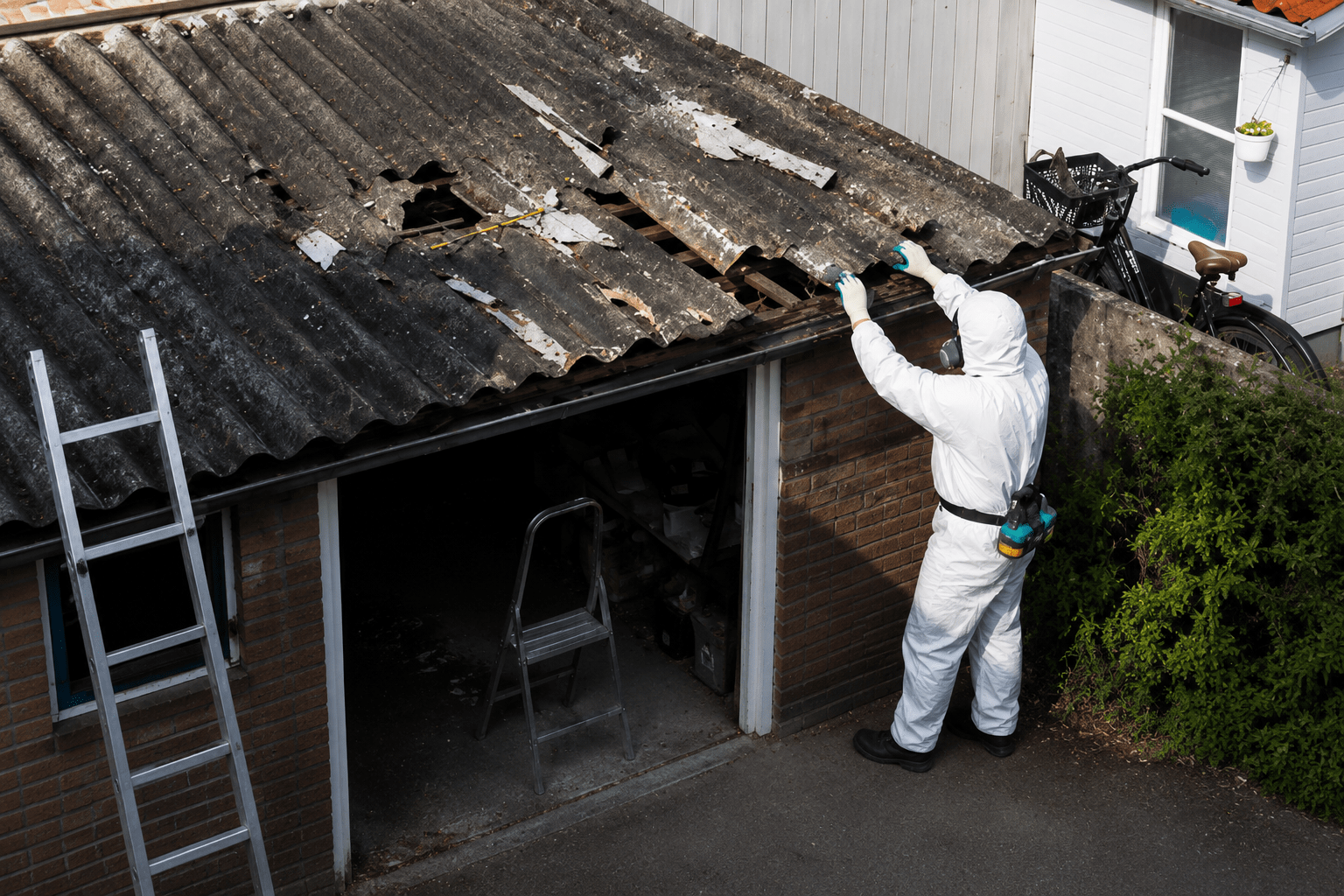
This is one of the first questions homeowners and property managers ask after discovering asbestos in a building. The answer depends on the size of the affected area, the material involved, and the condition of the asbestos. A small asbestos removal project may finish within a day, while larger jobs can take several days or even weeks. Understanding the timeline helps you prepare for the work and know what to expect.
Removing asbestos is more than simply taking out old materials. It involves careful planning, strict safety steps, and proper handling to protect everyone nearby. Working with trained professionals also ensures the project follows local laws and industry standards.
Key Takeaways
- How long does asbestos removal take depends on the size and type of asbestos-containing material.
- Small projects often take one day, while larger jobs may require several days.
- Proper planning, testing, containment, removal, and cleaning all affect the schedule.
- Professional removal reduces health risks and helps meet legal requirements.
- Final inspections are important before the space can be safely used again.
Why the Timeline for Asbestos Removal Varies
Every asbestos project is different. Some homes contain only a few damaged ceiling tiles, while others have asbestos in insulation, flooring, roofing, or pipe coverings. The location, amount, and condition of the material all affect how long the work will take.
In many cases, the project also includes an asbestos inspection before any removal begins. This step identifies where asbestos is present and helps professionals create a safe removal plan. Skipping this stage could increase health risks and delay the project later.
Some common factors that affect the timeline include:
- Size of the contaminated area
- Type of asbestos-containing material
- Ease of access
- Building occupancy
- Local permit requirements
Typical Timeline: How Long Does Asbestos Removal Take?
The full process usually involves several stages rather than just the removal itself. Each stage helps protect workers and building occupants while ensuring the job is completed safely.
Small Residential Projects
Small jobs usually involve limited amounts of asbestos, such as floor tiles, pipe insulation, or a small section of textured ceiling. These projects often move quickly because fewer materials need to be contained and removed.
Most small projects follow this schedule:
- Inspection and planning: 1 day
- Site preparation: Several hours
- Removal: 1 day
- Cleanup and clearance: Same day or next day
Overall, many small projects finish within one to two days.
Medium-Sized Projects
Larger residential properties or small commercial buildings often require more preparation. Workers may need to isolate several rooms and use additional protective equipment before removal begins.
These projects commonly take:
- Inspection and planning: 1–2 days
- Containment setup: 1 day
- Removal: 2–3 days
- Cleaning and air clearance: 1 day
The complete project generally lasts between three and five days.
Large Commercial Projects
Large buildings, schools, factories, and office spaces require extensive planning because they often contain asbestos in multiple locations. Safety barriers, specialized equipment, and larger crews are usually necessary.
Depending on the project size, the work may continue for several weeks before the building is declared safe for normal use.
Understanding the Asbestos Removal Process
The asbestos removal process follows strict safety procedures designed to prevent harmful fibers from becoming airborne. Every stage plays an important role in protecting both workers and occupants.
Rather than rushing through removal, professionals complete each step carefully to reduce contamination and ensure safe disposal.
Step 1: Property Assessment
The first visit focuses on evaluating the property. Professionals inspect suspected materials and determine whether asbestos may be present. This early assessment helps estimate the project timeline and identify potential risks.
At this stage, contractors also discuss work schedules, restricted areas, and safety precautions with the property owner.
Step 2: Sample Collection
If asbestos has not already been confirmed, samples are collected and sent for laboratory analysis. This stage involves asbestos testing, which identifies the material type and confirms whether asbestos fibers are present.
Accurate testing helps avoid unnecessary removal while ensuring dangerous materials receive proper treatment.
Preparing the Work Area
Before removal begins, workers carefully prepare the site to stop fibers from spreading into clean areas of the building. Proper preparation often takes longer than people expect because safety is the highest priority.
Preparation commonly includes:
- Sealing work areas with plastic barriers
- Installing warning signs
- Creating negative air pressure
- Wearing protective clothing
- Setting up decontamination stations
Although preparation adds time, it greatly reduces exposure risks during the project.
The Removal Stage
Once containment is complete, trained workers at A-Best Abatement begin carefully removing asbestos-containing materials. Instead of breaking materials apart, they use specialized techniques that minimize dust and airborne fibers. During this stage, experienced teams work carefully because rushing increases the chance of contamination. Every removed item is immediately sealed in approved containers before leaving the work area.
Because each building is different, removal time varies depending on the condition of the materials and how easy they are to access. The professionals at A-Best Abatement follow strict safety procedures throughout the project to help ensure efficient and compliant asbestos removal.
What Happens After Removal?
Many people believe the project ends once the asbestos has been removed. In reality, several important safety steps remain before anyone can safely re-enter the space.
The work area is thoroughly cleaned using specialized vacuums and wet-cleaning methods. Every visible trace of dust is removed before additional inspections begin.
Next comes asbestos cleanup, which ensures any remaining particles are eliminated from surfaces within the containment zone. Only after this detailed cleaning can the final clearance process move forward.
How Asbestos Abatement Protects Your Property
Many people use removal and abatement as the same term, but they have slightly different meanings. Asbestos abatement refers to the complete process of controlling asbestos hazards, including inspection, containment, removal, cleaning, and final clearance.
The goal is not simply to remove material. It is to make the property safe while preventing fibers from spreading into occupied spaces.
Proper abatement helps:
- Protect indoor air quality.
- Reduce health risks.
- Meet legal safety requirements.
- Prevent future contamination.
Factors That Can Delay an Asbestos Removal Project
Not every project stays on schedule. Unexpected issues sometimes appear after work begins, especially in older buildings where hidden asbestos may be discovered behind walls or under flooring.
Several factors may extend the timeline:
- Additional contaminated materials
- Poor weather for exterior projects
- Structural damage
- Waiting for laboratory results
- Permit approvals
- Limited access to affected areas
Planning ahead with an experienced contractor helps reduce unexpected delays and keeps the project moving smoothly.
Choosing the Right Asbestos Contractor
Hiring the right asbestos contractor is one of the most important decisions you can make. A qualified professional follows approved safety practices, uses the proper equipment, and completes the project according to local requirements. Experienced contractors also provide a clear timeline and explain every stage of the work so there are no surprises.
Before hiring a contractor, consider these points:
- Verify licenses and certifications.
- Ask about experience with similar projects.
- Request proof of insurance.
- Read customer reviews and testimonials.
- Ask for a written estimate and project schedule.
Taking time to choose the right professional can save time, reduce risks, and give you peace of mind.
When Should You Hire an Asbestos Removal Company?
Not every material that contains asbestos needs immediate removal. If the material is in good condition and unlikely to be disturbed, professionals may recommend monitoring it instead. However, damaged materials should be addressed quickly to reduce exposure risks.
You should consider hiring an asbestos removal company if you notice:
- Cracked insulation.
- Damaged ceiling or floor materials.
- Renovation plans involving older buildings.
- Water damage affecting suspected asbestos materials.
- Visible deterioration around pipes or walls.
A professional assessment helps determine the safest course of action.
What About Asbestos Vermiculite Cleanup?
Some older homes contain attic insulation made from vermiculite, which may contain asbestos. Because disturbing this material can release harmful fibers, cleanup requires specialized equipment and trained professionals.
Homeowners should never attempt to vacuum or remove vermiculite insulation themselves. Instead, have the material inspected before beginning any remodeling or attic work. Safe handling reduces health risks and prevents contamination from spreading throughout the home.
Conclusion
How long does asbestos removal take depends on several factors, including the size of the project, the condition of the asbestos-containing materials, and the safety measures required. While some residential jobs finish in a day or two, larger commercial projects may require several weeks to complete. Understanding the process helps you plan ahead and avoid unnecessary delays.
Working with experienced professionals ensures the project is completed safely, follows all applicable regulations, and protects everyone involved. Investing in proper inspection, careful removal, thorough cleaning, and final clearance is the best way to reduce long-term health risks and restore a safe environment.
Ready to make your property safe? Contact our team today for a professional asbestos inspection, expert guidance, and reliable removal services tailored to your needs.
Frequently Asked Questions
Most residential projects take between one and five days. Small jobs may finish in a single day, while larger projects involving several rooms can take up to a week.
It depends on the size and location of the project. For small, isolated jobs, you may be able to remain in unaffected areas. Larger projects often require temporary relocation until the work is complete and the property passes final clearance testing.
The biggest factors include the amount of asbestos, the type of material, the ease of access, preparation work, laboratory testing, and final air clearance inspections.
Asbestos materials that remain undamaged and undisturbed generally present a lower risk. However, damaged or disturbed materials can release fibers into the air and should be inspected by qualified professionals.
Buildings constructed before asbestos restrictions may contain asbestos materials. Testing before renovation helps identify hazards and prevents accidental exposure during demolition or remodeling.