How to Mitigate Mold: Steps for Homes and Businesses
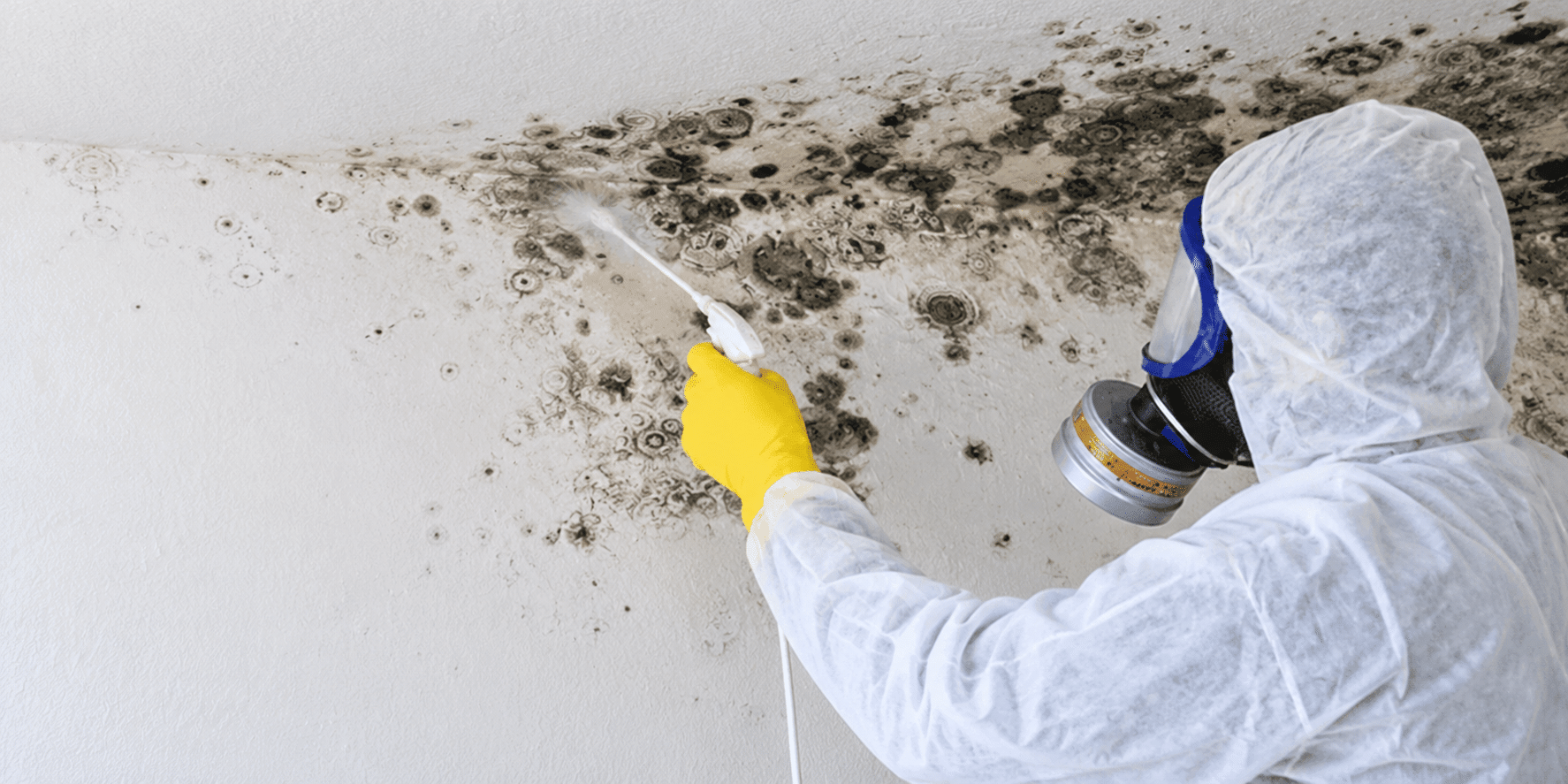
How to mitigate mold starts with finding the moisture source and stopping it before cleanup begins. Mold can grow after leaks, floods, condensation, or high humidity. It may also stay hidden behind walls, under floors, or near HVAC systems. A-Best Abatement helps property owners identify mold concerns and choose a safe plan for mold remediation in homes and businesses.
At A-Best Abatement, we understand that mold is not only a surface problem. If the cause is not fixed, mold can return after cleaning. That is why proper inspection, moisture control, and safe cleanup are important for addressing mold and reducing the risk of future growth.
What You Should Know
The best mold plan depends on the affected area, moisture source, and materials involved. Small surface growth may need a different response than widespread or hidden growth. Acting early can limit damage and reduce the chance of mold spreading.
- Find and fix the moisture source.
- Inspect areas where mold may be hidden.
- Protect people during cleanup.
- Clean or remove affected materials.
- Keep the area dry afterward.
Why Is Mold Growing in Your Property?
Mold needs moisture to grow. Common causes include leaking pipes, roof leaks, flooding, condensation, and high indoor humidity. Mold can also develop when wet materials are left to dry too slowly. Finding and fixing the moisture source is an important part of controlling mold growth. Mold can grow in homes and commercial buildings. It may appear on drywall, wood, carpet, ceilings, insulation, and other surfaces.
How to Mitigate Mold by Controlling Moisture
Moisture control is one of the most important steps in preventing mold from returning. Cleaning mold without fixing the water source can lead to repeat growth. Wiping a damp wall, for example, will not solve a leaking pipe or foundation problem.
Fix leaks quickly and dry wet areas as soon as possible. These steps can reduce the chance of new mold growth and help protect building materials.
Helpful moisture control steps include:
- Repair leaks as soon as possible.
- Use a dehumidifier when humidity is high.
- Improve airflow in damp areas.
- Keep gutters and drainage systems working properly.
How to Mitigate Mold Safely During Cleanup
Mold cleanup should be planned with safety in mind. Disturbing mold can release spores into the air. People who are sensitive to mold may need to avoid cleanup work.
Do not simply paint over mold or cover it with another material. The affected surface should be cleaned or removed as appropriate, and the moisture problem should be corrected first. Porous materials can be difficult to clean completely when mold has grown deep inside. Before cleanup, consider the affected area’s size, hidden growth, porous materials, major water damage, and whether anyone may be sensitive to mold exposure.
When Is Professional Mold Remediation Needed?
Professional mold remediation may be the better option when mold is widespread, recurring, or hidden inside building materials. It can also help after major water damage or when the moisture source is difficult to identify.
Mold remediation is more than wiping visible mold from a surface. A professional plan can include inspection, containment, treatment, removal of affected materials, drying, and corrective work.
What Happens During Mold Remediation?
The remediation process should be based on the property’s condition. The work area may then be contained to reduce the spread of mold and contaminated dust. Depending on the materials involved, cleaning, treatment, removal, drying, and other corrective steps may follow. A-Best Abatement describes inspection, containment, and treatment as key parts of its approach.
A typical process may include:
- Inspection and assessment
- Containment of affected areas
- Cleaning or removal
- Drying and dehumidification
- Corrective moisture work
Residential Mold Removal vs. Commercial Mold Removal
Residential mold removal often focuses on protecting living spaces while addressing moisture and affected materials. Commercial mold removal can involve larger areas, more occupants, business operations, and complex building systems.
The basic goal is the same: control moisture, contain the affected area, remove or clean mold, and prevent future growth. Businesses may need extra planning because mold can affect offices, retail spaces, schools, warehouses, and other occupied buildings. Work may need to be scheduled around employees, customers, equipment, and building access.
How to Mitigate Mold in Hidden Areas
Hidden mold can be difficult to find because it may not create an obvious visual sign. A strong musty odor, unexplained water damage, or repeated mold growth can point to a hidden moisture problem. Different types of mold, including common varieties such as Cladosporium, Aspergillus, and Penicillium, may grow in damp indoor areas.
Mold may be found behind drywall, above ceilings, under flooring, inside insulation, or around plumbing and HVAC systems. Avoid opening walls or removing materials without understanding what may be inside. A professional inspection can help identify hidden growth and determine the right approach for mold remediation.
Mold Cleanup and Mold Mitigation: What Is the Difference?
Mold cleanup usually refers to removing mold from affected surfaces or materials. Mold mitigation is broader and aims to reduce the spread and impact of mold while addressing conditions that support its growth.
The terms can overlap, but removing visible mold is only part of the job. The moisture source also needs attention. Otherwise, new growth may appear after cleanup.
A complete response may include:
- Identifying the source
- Containing affected areas
- Cleaning or removing damaged materials
- Drying the space
- Correcting moisture problems
- Monitoring for future growth
How to Mitigate Mold After Water Damage
Water damage should be addressed quickly because wet materials can create conditions for mold growth. This is especially important after flooding, plumbing failures, roof leaks, or appliance leaks.
Start by stopping the water source. Then remove standing water, dry affected materials, and check areas that may have absorbed moisture. Materials that cannot be dried or cleaned properly may need removal.
How to Mitigate Mold in Basements and Other Damp Areas
Basements, crawl spaces, attics, bathrooms, and areas around HVAC systems can be more likely to develop mold because they may have higher moisture levels. Good airflow and moisture control can reduce the risk. Check these areas after heavy rain, plumbing leaks, or changes in indoor humidity. If a musty odor continues, an inspection can help identify hidden mold or moisture.
How to Mitigate Mold Without Spreading It
Containment can help reduce the movement of mold and contaminated dust into clean parts of a building. This is especially important when affected drywall, flooring, insulation, or other materials must be disturbed. Good containment limits access to affected areas and helps protect clean parts of the building during cleanup.
When Should You Call a Mold Professional?
A mold professional can help when the problem is large, hidden, recurring, or linked to major water damage. Professional support may also be useful when you are unsure whether a material can be safely cleaned or needs removal.
Consider professional support when:
- Mold keeps returning after cleaning.
- You cannot find the moisture source.
- The affected area is extensive.
- Hidden mold is suspected.
- Major flooding or water damage has occurred.
How to Mitigate Mold and Prevent It From Returning
Long-term prevention starts with moisture control. After cleanup, continue checking for leaks, condensation, humidity, and water intrusion. A clean surface can still develop mold if moisture remains.
Regularly check plumbing, roofs, gutters, drainage, windows, and HVAC systems. In damp areas, use ventilation or dehumidification as needed.
Simple prevention steps include:
- Fix leaks quickly.
- Keep indoor humidity under control.
- Dry wet materials promptly.
- Improve airflow in damp spaces.
- Check areas with past water damage.
- Keep drainage systems clear.
A-Best Abatement’s Approach to Mold Remediation
A-Best Abatement takes a structured approach to mold remediation. Its process includes inspection, containment, and treatment, with attention to the source of the problem. The company also uses filtration, dehumidification, antimicrobial products, and other methods as part of its mold service approach.
The goal is to understand the full issue and help prevent mold from returning. A-Best Abatement serves homes and businesses across Maine, Massachusetts, New Hampshire, and Rhode Island.
Final Thoughts
Knowing how to mitigate mold means looking beyond visible growth. Start by finding the moisture source, assess the affected area, and choose a safe cleanup plan. Proper moisture control is essential because mold can return when damp conditions remain.
Small problems may sometimes be suitable for basic cleaning. Larger, hidden, or recurring problems may require professional mold remediation. A-Best Abatement can inspect the property, identify the source, contain affected areas, and develop a treatment plan. If you suspect mold in your home or business, contact A-Best Abatement today to discuss your inspection and remediation needs.
Frequently Asked Questions
Yes. Mold can grow from hidden leaks, condensation, high humidity, or damp materials even when there is no obvious water damage.
Mold can return quickly if the moisture source remains. Fixing leaks and controlling humidity are important for preventing new growth.
Not always, but a persistent musty smell can indicate hidden mold or excess moisture and should not be ignored.
Yes. Mold can develop in residential and commercial buildings wherever moisture and suitable materials are present.
Professional help may be appropriate for extensive, hidden, recurring mold or mold associated with significant water damage.