Is White Mold Dangerous? A Property Owner’s Guide to White Mold Risks
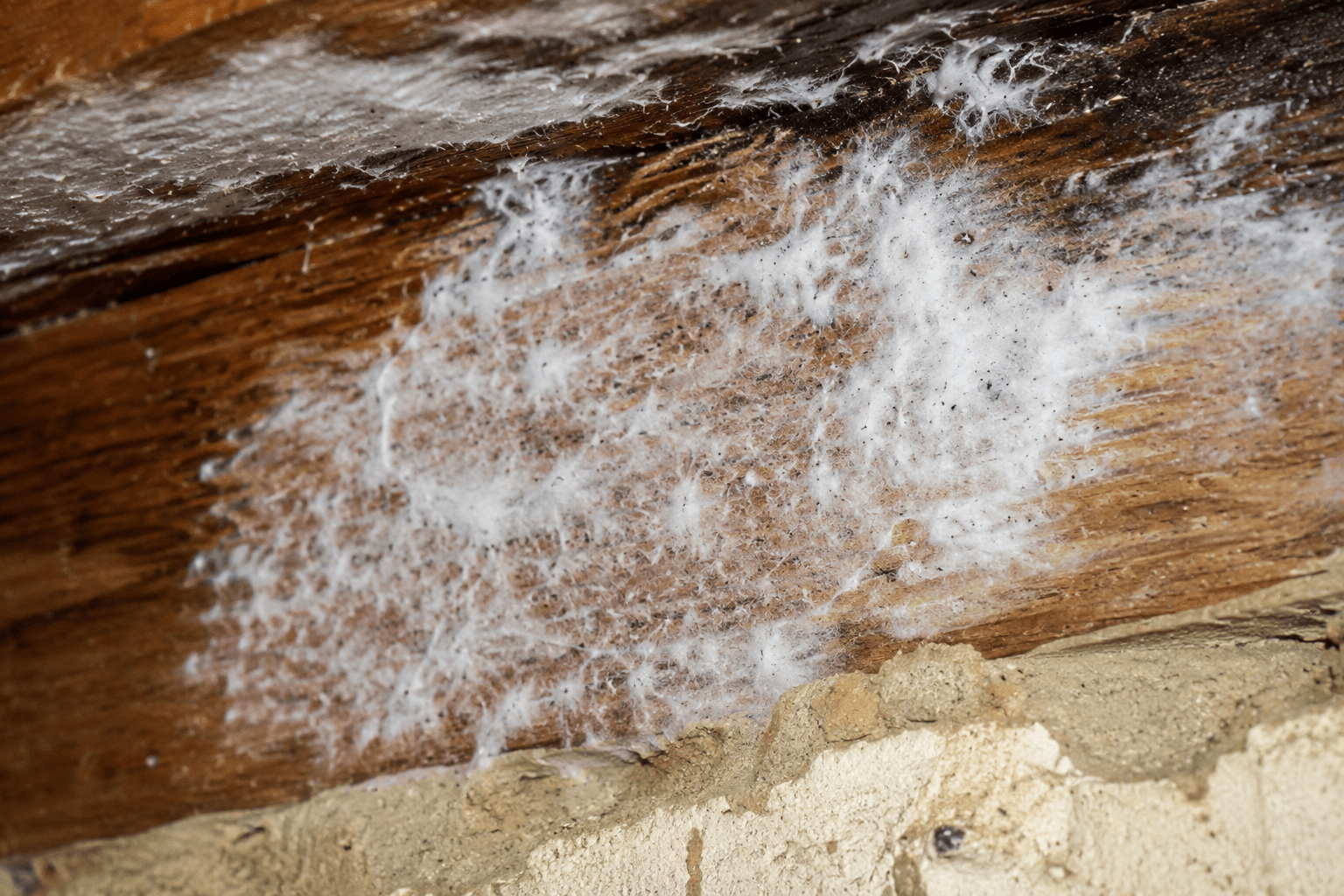
White mold is a common type of fungal growth that develops in damp areas of homes and commercial buildings. It often appears as white, fuzzy, or powdery patches on materials such as wood, drywall, insulation, and concrete. Because it can resemble dust or mildew, many property owners overlook it until it has spread. White mold usually forms when excess moisture from leaks, flooding, high humidity, or poor ventilation remains untreated. If left unchecked, it can damage building materials, reduce indoor air quality, and become more difficult and costly to remove.
At A-Best Abatement, we provide professional mold inspection and mold remediation services to help property owners identify the source of moisture and safely remove mold from affected areas. Our experienced team uses industry-approved methods to contain mold, eliminate contaminated materials when necessary, and recommend solutions that help prevent future growth. Whether you have mold in your attic, basement, crawl space, or another part of your property, we are committed to restoring a healthier and safer indoor environment.
Key Takeaways
- White mold is a type of fungal growth caused by excess moisture.
- It can appear in basements, attics, crawl spaces, and on wood.
- Early mold inspection helps prevent larger damage.
- Moisture control is the best way to stop mold from returning.
- Professional mold remediation is often the safest solution for widespread mold.
What Is White Mold?
White mold is a group of mold species that appear white, gray, or light cream during their early stages. Unlike mildew, white mold often grows deeper into porous materials such as drywall, wood, insulation, and cardboard. As it matures, its color may change depending on the mold species and surrounding conditions.
Common characteristics include:
- Cotton-like or fuzzy appearance
- Growth on damp building materials
- Spreading in humid environments
- Musty odors in affected spaces
Because many materials look similar when damaged by water, proper mold identification is essential before deciding on treatment.
Is White Mold Dangerous?
White mold can become dangerous if it continues growing unchecked. While not every mold species produces harmful toxins, any indoor mold may affect air quality and damage building materials over time. People with allergies, asthma, or weakened immune systems may experience stronger reactions.
Possible concerns include:
- Sneezing and coughing
- Eye irritation
- Skin irritation
- Worsening asthma symptoms
- Property damage caused by ongoing moisture
In addition, white mold often indicates hidden moisture damage behind walls, beneath flooring, or inside insulation. Finding the mold without fixing the water source usually leads to future growth.
What Causes White Mold to Grow?
White mold needs moisture and organic material to survive. Once water enters a building through leaks, flooding, or high humidity, mold spores can begin growing within one to two days.
Common causes include:
- Roof leaks
- Plumbing leaks
- High indoor humidity
- Poor ventilation
- Flood damage
- Condensation around windows or pipes
Keeping moisture under control is the most effective way to prevent mold problems before they become expensive repairs.
Where Does White Mold Usually Appear?
White mold grows in places where moisture remains trapped for long periods. Some locations are more vulnerable because they receive less airflow and stay damp after leaks or humidity changes.
Attic Mold
Attics often develop mold because of roof leaks, poor insulation, or inadequate ventilation. Warm indoor air rising into a cool attic creates condensation that feeds mold growth.
Signs include:
- White patches on roof decking
- Mold on wooden beams
- Damp insulation
- Musty odors
Ignoring attic mold may eventually weaken wooden structural components.
Basement Mold
Basements naturally have higher humidity than other parts of a building. Water seepage through foundation walls and poor drainage create ideal conditions for mold.
Watch for:
- White growth on concrete walls
- Mold on wooden framing
- Damp carpeting
- Water stains
Basement mold often spreads behind finished walls before becoming visible.
Crawl Spaces
Crawl spaces remain cool and damp throughout much of the year. Standing water and poor ventilation allow mold colonies to grow on wood joists and insulation.
Bathrooms and Laundry Rooms
Frequent moisture from showers and appliances creates ideal growing conditions, especially when exhaust fans are not used properly.
How to Identify White Mold
Many homeowners confuse white mold with mineral deposits or dust. Professional mold inspection helps determine whether the material is actually mold and identifies the moisture source causing it.
Common signs include:
- Fuzzy white patches
- Musty smells
- Soft or damaged drywall
- Peeling paint
- Water stains nearby
Professionals may also use moisture meters and laboratory testing when necessary to confirm the mold species.
Why Moisture Damage Makes Mold Worse
Moisture is the main reason mold continues spreading indoors. Even after visible mold is cleaned, hidden water allows new colonies to form.
Common sources of moisture damage include:
- Broken plumbing
- Roof failures
- Flooding
- Condensation
- Foundation leaks
Addressing water problems first greatly improves the success of mold remediation.
White Mold Removal: Why Professional Help Matters
Small surface mold may sometimes be cleaned safely, but larger infestations require specialized equipment and proper containment. Disturbing mold without precautions can spread spores throughout the property. Professional contractors who handle mold problems may also address other environmental hazards, such as asbestos siding removal, when hazardous building materials are present and require specialized handling.
Professional white mold removal usually includes:
- Complete mold inspection
- Moisture detection
- Containment of affected areas
- Safe removal of contaminated materials
- Air filtration
- Cleaning and sanitizing
- Moisture correction recommendations
Professionals also verify that mold has been removed successfully before restoration begins.
How Mold Remediation Differs From Simple Cleaning
Cleaning removes visible mold from surfaces. Mold remediation goes much further by addressing the cause of mold and reducing the chance of future growth.
A complete remediation process often includes:
- Identifying moisture sources
- Removing contaminated materials
- Cleaning affected surfaces
- Drying the structure
- Improving ventilation
- Preventing future mold growth
This approach provides a longer-lasting solution than surface cleaning alone.
Can White Mold Damage Your Property?
Yes. Over time, mold feeds on many common building materials. The longer it remains untreated, the greater the repair costs become.
Possible damage includes:
- Weak wooden framing
- Damaged drywall
- Ruined insulation
- Flooring deterioration
- Reduced indoor air quality
Early action often saves significant repair expenses.
How to Prevent White Mold
Preventing mold begins with moisture control. Regular inspections and quick repairs reduce the risk of fungal growth inside your property.
Helpful prevention tips include:
- Repair plumbing leaks quickly.
- Improve ventilation in humid rooms.
- Keep indoor humidity below 50%.
- Use dehumidifiers in damp spaces.
- Inspect roofs regularly.
- Dry wet materials within 24 to 48 hours.
Routine maintenance is much less expensive than large-scale mold removal.
When Should You Schedule a Mold Inspection?
Many property owners wait until mold becomes visible, but hidden mold often spreads long before that happens. Scheduling a professional inspection after water damage can prevent larger problems later.
You should consider an inspection if:
- You smell musty odors.
- Your property recently flooded.
- You notice water stains.
- Family members experience allergy symptoms indoors.
- You discover visible mold growth.
Early inspections help identify hidden problems before structural damage becomes severe.
White Mold and Other Home Environmental Hazards
Some older buildings may contain additional environmental hazards besides mold. During renovations, professionals sometimes discover materials requiring specialized handling, such as asbestos siding removal or asbestos vermiculite cleanup. Qualified asbestos abatement companies follow strict safety procedures to remove these materials while protecting occupants.
Conclusion
White mold should never be ignored. Although it may appear harmless at first, it often signals hidden moisture problems that can damage your property and reduce indoor air quality. Early mold identification, timely mold inspection, and professional white mold removal help stop fungal growth before it spreads further. By fixing moisture issues and investing in proper mold remediation, property owners can protect both their buildings and the people inside.
Need professional help with mold concerns? Contact our team today to schedule a thorough inspection and receive expert mold remediation solutions for your property.
Frequently Asked Questions
White mold can affect indoor air quality and may trigger allergy or asthma symptoms in some people. While not all white mold produces toxins, it should be removed promptly to prevent health concerns and property damage.
White mold usually appears as fuzzy, powdery, or cotton-like patches on wood, drywall, insulation, concrete, or other damp surfaces. It may also turn gray or green as it grows.
Small areas of mold on non-porous surfaces may be cleaned safely. However, if the mold covers a large area, keeps returning, or has spread into porous materials, professional white mold removal is recommended.
White mold is commonly found in damp areas such as basements, attics, crawl spaces, bathrooms, and around water-damaged walls or ceilings where moisture remains trapped.
The best way to prevent white mold is to eliminate moisture problems. Fix leaks quickly, improve ventilation, control indoor humidity, and schedule regular mold inspections after any water damage