Signs of Mold Behind Walls and What to Do Next
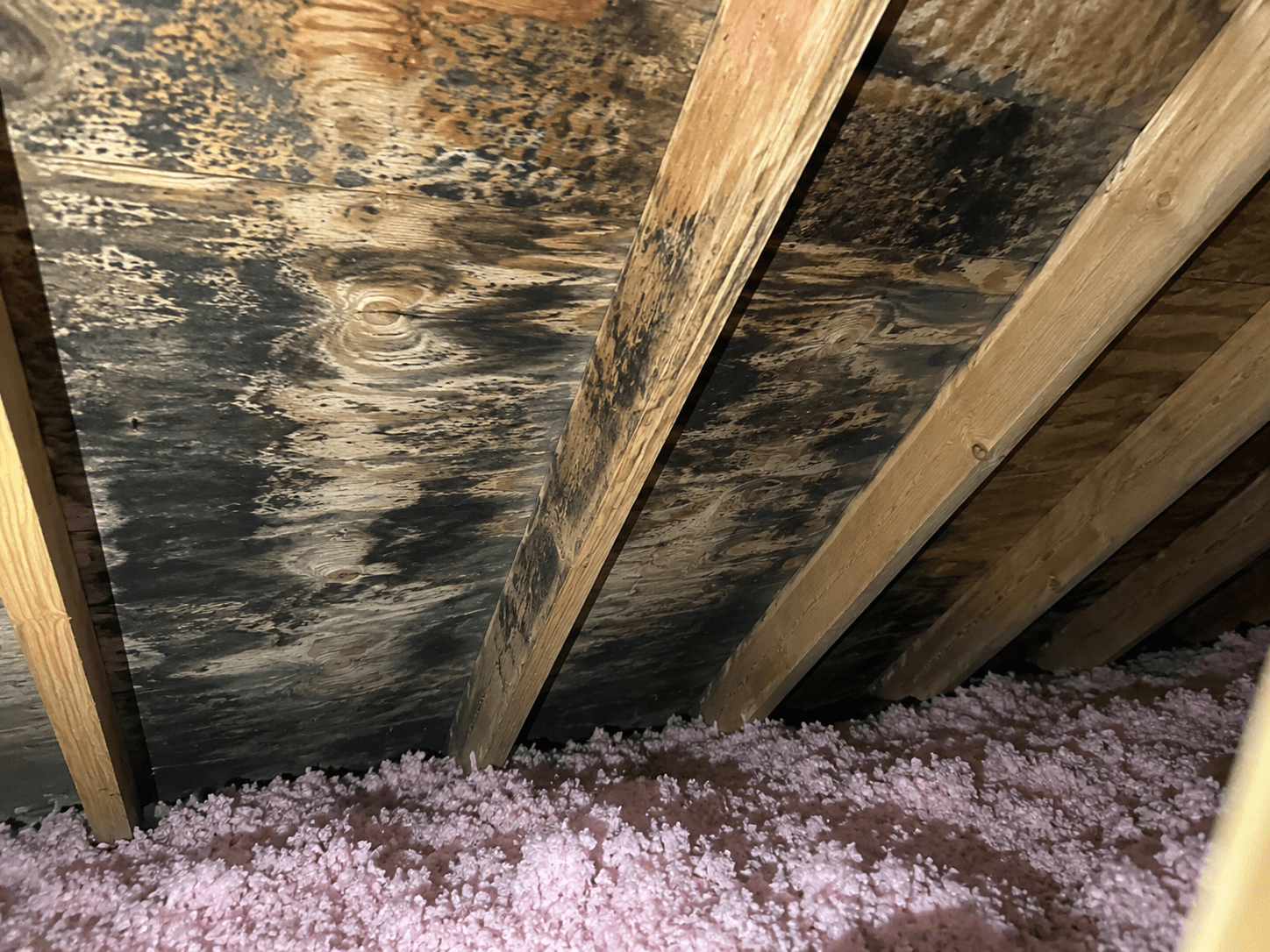
A black mold test kit can be a helpful starting point if you think mold may be growing behind your walls. The challenge is that mold often develops out of sight, making it difficult to spot until it has already caused damage. A small plumbing leak, roof leak, or excess moisture inside the wall can create the perfect environment for mold to spread. Knowing what signs to look for and arranging a professional mold inspection early can save you from costly repairs and protect your family’s health. If you suspect mold in your home or business, the experienced team at A-Best Abatement can help locate the source and recommend the safest solution.
Key Takeaways
- A black mold test kit can help identify possible mold, but it shouldn’t replace a professional inspection.
- Hidden mold often develops behind walls after leaks or ongoing moisture problems.
- A musty smell is usually one of the first warning signs.
- Professional mold testing provides more reliable results than DIY methods.
- Finding mold early helps reduce repair costs and protects indoor air quality.
- Fixing the moisture source is the best way to stop mold from returning.
Why Does Mold Grow Behind Walls?
Most people are surprised to learn how quickly mold can grow. It doesn’t need sunlight or a large amount of water. All it needs is moisture, a surface to grow on, and enough time. Since the inside of a wall is dark and rarely disturbed, it creates an ideal place for mold to spread if moisture gets trapped inside.
Water from leaking pipes, roof damage, condensation, or flooding can soak into drywall and insulation without leaving obvious signs on the surface. As the moisture remains trapped, mold begins to grow quietly behind the wall, often long before homeowners realize there’s a problem. If your property has experienced significant water damage or is undergoing renovation, it’s also worth consulting experienced asbestos removal contractors, as older buildings may contain hazardous materials that require safe handling alongside mold remediation.
Some of the most common causes include:
- Leaking plumbing pipes
- Roof leaks after heavy rain
- Flood or storm damage
- High indoor humidity
- Poor ventilation in bathrooms or laundry rooms
Can a Black Mold Test Kit Detect Hidden Mold?
If you’ve noticed a musty smell or signs of moisture, using a black mold test kit may seem like the quickest way to find out if mold is present. These kits can detect mold spores on surfaces or in the air and may provide an early indication that something isn’t right.
However, it’s important to understand their limitations. A DIY kit can’t tell you exactly where the mold is growing or how far it has spread. It also can’t determine whether the mold is hidden inside a wall or under building materials.
That’s why professionals often recommend using a test kit as an initial screening tool rather than a final answer. If the results suggest mold is present, the next step should be arranging a professional inspection.
Common Signs of Mold Behind Walls
One of the biggest challenges with mold is that you usually can’t see it straight away. Instead, your home gives you small warning signs that are easy to overlook. Recognizing these early Signs of Mold can help you take action before the problem spreads and causes costly damage. By paying attention to these clues, you can address moisture issues early and protect both your property and your indoor air quality.
Let’s look at the most common signs.
A Musty Smell That Doesn’t Go Away
A persistent musty smell is often the first clue that mold is growing somewhere out of sight. You may clean the room, open the windows, or use air fresheners, but the smell keeps returning.
This usually happens because the mold isn’t on the surface—it’s growing inside the wall cavity where normal cleaning can’t reach it. If an unpleasant damp smell lingers for weeks, it’s worth investigating further.
Water Stains, Bubbling Paint, or Peeling Wallpaper
Changes to your walls can often tell you that moisture is trapped underneath. Paint may begin to bubble, wallpaper might peel away, or brown water stains can suddenly appear.
These signs don’t always confirm mold, but they do indicate that water has been sitting inside the wall long enough to cause damage. If left untreated, mold behind drywall can begin to spread without being visible from the outside.
Health Symptoms That Improve When You Leave Home
Sometimes your body notices mold before your eyes do. If you or your family experience sneezing, coughing, itchy eyes, headaches, or congestion that seems worse indoors, poor indoor air quality could be the reason.
While these symptoms can have many causes, they shouldn’t be ignored, especially if they improve after leaving the building. Hidden mold is one possible explanation and should be investigated by a professional.
Professional Mold Inspection vs DIY Testing
Home testing kits can provide helpful information, but they only tell part of the story. While they may indicate that mold is present, they can’t show how far it has spread or identify the moisture source that’s causing the problem. This is also where many homeowners misunderstand mold removal vs mold remediation. Simply cleaning visible mold isn’t enough if hidden moisture and contamination remain behind the walls.
A professional mold assessment takes a much more thorough approach. Experienced technicians inspect the property, locate the source of moisture, assess the extent of the mold growth, and recommend the most effective remediation plan. Instead of treating only what’s visible, they address the underlying cause to help prevent mold from returning.
A professional inspection may include:
- A detailed visual inspection
- Moisture readings throughout the property
- Air or surface sampling when needed
- Locating the source of water intrusion
- A written report with recommended next steps
How Professionals Find Mold Behind Walls
Hidden mold often requires specialized equipment to locate without opening unnecessary sections of the wall. Rather than relying on guesswork, professionals use advanced technology to identify areas with excess moisture and possible mold growth.
One of the most effective tools is a moisture meter. This device measures the moisture content inside drywall, timber, and other building materials. Higher readings often point to hidden leaks or damp areas where mold is likely to develop.
Depending on the situation, technicians may also use thermal imaging cameras, borescopes, and other mold detection methods to confirm the presence of mold while causing as little disruption to your property as possible.
Why Ignoring Wall Mold Can Become Expensive
It can be tempting to ignore a small stain or a faint musty smell, especially if everything else seems normal. Unfortunately, mold rarely stays in one place. As long as moisture is present, it can continue to spread through drywall, insulation, and timber framing.
Ignoring wall mold may lead to:
- Damage to walls and ceilings
- Poor indoor air quality
- Higher remediation costs
- Structural repairs in severe cases
The sooner the problem is identified, the easier—and often less expensive—it is to resolve.
What Happens If Mold Is Found Behind Your Walls?
Discovering mold inside your walls can be stressful, but it doesn’t always mean your home has suffered severe damage. The most important step is finding out how far the mold has spread and identifying the source of the moisture. If the leak or dampness isn’t fixed first, the mold will likely return, even after cleaning.
A professional remediation team will inspect the affected area, isolate it to prevent spores from spreading, safely remove contaminated materials if needed, and dry the area thoroughly before restoration begins. This process helps ensure the problem is dealt with properly rather than temporarily covered up.
Can You Remove Mold Behind Walls Yourself?
Many homeowners wonder whether they can tackle mold on their own. If the mold is hidden behind drywall, it’s usually best to leave the job to professionals. Cutting into walls without knowing how far the mold has spread can release thousands of mold spores into the air and make the problem worse.
Before deciding to clean it yourself, ask these questions:
- Has the water leak been repaired?
- Do you know how much mold is actually present?
- Is the mold confined to one small area?
- Could disturbing the wall spread spores throughout the home?
If you’re unsure about any of these, it’s safer to seek professional help. Proper equipment and containment methods can prevent further contamination and protect your indoor air quality.
How to Prevent Mold from Growing Behind Walls
The best way to avoid mold problems is to control moisture before it has a chance to build up. Even small leaks can create the damp conditions mold needs to grow, so early action makes a big difference.
A few simple habits can help protect your home:
- Repair plumbing leaks as soon as they’re discovered.
- Fix roof leaks before water reaches interior walls.
- Use exhaust fans in bathrooms, kitchens, and laundry rooms.
- Keep indoor humidity at recommended levels.
- Dry wet carpets, drywall, and insulation quickly after water damage.
Regular maintenance may seem simple, but it can save you from costly repairs and extensive mold remediation later.
When Should You Schedule a Professional Inspection?
Some mold problems are easy to spot, while others remain hidden for months. If you’ve noticed ongoing moisture issues or unexplained musty smells, it’s worth having your property checked before the problem becomes more serious.
You should arrange an inspection if:
- A damp smell doesn’t disappear.
- Water stains continue to spread.
- Mold keeps returning after cleaning.
- Your home has recently experienced flooding or leaks.
- Family members experience allergy symptoms that seem worse indoors.
An early inspection can often identify the problem before major structural damage occurs, giving you more options and potentially reducing repair costs.
Conclusion
Mold hiding behind walls often goes unnoticed until it starts causing visible damage or affecting indoor air quality. While a black mold test kit can be a useful first step, it shouldn’t be relied on as the only way to assess a potential mold problem. Professional inspections provide a much more accurate understanding of what’s happening behind your walls and help ensure the right solution is applied.
The sooner you deal with moisture problems and investigate warning signs like musty odors, peeling paint, or unexplained water stains, the easier it is to prevent costly repairs and protect your property. Taking action early can also reduce health risks and stop mold from spreading to other areas of your home or business.
If you suspect mold is growing behind your walls, don’t wait until the damage becomes more extensive. Contact A-Best Abatement today to schedule a professional mold inspection and let our experienced team help restore a safe, healthy environment for your property.
Frequently Asked Questions
No. A black mold test kit can indicate that mold spores may be present, but it cannot confirm exactly where the mold is growing or how severe the problem is. A professional inspection provides a much clearer picture.
In the right conditions, mold can begin developing within 24 to 48 hours. That's why it's important to dry affected areas and repair leaks as soon as possible.
Hidden mold can affect indoor air quality and may trigger allergy or respiratory symptoms in some people. If left untreated, it can also damage drywall, timber, insulation, and other building materials.
It can. If the source of the moisture isn't fixed, mold is likely to return. Successful remediation always includes addressing the underlying cause, not just removing the visible mold.