Vermiculite Asbestos Removal: What Homeowners Need to Know
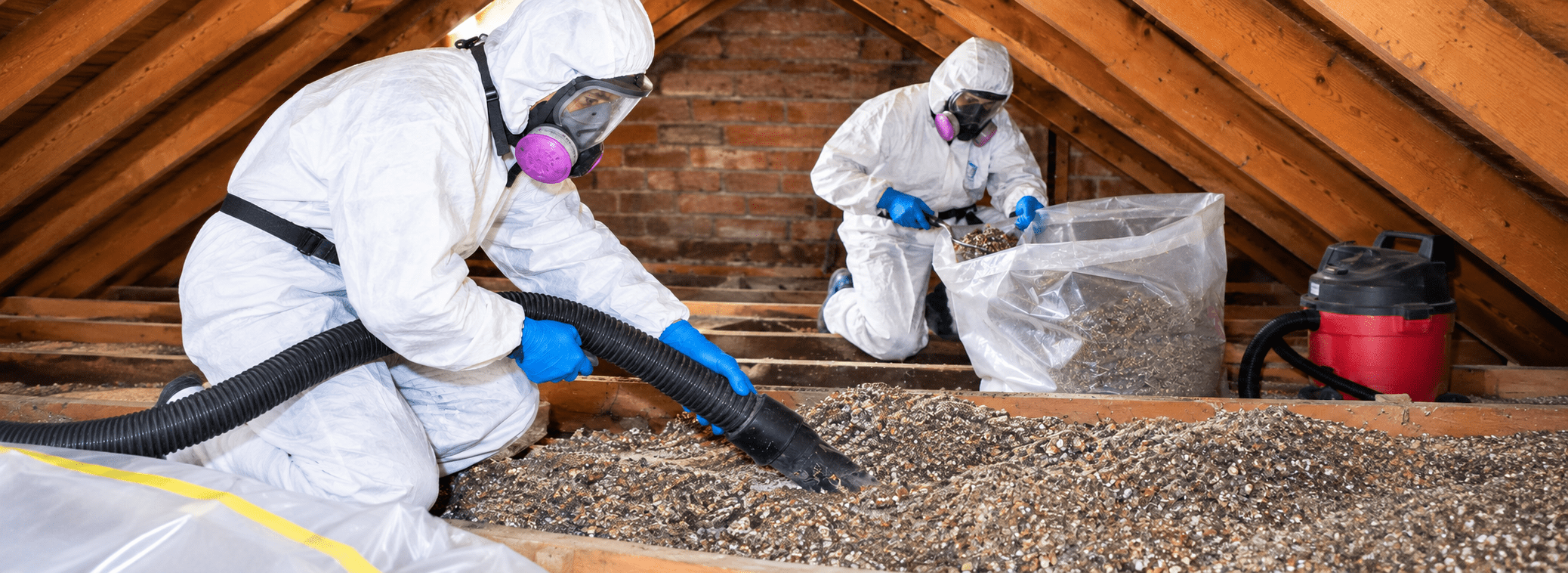
Vermiculite asbestos removal can become an important concern when old insulation is found in an attic, wall, or another part of a home. Vermiculite is a lightweight insulation material that was commonly used in older buildings. Some vermiculite insulation may be contaminated with asbestos, making careful handling important when the material could be disturbed.
If you discover loose, pebble-like Vermiculite Insulation in your home, do not assume it is safe based on its appearance. A-Best Abatement can help property owners understand what they may be dealing with and determine what steps should be taken before cleaning, renovation, or demolition begins. A professional assessment can help identify the material and guide the safest approach for the property.
Key Takeaways
Vermiculite insulation is not automatically asbestos containing, but some older products may have asbestos contamination. Because you cannot reliably identify asbestos by appearance alone, it is best to avoid disturbing questionable insulation.
- Vermiculite insulation may have a loose, pebble-like appearance.
- Some vermiculite products may be contaminated with asbestos.
- Appearance alone cannot confirm whether asbestos is present.
- Moving or disturbing suspect insulation can create unnecessary exposure risks.
- Professional evaluation may be needed before renovation or removal.
What Is Vermiculite Insulation?
Vermiculite is a naturally occurring mineral that expands when heated. Its lightweight structure made it useful as insulation in attics and other parts of buildings. It can appear as small, loose pieces that may be gray, silver, brown, or gold. Older homes may still contain this type of insulation. The presence of vermiculite does not automatically mean that asbestos is present. However, certain vermiculite insulation products were associated with asbestos contamination. This is why homeowners should not try to identify the material based only on color or texture. Professional evaluation can provide a safer way to understand what is present.
You may find vermiculite insulation in:
- Attics
- Wall cavities
- Around older heating systems
- Ceiling spaces
- Areas that have not been renovated for many years
Why Is Vermiculite Associated with Asbestos?
The concern comes from the source of some vermiculite products. Certain vermiculite insulation was produced using material from a mine in Libby, Montana, where the ore was naturally contaminated with asbestos. This does not mean every piece of vermiculite insulation contains asbestos. However, homeowners should take appropriate precautions when older vermiculite is discovered.
The main concern is disturbance. Sweeping, moving, drilling, vacuuming, or removing the insulation can potentially release particles into the air. For this reason, it is better to leave questionable insulation undisturbed until a qualified professional can assess the situation.
Can You Tell If Vermiculite Contains Asbestos?
Unfortunately, you cannot confirm the presence of asbestos simply by looking at vermiculite. Color, size, and texture are not reliable ways to determine whether asbestos is present. If you discover suspicious insulation, avoid handling it unnecessarily. Do not move it around just to get a closer look or attempt to collect a sample without knowing the proper procedure.
Homeowners can take a few simple precautions:
- Keep people away from the affected area.
- Avoid sweeping or disturbing the insulation.
- Do not use a regular household vacuum on it.
- Avoid storing items directly in the material.
- Get professional guidance when asbestos may be involved.
These steps can help reduce unnecessary disturbance while the material is being evaluated.
When Is Vermiculite Asbestos Removal Necessary?
Finding vermiculite does not always mean that immediate removal is required. In some situations, leaving material undisturbed may be considered. The right approach depends on the condition of the insulation and whether planned work will disturb it.
Removal may become necessary or recommended when:
- The insulation is damaged or already disturbed.
- Renovation will affect the area.
- New insulation needs to be installed.
- The attic requires major repairs.
- The material presents a potential exposure concern.
- A qualified professional recommends removal.
If you are planning a renovation, dealing with the insulation issue before construction begins can make the rest of the project easier to manage.
What Is Involved in Vermiculite Asbestos Removal?
Professional vermiculite asbestos removal is different from ordinary attic cleaning. The work needs to be carefully planned to reduce disturbance and prevent contamination from spreading to other areas. The exact process will depend on the property and the condition of the insulation. A qualified professional can assess the space and determine the appropriate work practices.
The project may involve:
- Inspecting the affected area
- Establishing a controlled work zone
- Limiting access to the area
- Using appropriate protective equipment
- Carefully removing affected insulation
- Packaging and handling waste correctly
- Cleaning the work area after removal
The purpose is not simply to get the insulation out. Proper procedures help manage the material safely throughout the project.
What Is Asbestos Vermiculite Cleanup?
Asbestos vermiculite cleanup requires more care than normal insulation cleanup because disturbing suspect material can create airborne dust. Homeowners should avoid treating old vermiculite like ordinary household debris. The cleanup approach depends on whether asbestos is confirmed or suspected, the condition of the material, and the size and location of the affected area.
A professional cleanup may focus on:
- Controlling the work area
- Preventing unnecessary disturbance
- Protecting workers and occupants
- Removing affected material using appropriate methods
- Managing debris and waste properly
- Cleaning the area after the work is complete
If you suspect that vermiculite insulation contains asbestos, getting professional guidance before starting cleanup is a safer approach than attempting the work yourself.
Why Should You Avoid DIY Vermiculite Removal?
Removing old attic insulation may seem like a straightforward home improvement task. However, the situation changes when asbestos could be present. Disturbing suspect insulation can create dust and potentially spread contaminated material. Activities such as sweeping, raking, or using an ordinary vacuum may make the problem worse. Professional asbestos work involves planning and procedures designed to control the work area and limit unnecessary exposure.
What Should You Do Before an Attic Renovation?
Attic renovations often involve removing old insulation, repairing roofs, installing new insulation, or improving ventilation. If vermiculite is already present, it should be considered before work starts. Taking care of the issue early can prevent an unexpected interruption once construction is underway.
Before beginning an attic renovation, consider:
- Identifying the existing insulation
- Avoiding unnecessary contact with old materials
- Discussing the insulation with your contractor
- Getting professional assessment when appropriate
- Determining whether removal is needed
- Planning the project around any required asbestos work
Early planning is especially useful when walls, ceilings, insulation, or other building materials will be disturbed.
How Do Demolition Contractors Handle Suspect Materials?
Older homes can contain more than one type of building material that requires careful attention. During demolition, workers may uncover insulation or other materials that were not obvious during the initial planning stage. Experienced residential interior demolition contractors should understand that older properties may require additional assessment before certain materials are disturbed. When asbestos is suspected, demolition work may need to be coordinated with qualified asbestos professionals.
This can help reduce the risk of accidentally disturbing suspect materials during:
- Wall removal
- Ceiling removal
- Flooring projects
- Attic renovations
- Interior remodeling
- Structural changes
Proper planning before demolition can help protect workers, occupants, and the surrounding property.
Choosing a Professional Asbestos Removal Company
Choosing the right company is important when asbestos may be involved. Look for professionals who understand asbestos-related work and can explain the process clearly. Avoid choosing a company based only on the lowest price. The quality of planning, containment, removal, and cleanup can be just as important as the cost.
When comparing companies, ask about:
- Experience with vermiculite insulation
- Asbestos-related training and qualifications
- The proposed removal process
- Work-area controls
- Cleanup procedures
- Waste handling
- Required testing or inspections
- Project communication
A-Best Abatement helps property owners address asbestos and other environmental concerns with a professional approach. Its team can help property owners understand the condition of affected areas and determine the appropriate next steps.
How Can Professional Removal Protect Your Property?
Asbestos removal is more than taking old insulation out of a building. The surrounding area also needs to be considered because careless handling can spread dust and debris. A carefully planned project can help control the affected space and reduce unnecessary disturbance during removal.
Depending on the situation, professional work may include:
- Establishing controlled work areas
- Limiting access during removal
- Using suitable protective equipment
- Carefully handling affected materials
- Managing waste appropriately
- Cleaning the area after the work
For general homeowner information about asbestos and renovation, it is important to follow applicable safety requirements and work with qualified professionals when dealing with potentially hazardous materials. Taking the right precautions can help reduce unnecessary exposure, protect surrounding areas, and keep the removal process organized from start to finish.
What Happens After Vermiculite Insulation Is Removed?
Once old insulation has been removed, the next step depends on the property’s needs. Homeowners may want to install new insulation, repair the attic, improve ventilation, or continue with a larger renovation. The area should be ready for the next stage before new materials are installed. This helps prevent old problems from being covered up during the renovation.
After removal, homeowners may consider:
- Installing new insulation
- Repairing attic damage
- Improving ventilation
- Addressing moisture issues
- Sealing unwanted air leaks
- Continuing planned renovation work
Moisture control is particularly important because leaks and poor ventilation can create other building problems over time.
How Can Homeowners Prevent Future Problems?
Once an asbestos-related insulation concern has been addressed, regular home maintenance can help protect the property. Pay attention to roof leaks, moisture, ventilation, and signs of damage in attic spaces. Simple steps include checking for water intrusion, keeping ventilation systems working properly, and avoiding unnecessary disturbance of old insulation. If you plan to renovate an older property, consider identifying potentially hazardous materials before construction begins. Early planning can help reduce surprises and make renovation work easier to organize.
Final Thoughts
Finding old vermiculite insulation in your home can understandably raise questions, especially when asbestos may be involved. The most important thing is to avoid disturbing the material until you know how it should be handled. Vermiculite asbestos removal should be approached carefully, with attention to safety, containment, proper handling, and applicable requirements. Whether you are planning an attic renovation or simply want to understand the insulation in your home, professional guidance can help you make a more informed decision. If you have vermiculite insulation or suspect asbestos in your property, contact A-Best Abatement to discuss your concerns and learn about the appropriate next steps.
Frequently Asked Questions
Vermiculite insulation often looks like small, loose pieces or granules with a pebble-like texture. It may appear gray, brown, silver, or gold. Appearance alone cannot confirm whether asbestos is present.
Work around the material should pause until it can be accurately assessed. Disturbing unknown insulation during remodeling may spread dust or debris, so professional guidance is recommended before continuing.
Yes, loose insulation can potentially move into nearby areas when it is disturbed. Foot traffic, air movement, renovation work, or improper cleanup may cause particles to spread beyond the original location.
Vermiculite insulation can remain in place for many years. Its age alone does not determine whether removal is necessary. The material's condition and the property's planned use are key factors.
Older insulation may be found in attics, wall cavities, ceilings, crawl spaces, and other enclosed building areas. During renovation, previously hidden insulation may become visible and require further assessment.