What Is Abatement in Construction? A Complete Guide for Property Owners
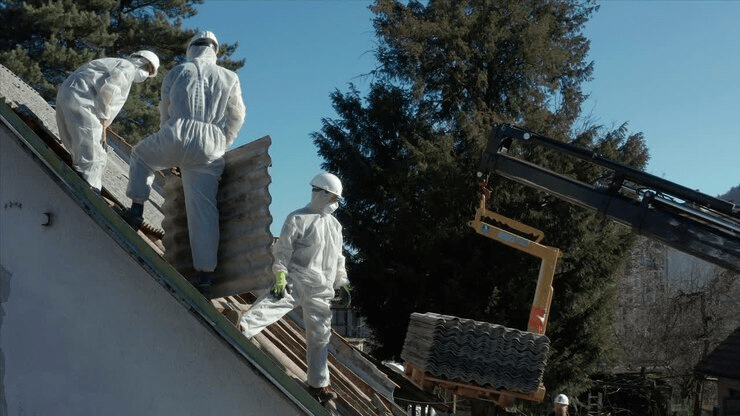
It is the process of safely identifying, removing, containing, or reducing dangerous materials before renovation, demolition, or repair work begins. Whether a building requires asbestos abatement, mold removal, or other hazardous material services, working with a trusted asbestos abatement company helps protect workers, occupants, and the surrounding environment. For property owners, understanding this process helps prevent health risks, avoid legal issues, and keep construction projects on schedule.
This reads naturally, maintains SEO value, and avoids keyword stuffing.
Key Takeaways
- Abatement in construction refers to the safe removal or control of hazardous materials before building work begins.
- Abatement protects people, buildings, and the environment.
- Different projects require different abatement methods depending on the material involved.
- Professional inspections help identify hidden hazards before construction starts.
- Hiring experienced contractors ensures work follows local and federal safety regulations.
What Is Abatement in Construction and Why Is It Important?
Many people ask, what is abatement in construction, because the term is often confused with general demolition or cleaning. In reality, abatement is a specialized process that focuses on removing or controlling hazardous materials before other construction work starts. The goal is to create a safer environment for everyone involved while reducing the risk of contamination.
Property owners also benefit from abatement because it helps prevent unexpected delays and expensive repairs. By addressing hazardous materials early, construction projects can move forward safely and efficiently.
Some of the main reasons abatement is important include:
- Protecting workers and building occupants
- Meeting environmental and safety regulations
- Preventing contamination from spreading
- Supporting safer renovation and demolition projects
What Materials Usually Require Abatement?
Not every building contains hazardous materials, but older properties are more likely to have products that require professional attention. These materials may remain hidden behind walls, above ceilings, or beneath flooring until renovation begins.
A proper inspection helps identify potential risks before construction starts. Once hazardous materials are confirmed, experts determine the safest removal method based on the property’s condition and local regulations.
Asbestos
One of the most well-known construction hazards is asbestos. It was commonly used in insulation, ceiling tiles, pipe coverings, roofing materials, and floor tiles because of its strength and heat resistance. In many older buildings, asbestos insulation removal is one of the most common services performed before renovation or demolition begins.
When asbestos-containing materials become damaged, tiny fibers can become airborne. Breathing these fibers over time may lead to serious health conditions. Professional removal helps reduce this risk while keeping the work area properly contained.
Mold
Excess moisture from leaks, flooding, or poor ventilation can lead to mold abatement. Mold spreads quickly in damp conditions and may damage wood, drywall, insulation, and other building materials.
Although small surface mold can sometimes be cleaned, widespread growth usually requires professional treatment to identify the moisture source and prevent future growth.
Lead-Based Paint
Buildings constructed before modern paint regulations may contain lead-based coatings. Lead abatement becomes necessary when renovation or demolition could disturb painted surfaces.
Proper containment and removal reduce the chance of lead dust spreading throughout the property, helping protect both workers and occupants.
When Is Abatement Needed During a Construction Project?
Abatement is typically performed before major construction activities begin. Removing hazardous materials first reduces the chance of exposing workers or spreading contaminants throughout the property.
Many local building codes also require inspections before renovation permits are approved. Early planning allows contractors to address hazards before demolition starts, reducing delays later in the project.
Common situations where abatement is recommended include:
- Renovating older homes or commercial buildings
- Preparing properties for demolition
- Repairing buildings after water or fire damage
- Upgrading aging insulation or roofing systems
The Typical Abatement Process
Every project is unique, but most follow a structured process designed to protect people and the surrounding environment. Careful planning ensures hazardous materials are managed safely from start to finish.
While the exact steps vary depending on the material involved, the overall process remains similar across most projects.
Inspection and Assessment
The first step involves a detailed inspection of the property. Professionals identify potential hazards, collect samples when necessary, and evaluate the extent of contamination.
The inspection results help determine whether removal, containment, or another treatment method is the safest solution.
Containment and Safety Measures
Before any material is disturbed, contractors isolate the work area using protective barriers and specialized equipment. This helps prevent hazardous particles from spreading into occupied spaces.
Proper containment is one of the most important parts of any successful abatement project because it protects both workers and nearby residents.
Removal and Disposal
After containment is complete, trained professionals carefully remove hazardous materials using approved techniques. Materials are packaged, labeled, and transported for disposal according to local and federal regulations.
Safe disposal is just as important as removal because improper handling can create additional health and environmental risks.
How Does Abatement Differ From Demolition?
Many property owners believe demolition automatically includes hazard removal, but the two services have very different purposes. Abatement focuses on making the property safe before demolition begins, while demolition involves taking apart all or part of a structure.
For example, a contractor may first remove hazardous materials before heavy equipment enters the site. This approach improves demolition safety and reduces the risk of exposing workers or neighboring properties to dangerous contaminants.
Why Should You Hire a Professional Abatement Company?
Abatement is not a standard cleaning job. It requires proper planning, specialized equipment, and trained professionals who understand how to handle hazardous materials safely. Attempting to remove dangerous materials without the right knowledge can increase health risks and lead to costly mistakes.
Working with a company that provides certified abatement services gives property owners confidence that the work is completed according to industry standards and applicable regulations.
When choosing an abatement contractor, look for:
- Proper licensing and certifications
- Experience with residential and commercial projects
- Safe containment and disposal practices
- Clear communication throughout the project
How Does Abatement Protect Your Property?
Abatement does much more than remove harmful materials. It helps preserve the condition of your property while creating a safer environment for everyone involved. Addressing hazards before construction begins reduces unexpected issues that could delay the project or increase costs.
Property owners who invest in professional abatement also reduce the risk of future contamination and improve the long-term value of their buildings.
Some of the key benefits include:
- Improved health and safety
- Better compliance with regulations
- Reduced construction delays
- Protection of surrounding building materials
Environmental Benefits of Construction Abatement
Proper abatement protects more than just your property. It also helps reduce pollution and prevents hazardous substances from entering nearby soil, air, and water. Safe handling practices minimize environmental impact while supporting responsible construction methods.
Many projects include environmental cleanup measures to ensure hazardous waste is transported and disposed of at approved facilities rather than entering the surrounding environment.
What Happens If Hazardous Materials Are Ignored?
Ignoring hazardous materials before renovation or demolition can create serious problems. Small issues often become larger and more expensive when dangerous substances are disturbed during construction. Projects involving older buildings may also require asbestos siding removal if asbestos-containing exterior materials are present.
Without proper planning, contamination may spread throughout the building, increasing cleanup costs and delaying the project.
Potential risks include:
- Health hazards for workers and occupants
- Project delays due to failed inspections
- Damage to nearby building materials
- Increased repair and restoration expenses
- Possible legal and regulatory penalties
How A-Best Abatement Helps Property Owners
At A-Best Abatement, every project begins with a detailed inspection to identify potential hazards before work starts. The team follows proven safety procedures to protect your property while completing every project efficiently and professionally.
Whether your building requires hazardous material removal or another specialized service, experienced professionals work to minimize disruption while helping your project stay on schedule.
You can also explore our services, including Mold Removal, Asbestos Removal, and Lead Removal, to learn how we help homeowners, businesses, and property managers create safer environments.
Conclusion
Understanding what is abatement in construction helps property owners make informed decisions before starting renovation, repair, or demolition projects. Identifying hazardous materials early protects workers, preserves your property, and keeps projects moving safely. Professional planning also reduces the risk of unexpected delays, costly repairs, and long-term health concerns.
If you’re planning construction work or suspect hazardous materials may be present, the experienced team at A-Best Abatement is ready to help. We provide reliable inspections, safe removal services, and practical solutions tailored to your property.
Contact A-Best Abatement today to schedule a professional inspection and take the first step toward a safer construction project.
Frequently Asked Questions
Abatement in construction refers to safely removing, reducing, or containing hazardous materials before renovation, demolition, or repair work begins.
In many cases, yes. Older buildings often require inspections before demolition to identify hazardous materials that must be safely managed before construction continues.
Licensed professionals with specialized training perform abatement work using approved safety procedures, protective equipment, and proper disposal methods.
The timeline depends on the size of the property, the type of hazardous material present, and the amount of work required. Smaller projects may take one day, while larger commercial projects can require several days or longer.
Professional services help ensure hazardous materials are handled safely, regulations are followed, and contamination does not spread to other areas of the property.