Asbestos Siding Removal: What Homeowners Should Know
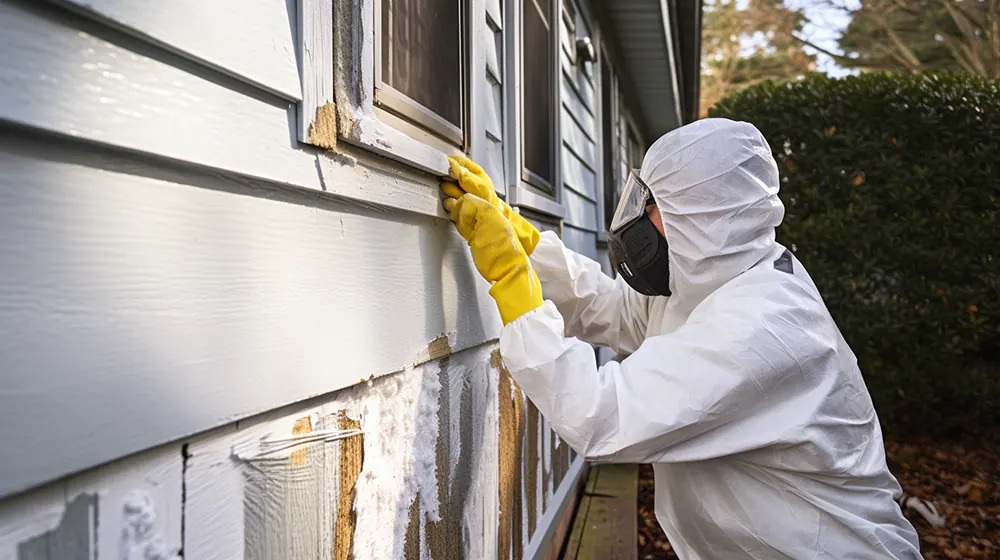
Many older homes still contain materials that were once considered durable and cost-effective but are now known to pose health risks. One such material is asbestos siding. While it may appear stable on the surface, damage or deterioration can lead to serious concerns. Understanding when and how to approach asbestos siding removal is essential for maintaining a safe living environment. At A-best Abatement, we help homeowners identify risks and take the right steps toward safer homes.
Whether you are planning renovations or simply maintaining an older property, knowing the basics of asbestos siding, its risks, and available solutions can help you make informed decisions. This guide covers everything from identification to removal and replacement options.
Understanding Asbestos Siding and Its Risks
Before deciding on removal, it is important to understand what asbestos siding is and why it can be hazardous. This section explains its composition and potential risks.
Asbestos siding was commonly used in homes built before the 1980s due to its fire resistance and durability. However, when damaged, it can release harmful fibers into the air.
What Is Asbestos Siding
Asbestos siding is typically made from a mixture of cement and asbestos fibers. This combination provided strength and resistance to weather conditions.
You may find it in:
- Exterior wall panels
- Shingles or boards
- Insulated siding systems
While intact siding may not pose an immediate risk, deterioration can change that.
Health Risks of Asbestos Exposure
Exposure to asbestos fibers can lead to serious health issues over time. These risks are often associated with inhaling airborne fibers.
Potential health concerns include:
- Lung irritation and respiratory issues
- Chronic lung diseases
- Increased risk of serious illnesses
Because symptoms may take years to develop, prevention is critical.
Signs You May Need Asbestos Siding Removal
Identifying early warning signs can help prevent exposure and costly damage. This section outlines common indicators.
Visible Damage or Cracking
Damaged siding is one of the most obvious signs that removal may be necessary. Cracks and breaks can release fibers into the environment.
Look for:
- Chipped or broken panels
- Cracks in siding boards
- Surface deterioration
These signs indicate that the material may no longer be stable.
Aging Materials
Over time, asbestos siding can weaken due to environmental exposure. Aging materials are more likely to deteriorate and release fibers.
Common indicators include:
- Fading or discoloration
- Brittle or fragile panels
- Warping or separation
Older siding should be evaluated regularly to ensure safety.
Renovation or Construction Plans
Planning a renovation is a key reason to consider asbestos removal. Disturbing siding during construction can release hazardous fibers.
Before starting any project, it is important to:
- Conduct an inspection
- Perform asbestos testing
- Plan for safe handling
This helps prevent accidental exposure during renovations.
Asbestos Siding Removal vs Replacement
Homeowners often wonder whether to remove or replace asbestos siding. This section compares both options.
Removal Process
Asbestos siding removal involves safely removing and disposing of hazardous materials. This process requires specialized equipment and trained professionals.
Key steps include:
- Sealing off the area
- Removing materials carefully
- Disposing of waste according to regulations
This ensures that fibers are not released into the air.
Replacement Options
After removal, homeowners can choose safer, modern materials for siding.
Popular options include:
- Vinyl siding
- Fiber cement boards
- Engineered wood panels
These materials provide durability without health risks.
Cost Comparison and Considerations
Understanding costs helps homeowners plan effectively. The table below highlights key differences.
| Factor | Asbestos Removal | Replacement |
|---|---|---|
| Initial Cost | Moderate to high | Varies by material |
| Safety Level | High when done professionally | Very high |
| Long-Term Value | Improves safety | Enhances property value |
| Maintenance | Reduced after removal | Depends on material |
While removal may require upfront investment, it offers long-term benefits.
The Role of Asbestos Remediation
Asbestos remediation includes all processes aimed at reducing or eliminating asbestos risks. This section explains its importance.
What Is Asbestos Remediation
Asbestos remediation involves managing asbestos materials safely. This may include removal, sealing, or containment.
It focuses on:
- Reducing exposure risks
- Improving safety conditions
- Ensuring compliance with regulations
Not all situations require full removal, but professional evaluation is necessary.
When Remediation Is Recommended
Remediation may be suitable when siding is still intact but shows signs of wear. It can help manage risks without immediate removal.
Situations where remediation is useful include:
- Minor damage
- Limited exposure areas
- Temporary solutions before full replacement
This approach provides flexibility for homeowners.
Why You Should Hire Professional Asbestos Removal Contractors
Handling asbestos requires expertise and proper equipment. This section explains why hiring professionals is essential.
Safety and Compliance
Professional asbestos removal contractors follow strict safety protocols. They ensure that all work meets legal and environmental standards.
This reduces risks and ensures proper handling of hazardous materials.
Specialized Equipment
Professionals use advanced tools to manage asbestos safely. This includes containment systems and protective gear.
Key equipment includes:
- Air filtration systems
- Protective suits and masks
- Sealed disposal containers
These tools help prevent contamination during removal.
Proper Disposal Practices
Asbestos waste must be disposed of according to regulations. Improper disposal can lead to environmental and legal issues.
Professionals ensure that:
- Waste is transported safely
- Disposal follows guidelines
- Contamination is minimized
You can explore services at A-best Abatement, including asbestos removal services and asbestos remediation solutions.
Steps to Take Before Starting Removal
Preparing properly can make the process smoother and safer. This section outlines key steps.
Schedule an Inspection
An inspection helps identify the presence and condition of asbestos siding. This is the first step in planning removal.
Conduct Testing
Testing confirms whether asbestos is present. This ensures accurate decision-making.
Plan the Project
Work with professionals to create a removal plan. This includes timelines, costs, and safety measures.
Maintenance Tips After Replacement
After replacing asbestos siding, proper maintenance ensures long-term performance.
Regular Inspections
Inspect new siding periodically to identify any issues early. This helps maintain durability.
Cleaning and Care
Keep siding clean to preserve its appearance. Use appropriate cleaning methods.
Preventive Measures
Address minor issues quickly to avoid larger problems. This helps extend the lifespan of the siding.
Common Mistakes to Avoid
Attempting DIY Removal
Removing asbestos without proper training is dangerous and not recommended.
Ignoring Early Signs
Delaying action can lead to increased risks and higher costs.
Choosing Unqualified Contractors
Working with experienced professionals ensures better results and safety.
Conclusion
Understanding the risks and signs associated with asbestos siding is essential for protecting your home and health. From visible damage to renovation plans, several factors may indicate the need for asbestos siding removal. Taking timely action ensures that potential hazards are managed safely and effectively. At A-best Abatement, we emphasize the importance of professional handling, proper planning, and informed decision-making. Whether you choose removal or asbestos siding replacement, prioritizing safety will always lead to better long-term outcomes.
Contact Us
If you need help with inspection, remediation, or removal, visit our Contact Us page to get started.
Frequently Asked Questions
It is the process of safely removing siding materials that contain asbestos.
It can be hazardous if damaged or disturbed, as it releases harmful fibers.
Yes, it can be replaced with safer modern materials.
Costs vary depending on the size and condition of the siding.
Professionals ensure safe handling, proper disposal, and compliance with regulations.