Mold Removal vs. Mold Remediation: Which Service Does Your Property Need?
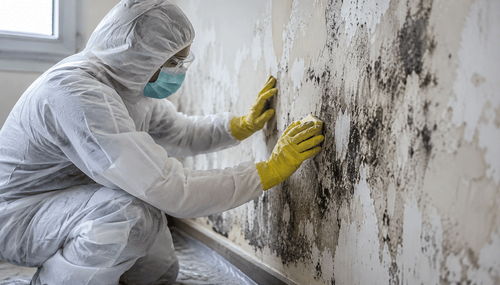
If mold is only visible on a small surface and there is no underlying moisture problem, mold removal may be enough. However, if mold has spread, returned multiple times, or was caused by water damage, leaks, flooding, or high humidity, mold remediation is the better choice because it addresses both the mold and the source of the problem. In most cases, professional remediation provides a more complete and long-lasting solution.
A-Best Abatement has been serving residential, commercial, and industrial clients since 1989 and specializes in environmental hazard removal, including mold remediation services. The company focuses on identifying the source of mold growth, containing affected areas, treating contamination, and helping prevent future mold problems.
Key Takeaways
- Mold removal focuses on removing visible mold from affected surfaces.
- Mold remediation includes inspection, containment, cleaning, and prevention.
- Professional services help reduce health risks and property damage.
- Quick action limits mold growth and lowers repair costs.
- Choosing experienced specialists ensures a safer and longer-lasting solution.
Why Understanding Mold Removal Matters
Many people believe that cleaning visible mold solves the entire problem. In reality, mold often grows behind walls, under flooring, or inside ventilation systems. If hidden mold remains, it can continue spreading even after the visible spots disappear. Knowing the difference between simple cleaning and a complete solution helps property owners make informed decisions.
A few reasons why this matters include:
- Better protection for your property’s structure.
- Reduced risk of recurring mold growth.
- Improved indoor air quality.
- Lower long-term repair costs.
What Is Mold Removal?
Mold removal refers to the process of eliminating visible mold from affected surfaces. Professionals use specialized equipment and approved cleaning products to remove mold safely while limiting the spread of spores. However, because mold spores naturally exist in the air, complete removal of every spore is impossible. During restoration projects involving older homes, contractors may also assess materials for asbestos siding removal if asbestos-containing siding is present and has been damaged or disturbed. This helps ensure the property is restored safely and in compliance with environmental regulations.
Professional mold cleaning service providers typically focus on:
- Removing visible mold colonies.
- Cleaning contaminated materials.
- Sanitizing affected areas.
- Reducing airborne mold spores.
Although this process improves the appearance of the affected area, it may not address the moisture issue that caused mold to grow in the first place.
What Is Mold Remediation?
While mold removal focuses on visible growth, mold remediation takes a broader approach. It identifies the moisture source, contains contaminated areas, removes damaged materials when necessary, and restores safe indoor conditions. During inspections of older properties, professionals may also identify other environmental hazards, such as the need for removing asbestos from your home, before restoration work can safely continue.
A complete mold remediation plan usually includes:
- Detailed property inspection.
- Moisture detection.
- Containment barriers.
- Air filtration.
- Safe cleaning procedures.
- Moisture control recommendations.
The goal is not only to clean mold but also to reduce the chance of future growth.
The Typical Mold Removal Process
The mold removal process follows several important steps to protect both the property and its occupants. Every project may differ depending on the size of the affected area, but professionals generally follow industry best practices to complete the work safely.
Most projects include:
- Inspecting the affected area.
- Isolating contaminated spaces.
- Removing visible mold.
- Cleaning nearby surfaces.
- Drying the area completely.
- Performing a final inspection.
Following a structured process helps ensure mold does not spread during cleanup.
Key Differences Between Mold Removal and Mold Remediation
Although the two terms are often used together, they describe different services. Understanding these differences helps property owners select the right solution for their specific situation.
| Mold Removal | Mold Remediation |
| Removes visible mold | Addresses the root cause |
| Focuses on cleaning | Includes inspection and prevention |
| Usually treats affected surfaces | May involve repairs and restoration |
| Short-term solution | Long-term solution |
| Limited scope | Comprehensive approach |
For many homes and businesses, remediation provides greater long-term protection because it addresses both mold growth and moisture problems.
When Do You Need Professional Mold Removal?
Small spots of mold may seem easy to clean, but larger infestations often require expert help. Hidden mold can spread quickly through drywall, insulation, wood, and HVAC systems. Attempting to remove extensive mold without proper equipment may release spores into the air and increase contamination.
You should consider professional mold removal if you notice:
- Mold covering large areas.
- Persistent musty odors.
- Water damage after flooding.
- Mold inside walls or ceilings.
- Health symptoms that worsen indoors.
Professional technicians use protective equipment and specialized tools to complete the work safely.
Signs Your Property May Need Mold Restoration
Sometimes mold removal involves more than simply cleaning surface stains. Long-term moisture can weaken drywall, flooring, insulation, and wooden structures. After mold removal, damaged building materials may need replacement to restore the property safely and help prevent future mold growth.
Common warning signs include:
- Soft or warped walls.
- Bubbling paint.
- Cracked drywall.
- Damaged flooring.
- Wood rot near leaks.
In these situations, mold restoration helps return the property to its original condition while preventing future issues.
How Mold Damage Repair Protects Your Property
After mold removal has been completed, repairs are often necessary to restore affected areas. Water damage can weaken structural materials and reduce the lifespan of your property if left untreated. Repairing damaged sections also helps prevent moisture from becoming trapped inside walls or floors. In older buildings, restoration professionals may also check for lead-based paint before beginning repairs, as disturbing painted surfaces during reconstruction can create additional health and safety concerns.
Mold damage repair may involve:
- Replacing drywall.
- Repairing flooring.
- Restoring insulation.
- Fixing damaged wood.
- Sealing moisture entry points.
These repairs improve both the safety and value of your property while reducing the chance of future mold growth.
Why Hiring Mold Specialists Is the Best Choice
While DIY cleaning may seem like a quick solution, it often fails to solve the real problem. Mold specialists have the training, equipment, and experience to locate hidden mold, identify moisture sources, and complete the work safely. They also follow industry guidelines to reduce the risk of cross-contamination during the cleanup process.
Professional experts typically provide:
- Detailed property inspections.
- Moisture detection using advanced tools.
- Safe containment methods.
- Air filtration with HEPA equipment.
- Long-term prevention recommendations.
Choosing the Right Mold Cleaning Service
Not every company offers the same level of expertise. Once mold is discovered, choosing a trusted mold cleaning service helps ensure the problem is handled correctly from start to finish. Experienced professionals explain their process, answer your questions, and provide clear recommendations based on your property’s condition. Working with the right team ensures the mold is treated safely while helping reduce the risk of future growth. When selecting a company, look for:
- Licensed and insured technicians.
- Positive customer reviews.
- Experience with residential and commercial properties.
- Clear estimates with no hidden charges.
- Modern equipment and proven cleaning methods.
DIY vs. Professional Mold Removal
Many homeowners try to clean mold with household products. While this may work for very small surface spots, it usually does not solve hidden moisture issues. In addition, disturbing mold without proper protection can spread spores throughout the property.
| DIY Cleaning | Professional Mold Removal |
| Suitable for very small areas | Best for moderate to severe mold growth |
| Limited equipment | Commercial-grade equipment |
| May miss hidden mold | Thorough inspection included |
| Higher chance of mold returning | Long-term prevention strategies |
| Greater health risks | Safe containment and cleanup |
For larger infestations or recurring mold problems, hiring professionals is often the safer and more cost-effective solution.
How to Prevent Mold from Returning
Once the cleanup is complete, preventing future mold growth should become a priority. Mold needs moisture to grow, so controlling humidity and fixing water issues quickly can greatly reduce the risk of another infestation. During restoration of older properties, professionals may also recommend professional asbestos removal if hazardous asbestos-containing materials are discovered before repair work begins. This helps ensure the property is restored safely while meeting environmental and health standards.
Simple prevention steps include:
- Repair plumbing leaks immediately.
- Keep indoor humidity below 50%.
- Improve ventilation in kitchens and bathrooms.
- Dry wet materials within 24 to 48 hours.
- Schedule regular property inspections.
These habits help create a healthier indoor environment and protect your investment.
Factors That Affect the Cost of Mold Services
The cost of mold removal or mold remediation depends on several factors. Every property is different, so prices vary based on the size of the affected area and the amount of damage present. A professional inspection provides the most accurate estimate.
Common cost factors include:
- Size of the affected area.
- Location of mold growth.
- Type of building materials involved.
- Amount of water damage.
- Repairs needed after cleanup.
Investing in professional services early can often prevent more expensive structural repairs later.
Why Fast Action Makes a Difference
Mold spreads quickly when moisture remains untreated. Delaying cleanup allows spores to move into nearby materials, increasing both repair costs and health concerns. Acting as soon as you notice signs of mold helps protect your family, employees, and property.
Early action can:
- Reduce repair expenses.
- Protect structural materials.
- Improve indoor air quality.
- Minimize disruption to your home or business.
- Prevent mold from spreading further.
Conclusion
Choosing between mold removal and mold remediation depends on the condition of your property and the extent of the mold problem. While removing visible mold is important, solving the moisture issue is the key to preventing future growth. Working with experienced professionals ensures your property is cleaned, repaired, and protected using proven methods.
Some restoration projects may also uncover other environmental concerns. If inspections reveal hazardous materials, professional asbestos removal may be recommended before restoration work begins. This is especially important when removing asbestos from your home during older property renovations.
If you need expert mold removal, mold remediation, or restoration services, contact A-Best Abatement today to schedule a professional inspection and protect your property with reliable, long-lasting solutions.
Frequently Asked Questions
No. Mold removal focuses on removing visible mold, while mold remediation addresses the source of moisture, contains contamination, and helps prevent mold from returning.
Most projects take one to several days, depending on the size of the affected area, moisture levels, and the repairs required after cleanup.
Yes. Mold can return if moisture problems are not fixed. That is why mold remediation includes identifying and correcting the conditions that allow mold to grow.
Not always. If mold has damaged drywall, insulation, flooring, or wood, repairs may be necessary to restore the property safely.
Yes. Mold releases tiny spores into the air that may affect indoor air quality and trigger allergies or respiratory irritation in some individuals.