Demolition and Asbestos Removal: A Practical Guide to Planning a Safe Project
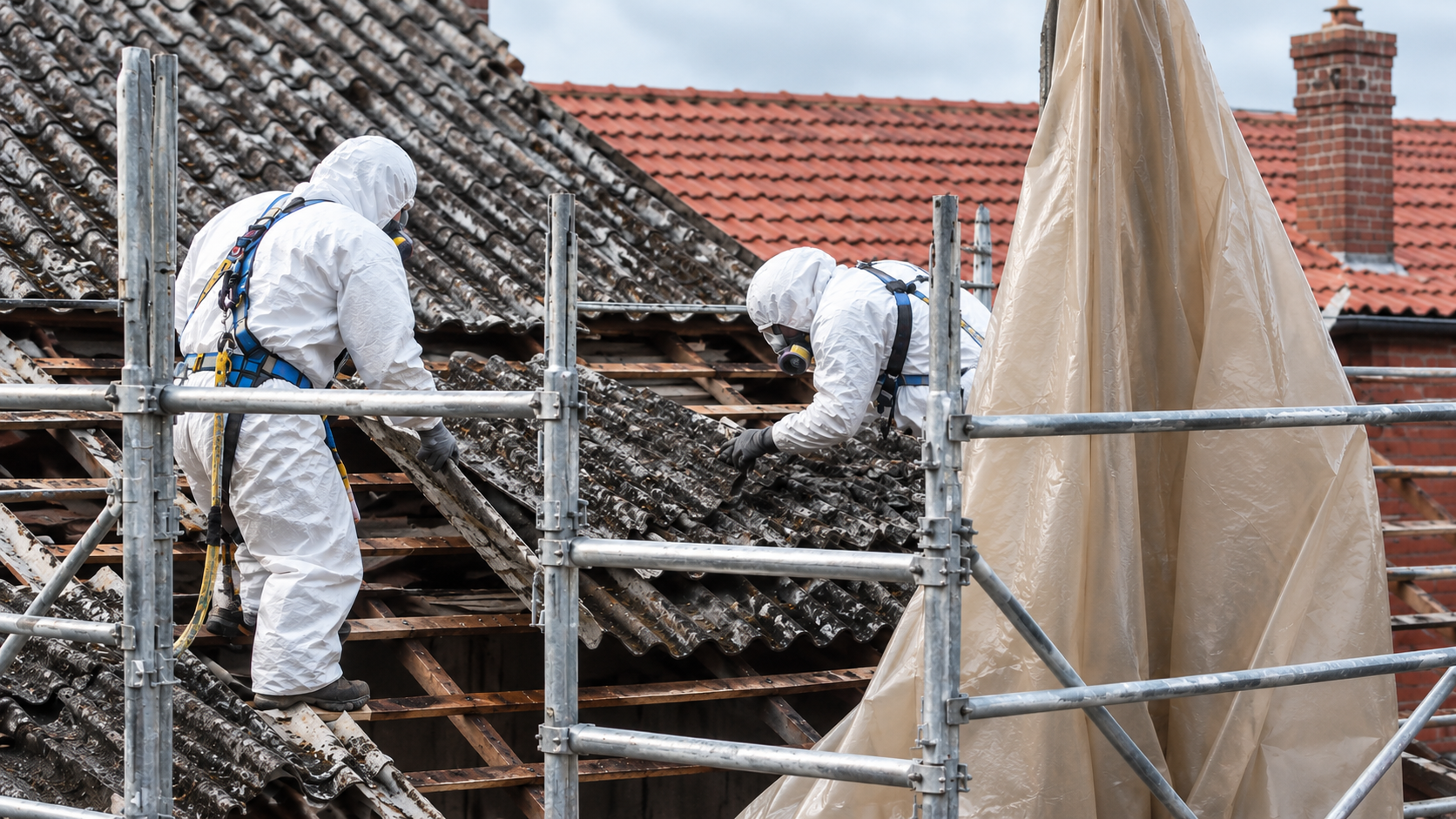
Demolition and asbestos removal require careful planning before work begins. Older homes, commercial buildings, and industrial properties may contain asbestos-containing materials that can be disturbed during demolition. A-Best Abatement helps property owners and project teams identify potential risks before walls, ceilings, floors, insulation, or other materials are removed. Planning early can reduce delays and support a safer project.
Key Takeaways
Demolition can uncover materials that are difficult to identify by appearance alone. A planned approach helps project teams understand what needs assessment before work begins and organize removal, demolition, cleanup, and waste handling.
- Check older buildings for possible asbestos before demolition.
- Arrange a pre-demolition asbestos survey when needed.
- Do not disturb suspect asbestos-containing materials without proper assessment.
- Use qualified professionals for asbestos removal and abatement.
- Plan cleanup and asbestos disposal before demolition starts.
Why Demolition and Asbestos Removal Need to Be Planned Together
Demolition can disturb many building materials at once. Full or partial demolition may expose hidden insulation, flooring, wall systems, roofing products, adhesives, and other components. If asbestos is present, uncontrolled disturbance can spread fibers and create additional work. Planning demolition and asbestos removal together allows the project team to address known hazards before demolition begins.
Early planning can help identify hazards, reduce work stoppages, protect workers and occupants, separate abatement from demolition, and organize cleanup.
What Does Demolition Involving Asbestos Mean?
Asbestos demolition refers to demolition work involving a building or structure where asbestos may be present. The concern is not limited to visible materials. Asbestos may be hidden behind walls, above ceilings, under flooring, around pipes, or inside mechanical systems. The approach depends on the property, materials, project scope, and areas affected by the planned work.
Before demolition, consider the building’s age, renovation history, materials that will be disturbed, occupied areas, and the planned demolition method. Reviewing these factors early can prevent problems after work starts.
When Should You Arrange a Pre-Demolition Asbestos Survey?
A pre-demolition asbestos survey can help identify suspect materials before demolition activities disturb them. This step is especially useful for older properties or buildings with limited records about construction and renovation. The survey should focus on areas affected by the project.
A survey may help locate suspect materials, identify areas needing testing, understand material condition, plan removal, and reduce delays. Planning prevents crews from discovering hazards only after work begins.
What Does an Asbestos Inspection Involve?
An asbestos inspection involves reviewing areas where asbestos may be present and determining which materials could be affected by planned work. A qualified professional can assess suspect materials and determine whether sampling may be needed. The inspection should connect directly to the demolition plan so relevant areas are not overlooked.
The process may include reviewing building information, identifying suspect materials, assessing their condition, selecting samples when appropriate, and documenting affected areas. Appearance alone should not determine whether a material contains asbestos.
Which Asbestos-Containing Materials Can Be Found During Demolition?
Asbestos-containing materials may occur throughout older buildings. Some are visible, while others are hidden within building systems. Flooring, insulation, ceilings, walls, roofing, siding, pipes, and adhesives may require attention during demolition.
Common examples include floor tiles and sheet flooring, pipe and boiler insulation, ceiling tiles and textured finishes, roofing and siding products, HVAC duct insulation, wall and ceiling materials, and adhesives or mastics.
How Can Vermiculite Insulation Affect Demolition Projects?
Vermiculite insulation can be found in older attics and other building areas. Some vermiculite insulation may be associated with asbestos, so demolition or renovation work involving this material should be assessed carefully. Avoid disturbing loose-fill insulation simply to determine what it contains. Professional assessment can determine the next step safely.
If vermiculite insulation is present, keep it undisturbed until it has been assessed. Identify affected areas, plan appropriate controls, and use qualified professionals if removal is required. Vermiculite Asbestos Removal should be treated as planned work.
How Does Asbestos Abatement Fit Into a Demolition Project?
Asbestos abatement is the controlled management, removal, or treatment of asbestos-containing materials. In a demolition project, abatement may need to occur before general demolition in affected areas. The exact work depends on the material, its condition, the project scope, and applicable requirements.
A professional abatement plan may address work-area controls, material removal, worker protection, dust control, cleaning, and waste packaging. Planning these steps first keeps asbestos work separate from general construction activity.
Why Should Abatement Happen Before General Demolition?
Removing or managing asbestos before general demolition can help prevent unnecessary disturbance of suspect materials. Once uncontrolled demolition begins, materials can break apart quickly and become harder to isolate. Separating asbestos work from general demolition gives the project team a clearer sequence and can reduce the chance of spreading contaminated dust or debris.
This approach can help teams complete asbestos work first, separate unaffected areas, reduce disturbance, coordinate crews, and prepare the site for later construction.
What Are Safe Demolition Practices Around Asbestos?
Safe demolition practices begin before tools and equipment enter the work area. The project team should understand what materials are present, which areas will be affected, and what controls are required. Demolition should not begin simply because a building looks clear. Hidden materials can create hazards when walls, floors, ceilings, and mechanical systems are opened.
Planning should address site access, restricted areas, material identification, work sequencing, dust control, worker protection, cleanup, and waste handling. Clear planning helps crews understand their responsibilities.
How Should Commercial Asbestos Removal Be Managed?
Commercial asbestos removal can involve larger buildings, multiple work areas, occupied spaces, complex mechanical systems, and tight schedules. Commercial projects therefore require close coordination between the property owner, contractor, demolition crew, environmental professionals, and other stakeholders.
A commercial plan may consider building access, work-area separation, scheduling, material quantities, waste transportation, cleaning, and documentation. Early coordination can prevent conflicts with other construction work.
When Should Property Owners Hire an Asbestos Abatement Professional?
An asbestos abatement professional can help property owners understand what needs to happen before affected materials are disturbed. Professional support is especially important when suspect materials are damaged, demolition affects older building components, or the project involves large or complex areas.
Professional assistance may be appropriate when asbestos is confirmed or suspected, demolition will disturb older materials, insulation or flooring must be removed, or controlled removal is needed. Property owners searching for “abatement contractors near me” should compare providers experience and proposed work practices.
Can Interior Demolition Contractors Handle Asbestos?
Property owners often search for residential interior demolition contractors when planning renovations. However, general demolition work and asbestos abatement are not automatically the same service. If asbestos-containing materials may be disturbed, the project should be assessed before demolition begins.
Similarly, interior demolition companies should understand where their demolition scope ends and where specialized asbestos work is required. Coordinating services early can prevent delays. Before hiring, ask who will assess materials, whether asbestos work comes first, who handles cleanup, and how waste will be managed.
What Happens to Asbestos Waste?
Asbestos disposal is an important part of the project plan. Removed asbestos materials should not simply be placed with ordinary construction debris. Waste handling should follow applicable requirements for packaging, transportation, and disposal. Planning this step before removal helps prevent waste from becoming an afterthought.
The team should establish how waste will be packaged, stored, transported, and disposed of, along with what documentation will be retained. Clear planning helps organize final cleanup.
How Can You Plan a Safer Demolition Project?
A safer project starts with information. Property owners should gather building records, understand the demolition scope, and identify affected materials. Contractors should know which areas require controls. When asbestos is suspected, work should follow the assessment and required removal.
A practical planning sequence includes:
- Review the building and demolition scope.
- Identify suspect materials.
- Arrange inspection and testing when needed.
- Plan asbestos abatement before affected demolition.
- Coordinate demolition and environmental contractors.
- Plan cleanup and disposal.
- Document completed work.
This sequence can keep the project organized and reduce surprises.
Why Experience Matters in Demolition and Asbestos Removal
Experience matters because asbestos projects can involve inspection, sampling, containment, removal, cleaning, waste handling, and demolition coordination. Each stage must fit the project schedule. Relevant experience can make communication and planning easier.
When comparing providers, consider asbestos experience, demolition experience, training, clear work procedures, waste handling, and communication. A provider familiar with both services can keep responsibilities clear from planning through cleanup.
Final Thoughts
Demolition and asbestos removal should be planned as connected parts of a construction project when asbestos may be present. Identifying suspect materials before demolition can help property owners and contractors avoid unexpected exposure concerns, work stoppages, and unnecessary disruption. A careful process includes inspection, testing when needed, professional abatement, controlled demolition, cleanup, and proper waste handling.
The right approach depends on the property, materials, project scope, and applicable requirements. General demolition crews should not assume suspect materials are safe because they look intact. Early assessment gives the team a better basis for planning. Planning a demolition project where asbestos may be present? Contact A-Best Abatement to discuss your inspection, abatement, and removal needs.
Frequently Asked Questions
Asbestos should be assessed before demolition begins, especially in older buildings or areas with unknown renovation histories.
If asbestos-containing materials may be disturbed, the project should be properly assessed and planned before demolition starts.
Flooring, insulation, roofing, siding, ceiling materials, pipes, adhesives, and some HVAC components may contain asbestos.
Yes. Asbestos removal requires specialized planning, controls, handling, cleanup, and disposal that general demolition does not automatically include.
Start with an inspection, identify suspect materials, plan necessary abatement, coordinate contractors, and arrange proper waste handling before work begins.