Home Asbestos Removal: What Homeowners Need to Know Before Starting
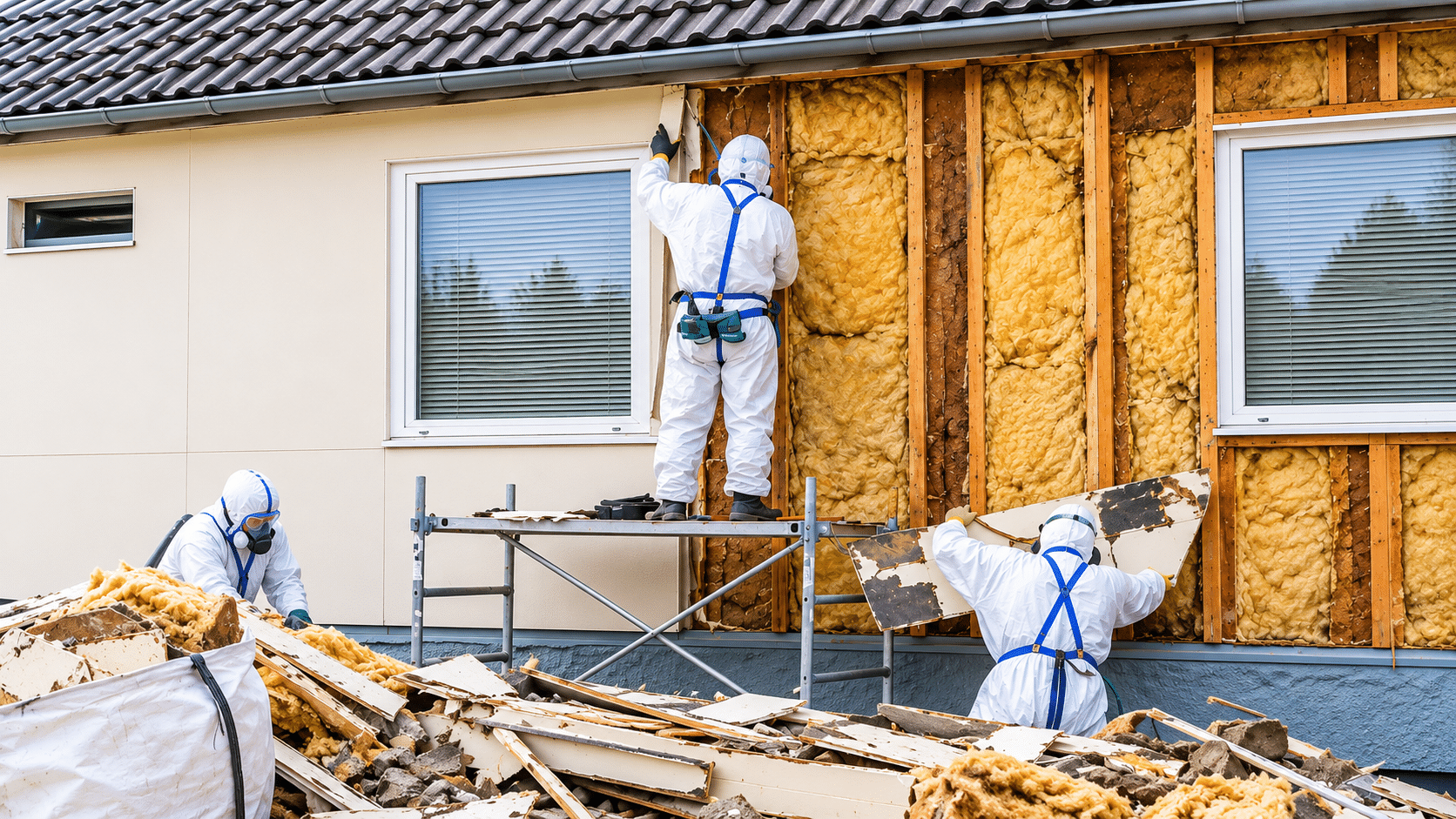
Home asbestos removal requires careful planning and should not be treated as a routine DIY repair. Older homes may contain asbestos in flooring, insulation, roofing, ceilings, walls, and other building materials. When these materials are damaged or disturbed during repairs or renovations, they may release asbestos fibers into the air. Homeowners should identify potential asbestos concerns before work begins and seek professional guidance when suspect materials may be affected.
A-Best Abatement provides asbestos services for residential and commercial properties, helping property owners address asbestos concerns through professional assessment, removal, and abatement solutions.
Why Is Asbestos a Concern in Older Homes?
Asbestos was valued for strength, heat resistance, and insulation properties, so it was used in many construction products for decades. Its presence does not automatically mean a material has to be removed. The material’s condition and the planned work both matter.
An intact product that will remain in place may be managed differently from one that needs to be cut, drilled, sanded, or removed. Renovation can turn an undisturbed material into a concern because construction activities may damage it.
Potential asbestos-containing materials include:
- Vinyl floor tiles and flooring materials
- Pipe and boiler insulation
- Textured ceilings
- Plaster walls and ceilings
- Roofing and siding
- HVAC duct insulation
- Window glazing and caulking
- Adhesives and mastics
If you are unsure about an older material, do not disturb it simply to find out what is underneath. Professional assessment is a safer starting point.
What Is an Asbestos Inspection?
An asbestos inspection assesses areas where suspect materials may be present and helps determine what materials could be affected by planned repairs or renovation. For homeowners looking for asbestos removal in Salem MA, a professional inspection can be an important first step. A trained professional can review the property, identify suspect materials, check their condition, and determine whether sampling may be appropriate.
An inspection is useful before work involving walls, flooring, ceilings, insulation, or older building systems. Finding potential asbestos before demolition gives homeowners and contractors time to plan the work properly.
An inspection may include:
- Reviewing the home’s age and construction history
- Identifying suspect building materials
- Checking damaged or deteriorating areas
- Determining whether samples are needed
- Identifying materials that renovation may disturb
When Should You Consider Asbestos Testing?
Asbestos testing may be appropriate when a suspect material could be disturbed during renovation, repair, or removal. Appearance alone cannot confirm asbestos. When sampling is required, a qualified professional can collect material for analysis by an appropriate laboratory.
Homeowners should avoid taking samples themselves. Cutting or breaking a suspect product can disturb fibers and create an avoidable exposure risk. Professional sampling also helps ensure the material tested is relevant to the planned work.
Testing may be worth considering when:
- You are planning a major renovation.
- Older flooring will be removed.
- Walls or ceilings will be opened.
- Insulation may be disturbed.
- Damaged materials require repair or removal.
- A contractor discovers an unknown material.
What Materials May Contain Asbestos?
Asbestos-containing materials can occur throughout an older property. Common examples include floor and ceiling tiles, insulation, roofing products, siding, pipe coverings, wall and ceiling materials, adhesives, and mastics.
Condition matters. An intact product that will remain undisturbed may not require the same approach as damaged material or a product renovation workers need to remove. Decisions should therefore be based on assessment rather than assumptions. If a material is suspected of containing asbestos, do not sand, scrape, drill, cut, or break it just to identify it. Leave it alone and arrange an assessment when necessary.
How Does Home Asbestos Removal Work?
Professional home asbestos removal is planned around the type of material, its location, condition, and project size. The work should limit the spread of dust and debris outside the controlled area.
A project may begin with an assessment of affected materials and a review of the work required. The contractor can then establish controls, prepare the area, handle material carefully, complete removal or treatment, clean the area, and arrange waste handling.
Depending on the project, the process may include:
- Assessing affected materials
- Establishing work-area controls
- Using appropriate protective equipment
- Removing or treating affected materials
- Cleaning the work area
- Packaging and disposing of waste correctly
Exact procedures vary according to the material, property, project scope, and applicable requirements.
How Can Homeowners Avoid Disturbing Asbestos?
The simplest precaution is to leave suspect materials alone until assessed. Do not drill, sand, scrape, cut, break, or remove an unknown older material just to see what is behind it. If damaged material is already present, limit access and avoid activities that create dust. Keep children, pets, visitors, and unnecessary workers away until the situation has been assessed.
Homeowners should:
- Avoid DIY removal of suspect materials.
- Do not sweep or vacuum suspected asbestos debris.
- Do not sand or scrape suspect flooring.
- Limit access to damaged areas.
- Contact a qualified asbestos professional.
What Happens to Asbestos Waste?
Asbestos waste should not be treated like ordinary household construction debris. It needs to be handled, packaged, transported, and disposed of according to applicable requirements.
A professional contractor should have a waste-handling plan before removal begins. Cleanup also matters because debris or dust should not be carried from the work area into other parts of the home.
Ask contractors about:
- Waste packaging procedures
- Transportation requirements
- Disposal arrangements
- Cleanup procedures
- Required documentation
Clear answers can help homeowners understand how the project will be managed from removal through final cleanup.
How Can You Plan a Safer Home Renovation?
Planning ahead can make an asbestos-related renovation easier to manage. If your home is older and work will disturb walls, floors, ceilings, insulation, or other materials, address potential asbestos concerns before demolition.
Do not wait until workers uncover a suspect material. Early assessment can help prevent delays and reduce the chance that workers accidentally disturb asbestos during construction. A practical plan should include identifying affected materials, arranging an inspection when needed, completing testing before disturbance, choosing qualified professionals, and planning removal, cleanup, and waste handling before construction starts.
When Should You Hire Asbestos Removal Services?
Professional asbestos removal services may be appropriate when materials are damaged, renovation will disturb them, or controlled removal is required. Professional support can also help homeowners understand inspection, testing, removal, cleanup, and disposal.
Trying to handle asbestos without suitable knowledge, equipment, and controls can create unnecessary risks. A qualified contractor can assess the project and explain the appropriate approach based on the material and planned work.
Professional help may be especially useful when:
- Suspect materials are damaged.
- A renovation will disturb older materials.
- Large areas require removal.
- Insulation or flooring must be removed.
- You are unsure how to manage the material.
What Does Safe Asbestos Removal Involve?
Safe asbestos removal involves more than taking material out of a building. The project should control the work area, reduce dust and debris, protect surrounding spaces, and complete cleanup properly. Important parts can include containing the work area, limiting unnecessary access, handling materials carefully, preventing dust from spreading, cleaning affected areas thoroughly, and disposing of waste correctly.
Homeowners should not treat asbestos removal like an ordinary weekend renovation. Professional contractors can use procedures suited to asbestos work and the requirements of the project.
A-Best Abatement for Home Asbestos Concerns
A-Best Abatement provides environmental services for residential and commercial properties, including asbestos-related work. For homeowners, professional support can make an unfamiliar process easier to understand. The company can also assist with abatement in construction projects where asbestos-containing materials may be affected by renovation, repair, or other building work.
An asbestos project may involve inspection, sampling, removal, cleanup, and disposal. Having a qualified company involved can help ensure that the work is considered as a complete process rather than a single removal step. A-Best Abatement can help homeowners assess asbestos concerns and determine appropriate next steps for their properties.
Final Thoughts
Homeowners should take potential asbestos seriously when planning work on an older property. You cannot reliably identify asbestos by appearance alone, and disturbing suspect materials can create unnecessary exposure risks. Start with an assessment when needed. If testing confirms asbestos, discuss available options with a qualified professional before renovation begins. Depending on the material, its condition, and planned work, it may be left undisturbed, repaired, enclosed, or removed.
Planning before demolition is a practical way to avoid surprises. If you are concerned about asbestos in your home, speak with a qualified asbestos professional before disturbing older building materials. Planning a renovation or concerned about asbestos in your home? Contact A-Best Abatement to discuss your asbestos inspection and removal needs.
Frequently Asked Questions
No. Asbestos cannot be confirmed by appearance alone. When suspect materials may be disturbed, professional assessment and testing may be needed
Not always. If a material is in good condition and will remain undisturbed, leaving it in place may be appropriate. The right approach depends on the material, its condition, and planned work.
It is better to have sampling handled by a trained professional. Disturbing suspect materials while collecting a sample can release fibers and create unnecessary exposure.
No. However, asbestos was used in many building products for decades, so older homes may contain materials that need assessment before renovation.
Not necessarily. It depends on whether the project will disturb asbestos-containing materials and on applicable requirements. A professional assessment can help determine the appropriate approach.