What Does Remediation Mean in Property Restoration? A Simple Guide
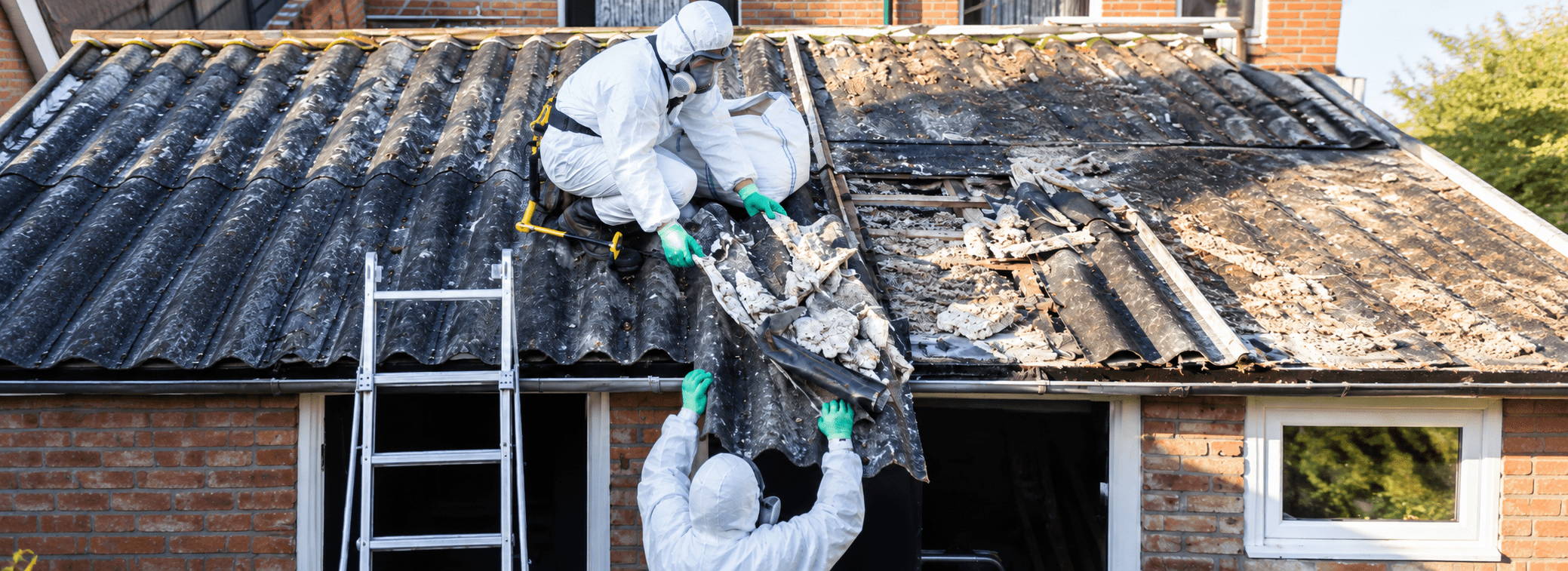
Remediation means finding, controlling, and removing a problem that can make a property unsafe or cause further damage. In property restoration, this may involve mold, water damage, asbestos, smoke, contaminated materials, or other hazards. The goal is not simply to clean a damaged area. It is to address the source of the problem and make the space safer for future restoration and use.
When a property needs professional cleanup, choosing an experienced team can make the process easier and more manageable. A-Best Abatement provides remediation services designed to identify affected areas, control the spread of damage, and address the underlying issue. Whether the concern involves mold, moisture, or hazardous building materials, the right remediation approach can help protect the property and create a safer path toward restoration.
Key Takeaways
Remediation can be part of many different property restoration projects. The exact work depends on the type and level of damage.
- Remediation focuses on controlling and removing a hazard or source of damage.
- Restoration focuses on repairing and returning the property to a usable condition.
- Mold and moisture problems often require careful remediation.
- Hazardous materials may require trained professionals and special safety procedures.
- Good damage mitigation can help prevent minor problem from becoming a larger one.
What Does Remediation Mean?
The word remediation simply means correcting or reducing a problem. In a damaged property, that could mean removing mold, drying areas affected by water, controlling contamination, or safely managing hazardous materials.
The work usually starts with an inspection. Professionals look for the visible problem and try to understand what caused it. This is important because cleaning the surface without fixing the source may only provide a temporary solution.
A typical remediation project may include:
- Identifying the source of the problem
- Containing the affected area
- Removing damaged or contaminated materials
- Cleaning and treating surfaces
- Controlling moisture or other causes
- Checking the area before restoration begins
The exact steps can vary based on the property, material, and type of damage.
How Is Remediation Different from Restoration?
Remediation and restoration are connected, but they are not the same thing. Remediation deals with the problem that created health, safety, or environmental concern. Restoration comes afterward and focuses on repairing the property.
For example, imagine a pipe breaks inside a wall. Water remediation may involve stopping the water, drying the affected space, removing materials that cannot be saved, and preventing mold growth.
Restoration may then involve:
- Replacing drywall
- Repairing flooring
- Repainting walls
- Replacing damaged fixtures
- Restoring the room to its previous condition
Think of remediation as dealing with the problem first, while restoration is rebuilding what was damaged.
What Is the Remediation Process?
The remediation process depends on the type of problem, but most projects follow a logical sequence. Professionals first determine what they are dealing with before deciding how the affected area should be handled.
A basic process may include:
- Inspection: The property is checked for visible and hidden damage.
- Source control: The cause, such as a leak or moisture problem, is addressed.
- Containment: The affected area may be separated to limit the spread of contaminants.
- Removal: Materials that cannot be safely cleaned may need to be removed.
- Cleaning: Surfaces and remaining materials are cleaned using suitable methods.
- Drying and treatment: Moisture is removed and affected areas may receive additional treatment.
- Final check: The area is reviewed before repair and restoration work begins.
Good planning matters because rushing through one step can create problems later.
When Is Mold Remediation Needed?
Mold can grow when moisture remains in a building for too long. Leaks, flooding, condensation, poor ventilation, and damp materials can all create conditions where mold spores can develop.
Small areas of surface mold may sometimes be handled by property owners. Larger areas, repeated growth, hidden mold, or water damage can require professional help.
Common signs that may point to a mold problem include:
- A persistent musty smell
- Visible mold growth
- Previous flooding or water damage
- Repeated moisture around walls or ceilings
- Mold returning after cleaning
- Damp crawl spaces, basements, or attics
Professional mold remediation focuses on more than removing what can be seen. The moisture source also needs attention. Otherwise, mold may return.
What Is Environmental Remediation?
Environmental remediation is a broader term. It refers to work that reduces or removes contamination or environmental hazards from a property or site.
The problem could involve contaminated soil, water, building materials, or indoor spaces. The work required depends on the substance, location, level of contamination, and applicable safety rules.
Environmental cleanup may involve:
- Investigating the affected area
- Identifying the material or contaminant
- Containing the affected zone
- Removing contaminated materials
- Cleaning or treating impacted areas
- Disposing of waste properly
- Confirming that the area is ready for its next use
Because environmental hazards can vary, property owners should avoid assuming that one cleanup method works for every situation.
How Are Hazardous Materials Handled?
Some restoration projects involve materials that should not be disturbed without proper training. Asbestos is one example. Certain older building materials may contain asbestos, and you cannot reliably determine whether a material contains it just by looking at it.
If renovation or repair work could disturb suspected material, testing and professional evaluation may be appropriate.
Hazardous material cleanup may involve:
- Identifying potentially hazardous materials
- Restricting access to affected areas
- Using appropriate protective equipment
- Following required work practices
- Removing or managing materials safely
- Handling waste according to applicable requirements
For projects involving suspected asbestos, the EPA recommends using trained professionals for appropriate inspection and removal work.
What Is Abatement?
Abatement refers to reducing, removing, or controlling a hazard. It is often used when talking about asbestos, lead, mold, or other materials that may create a health or safety concern.
For example, an abatement service may be used when a hazardous material needs to be controlled or removed before other construction work can safely continue.
The important thing is to understand that abatement is not simply another word for ordinary cleaning. It can involve specialized procedures, containment, protective equipment, testing, and waste handling.
The right approach depends on the hazard and the condition of the property.
When Does Construction Involve Remediation?
Construction and renovation projects can uncover problems that were hidden for years. Opening walls, removing flooring, or changing older building materials may reveal moisture damage, mold, asbestos, or other concerns.
Abatement in construction may therefore need to happen before regular renovation work continues. This helps reduce the chance that workers or occupants are exposed to hazardous materials.
Before construction begins, property owners should consider:
- The age and condition of the building
- Previous water damage
- Materials that may contain hazardous substances
- Areas that will be disturbed
- Required inspections or testing
- Local and federal requirements
Planning ahead can prevent unexpected delays and help keep the project safer.
What About Asbestos During Renovation or Demolition?
Asbestos deserves special attention because disturbing asbestos-containing materials can release fibers into the air. The risk can be higher during major renovations or demolition because building materials may be cut, broken, drilled, or removed. Asbestos removal should be handled by appropriately trained professionals when removal is required.
Depending on the project, work may involve:
- Inspection and material assessment
- Sampling when appropriate
- Containment
- Controlled removal
- Proper handling of waste
- Clearance or follow-up procedures
Projects involving demolition and asbestos removal may also be subject to specific federal, state, or local requirements.
Why Professional Damage Mitigation Matters
Damage can spread when it is not addressed quickly. A small leak can affect walls and flooring. Wet materials can create conditions for mold growth. Damaged building material can become a bigger concern when construction work begins.
That is why damage mitigation is an important part of property restoration. The goal is to limit additional damage while the underlying issue is being addressed.
Prompt action can help with:
- Reducing the spread of damage
- Protecting unaffected areas
- Identifying hidden problems
- Limiting material loss
- Preparing the property for restoration
For example, A-Best Abatement works with property owners dealing with mold and other environmental concerns. Its approach includes assessing affected areas and addressing moisture and contamination concerns before restoration moves forward.
How Do You Choose a Remediation Company?
Choosing the right remediation company is important because the work can involve safety concerns, damaged materials, and sometimes hazardous substances.
Do not choose a company based only on price. Ask questions about its experience, process, communication, and the type of problem it handles.
Look for:
- Experience with your type of property damage
- Clear explanations of the recommended work
- Proper training for hazardous materials when needed
- A detailed scope of work
- Safe containment and cleanup practices
- Honest communication throughout the project
A professional should also explain what happens after remediation. You should know when the property can move into the repair or restoration stage.
What Happens After Remediation?
Remediation is not always the last step. Once the source of the problem has been controlled and affected materials have been handled, restoration can begin.
The next stage may include repairs, replacement, cleaning, painting, flooring work, or rebuilding.
Before moving forward, make sure:
- The source of the damage has been corrected.
- Affected materials have been properly handled.
- The area is dry when moisture is involved.
- Remaining surfaces are clean.
- Any required inspections or testing are complete.
- The restoration plan is clear.
This separation between remediation and repair helps make sure that a property is not rebuilt before the underlying problem has been addressed.
How Can Property Owners Prevent Future Problems?
The best remediation project is one that does not need to be repeated. Property owners can reduce future problems by paying attention to moisture, ventilation, building maintenance, and early signs of damage. Simple preventive steps include repairing leaks quickly, keeping gutters and drainage systems clear, checking basements and crawl spaces for moisture, maintaining proper indoor ventilation, watching for water stains, addressing musty odors early, and inspecting areas after flooding or major leaks.
Final Thoughts
So, what does remediation mean in property restoration? In simple terms, it means addressing the source of a problem, controlling the affected area, and removing or treating materials that may create further risk or damage. Need help with mold or environmental cleanup? Contact A-Best Abatement today to learn about your options and schedule an evaluation.
Frequently Asked Questions
Yes. When the source of a problem is addressed early, remediation can help limit further damage. The exact result depends on the type of damage and how long it has been present.
Not always. It depends on the project. If the property contains mold, contamination, or hazardous materials, the underlying issue may need to be addressed before repairs begin.
Some small cleanup jobs may be manageable for homeowners. Larger areas, contaminated water, hidden mold, or hazardous materials can require professional evaluation and specialized procedures.
No. Remediation is usually focused on controlling or removing the specific problem. Restoration only replaces or repairs materials that were damaged or cannot be safely retained.
Moisture is a common cause of repeated building problems. Fixing the source helps prevent conditions that can lead to mold growth and additional material damage.