Types of Mold Found in Homes: Which Ones Are Dangerous?
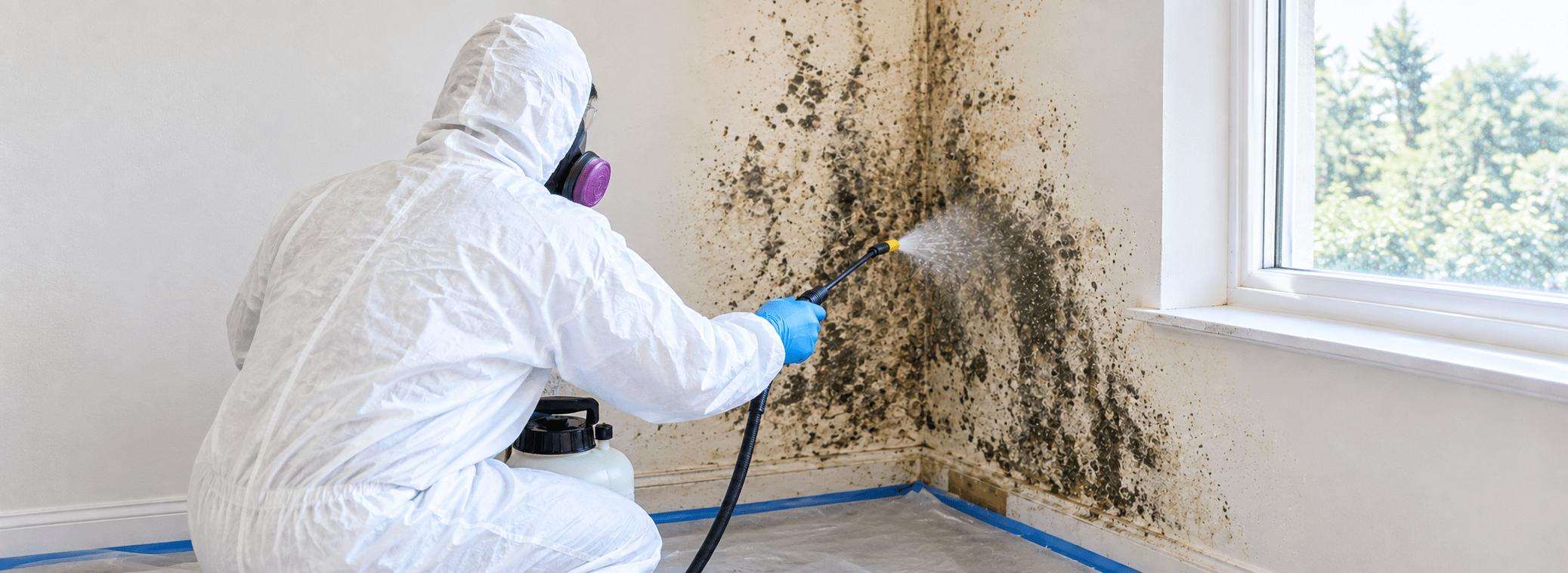
Types of mold can look quite different, but color alone does not determine whether mold is dangerous. Black, white, green, gray, and brown growth can develop when moisture remains trapped inside a home. Knowing how to recognize common household mold, where it can hide, and when to seek professional help can make it easier to protect your property.
Key Takeaways
- Mold needs moisture to grow.
- Black mold is not one specific species.
- White and green mold should not automatically be considered harmless.
- Mold can develop in hidden areas behind walls, floors, and ceilings.
- Health effects can vary from person to person.
- Professional help may be needed for large, recurring, or hidden mold growth.
What Are the Most Common Types of Mold in Homes?
There are many types of mold that can develop indoors. Mold spores are naturally present in the environment, but they can become a problem when they settle on damp materials and have the right conditions to grow. Common household mold may appear on drywall, wood, carpet, insulation, ceilings, furniture, and other surfaces.
Some common forms homeowners may notice include:
- Black mold: Often appears dark green, brown, or black.
- White mold: May look fuzzy, powdery, or chalk-like.
- Green mold: Can range from light green to dark green.
- Brown mold: Often develops on damp wood and other organic materials.
- Gray mold: May appear on walls, fabrics, and other moisture-affected surfaces.
It is important to remember that mold identification cannot always be based on color. Several types can have similar appearances, and the same type may look different depending on the surface and growing conditions.
Black Mold: Is It More Dangerous?
Black mold is one of the biggest concerns for homeowners. However, the term “black mold” does not describe one specific type of mold. Dark-colored growth should not automatically be considered more dangerous simply because of its appearance. Instead, homeowners should pay attention to the size and location of the growth, the moisture source, and whether the mold continues to spread or return.
Dark mold growth deserves attention when it appears after:
- A plumbing or roof leak
- Flooding or water damage
- Long-term humidity
- Condensation
- Poor ventilation
Simply painting over dark growth or wiping it away without fixing the underlying moisture problem may allow it to return. The goal should be to identify and correct the condition that allowed the mold to develop.
Is White Mold Dangerous?
White mold can be concerning because its light appearance may make it harder to recognize. However, white mold should not automatically be considered harmless. Its potential impact depends on the type of mold, where it is growing, and the moisture conditions that are allowing it to develop. White-looking growth may develop on damp wood, drywall, furniture, insulation, and other materials. It can sometimes also be confused with mineral deposits or surface buildup.
If you notice white growth, check the surrounding area for signs of moisture, such as:
- Musty odors
- Water stains
- Condensation
- Leaks
- Damp materials
- Peeling or bubbling paint
If the growth continues to return after cleaning, moisture may be present underneath the surface or inside the affected material.
Green Mold and Other Household Mold
Green mold is another form of household mold that can develop in areas where moisture and suitable materials are present. It may appear on walls, wood, carpet, furniture, and other surfaces. Green color alone does not identify a particular species or indicate exactly how serious the problem is.
Homeowners may also notice:
- Gray patches
- Brown spots
- White fuzzy growth
- Dark stains
- Powdery areas
- Green or blue-green patches
Because appearance can be misleading, homeowners should avoid assuming the exact type of mold based only on its color. The more key factors are where it is growing, how extensive it is, and what is causing the moisture.
Where Does Mold Hide Inside a Home?
Mold is not always visible. Moisture can move behind walls, beneath flooring, inside insulation, around plumbing, under carpets, and into other areas where damp conditions remain.
Usual places to check include:
- Under sinks and around pipes
- Basements
- Attics
- Crawl spaces
- Around windows and doors
- Behind appliances
- Around HVAC equipment
- Under carpets
- Inside walls and ceilings
Mold Behind Walls
Mold behind walls can be especially difficult to detect because the visible surface may look normal. Warning signs can include a musty smell, bubbling paint, discoloration, soft drywall, or recurring moisture. If a wall has been affected by a leak or water damage, mold may continue growing behind the surface even after the visible area appears dry. If you suspect hidden mold, avoid opening walls unnecessarily. A professional assessment can help determine whether the issue is limited to the surface or extends into the wall cavity.
What Health Problems Can Mold Cause?
Mold exposure affects people differently. Some people may not notice any symptoms, while others may experience allergy-like or respiratory reactions.
Possible effects can include:
- Sneezing
- Runny or stuffy nose
- Coughing
- Wheezing
- Itchy or watery eyes
- Throat irritation
- Skin irritation
- Worsening asthma symptoms
People with allergies or asthma may be more sensitive to mold. Large areas of growth should therefore be handled carefully, particularly when extensive cleaning or material removal is required. If you experience persistent or significant symptoms that you believe may be related to mold exposure, speak with a healthcare professional.
Why Moisture Matters More Than Mold Color
The most important factor behind indoor mold growth is moisture. A leak, flooding, condensation, high humidity, or another water problem can create conditions where mold continues to develop.
Common moisture sources include:
- Plumbing leaks
- Roof leaks
- Flooding
- Poor bathroom ventilation
- Condensation
- High indoor humidity
- Wet basements
- HVAC moisture
Cleaning visible mold without addressing the moisture source may only provide a temporary solution. Once the underlying problem is corrected and affected areas are properly addressed, the likelihood of recurring growth can be reduced.
When Should You Call a Professional for Mold?
Not every small area of surface mold requires professional remediation. However, professional help may be appropriate when growth is extensive, keeps returning, appears in hidden areas, or follows significant water damage.
Consider professional mold inspection services when:
- Mold covers a large area.
- Growth continues to return.
- You suspect mold inside walls or ceilings.
- Your property has experienced major water damage.
- Porous materials are heavily affected.
- There is a strong, persistent musty odor.
- You are unsure how extensive the problem is.
A professional can help determine the scope of the problem and recommend whether cleaning, treatment, or material removal is appropriate.
How A-Best Abatement Can Help
When mold becomes difficult to manage on your own, professional assistance can make the process more manageable. A-Best Abatement provides mold remediation services for properties affected by mold and moisture problems. The process begins with understanding the affected area and determining the scope of the issue. Depending on the situation, remediation may involve containment, cleaning, treatment, moisture control, and removal of materials that cannot be effectively restored. The goal is not simply to remove visible mold. Addressing the conditions that allowed the growth to develop is an important part of reducing the possibility of the problem returning.
What Does Professional Mold Remediation Involve?
Professional remediation involves more than wiping visible growth from a surface. The process focuses on identifying the problem, controlling its spread, treating affected areas, and correcting the moisture source.
A typical project may involve:
- Inspection: Locate visible and potential hidden mold.
- Assessment: Determine the extent of the affected area.
- Containment: Help limit the spread of mold spores.
- Treatment: Clean and treat materials that can be appropriately restored.
- Material removal: Remove materials that cannot be effectively cleaned.
- Moisture correction: Address leaks, humidity, or other moisture sources.
- Final cleanup: Prepare the area for restoration and normal use.
The exact approach depends on the location, materials, amount of mold, and underlying moisture conditions.
Can Mold Require Material Removal?
Sometimes surface cleaning is not enough. Porous materials can absorb moisture and may allow mold to grow into areas that cannot be effectively cleaned.
Depending on the extent of the damage, remediation may involve removing:
- Damaged drywall
- Contaminated insulation
- Affected carpet
- Water-damaged materials
- Portions of damaged ceilings
- Other porous materials that cannot be restored
More extensive projects may require interior demolition companies when damaged building materials need to be removed before restoration. If an older property contains materials that may have asbestos, they should not be disturbed casually. Confirmed asbestos-containing materials should be handled by qualified professionals following applicable requirements.
How Can You Prevent Mold from Coming Back?
Preventing mold starts with controlling moisture. While it is impossible to eliminate every mold spore from a home, keeping areas dry can make conditions less suitable for mold growth.
Simple prevention steps include:
- Repair leaks as soon as possible.
- Use bathroom exhaust fans.
- Improve ventilation in damp areas.
- Watch for window condensation.
- Dry wet materials promptly.
- Check basements after heavy rain.
- Keep drainage systems working properly.
- Monitor areas with previous water damage.
Regular attention is especially important after flooding, plumbing leaks, roof problems, or other water-related incidents.
How to Tell If Mold Needs Professional Attention
Not every dark spot indicates a serious mold problem, but repeated growth should not be ignored. A musty smell, visible patches, water damage, and recurring moisture are useful warning signs.
Before deciding how to handle the problem, ask:
- Where is the moisture coming from?
- How large is the affected area?
- Is the material porous?
- Could mold be hidden?
- Has the area been wet before?
- Is the growth returning after cleaning?
- Could disturbing the material make the problem worse?
Answering these questions can help determine whether the issue can be addressed with basic cleaning or requires professional assessment.
Final Thoughts
Understanding the types of mold found in homes can help you recognize potential problems before they become more difficult to manage. Black, white, green, gray, and brown mold can all develop in damp conditions, but color alone does not determine whether a particular growth is dangerous. If you are dealing with visible mold, a persistent musty odor, or suspected mold following water damage, A-Best Abatement can help assess the situation and determine an appropriate remediation approach. Ready to address a mold problem? Contact A-Best Abatement for a professional assessment and take the next step toward resolving the issue.
Frequently Asked Questions
Yes. Hidden leaks, condensation, and excess humidity can create enough moisture for mold to grow even when no obvious water damage is visible.
Recurring mold usually means the underlying moisture issue has not been fully resolved. The source may be a leak, condensation, or poor ventilation.
It can be. A persistent musty smell, especially in an area with previous moisture problems, may indicate mold that is not immediately visible.
Yes. Mold can develop on materials such as drywall, wood, carpet, insulation, and fabrics when they remain damp.
No. Painting over mold does not address the underlying growth or moisture problem. The affected area should be accurately assessed and addressed first.